How to plant lotus? Detailed explanation of planting methods and techniques
How to plant lotus:
1. Flower pot selection
For the flower pot container, choose glazed pots, porcelain pots, purple clay pots, plastic flower pots, etc., with good ornamental appearance and moderate size. The bottom hole of the pot should be sealed tightly with cement and yellow sand. For small ornamental lotus varieties, a pot with a diameter of 26 cm and a height of 20 cm is suitable; for medium ornamental lotus varieties, a flower pot with a diameter of 30 cm and a height of 21-26 cm is suitable; for large lotus, a flower pot with a diameter of more than 36 cm and a height of 30 cm is suitable. Do not choose pots with pointed bottoms. For courtyards or institutional placement, high-grade ceramic pots can be chosen; for ornamental lotus scenic areas or bases, pots, vats and ponds can be used together; for industrialized production of commercial potted lotus, beautiful, lightweight and inexpensive plastic flower pots should be chosen, and the bottom hole should be sealed with cement. For the first cultivation, the pot diameter should be larger to help it produce more flowers.
2. Soil selection
Lotus can grow in loam, sandy loam and clay loam, but humus soil rich in silt and river-pond mud are most suitable. Never use chemically polluted mud, sewage or already polluted soil. The soil pH is 6-8. The optimal pH is 6.5-7.0. The bottom of the pot should preferably have a silt layer of more than 20 cm to facilitate planting. Lotus is not tolerant of heavy fertilizer, so base fertilizer should be applied sparingly; relatively fertile river-pond mud and garden soil do not need additional base fertilizer, to avoid burning the seedlings. If humus soil or river-pond mud is unavailable, you can use garden soil, decomposed human manure and rotted sawdust mixed in a ratio of 5:3:2. Disinfect the prepared nutrient soil with a 0.3% potassium permanganate solution, then seal it with plastic film for 48 hours, spread it out, and sun-dry it for later use.
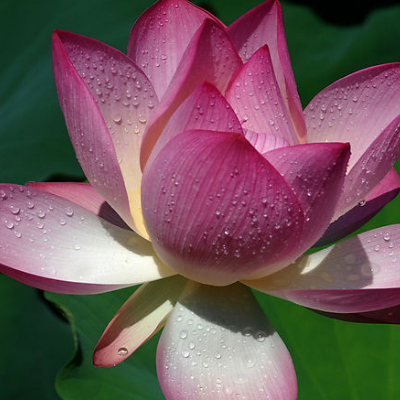
How to plant lotus:
1. Division
It is mainly planted by division propagation. For cold-tolerant seeds, we usually carry out division three to four months before they sprout in early spring; for non-cold-tolerant seeds, which have high requirements for air and water temperature, division should wait until around mid-May.
When dividing, we first need to dig out its rhizomes, select rhizomes with plump new buds, then cut them into sections 8-10 cm long, each section with at least 1 bud, and then plant them. Bury the terminal bud facing upward in the surface soil, with the covering depth such that the plant's bud eye is level with the soil surface, planting 5-7 sections per pot. After planting, expose to a little sunlight before adding shallow water, which helps maintain water temperature, but the water should not be too deep, otherwise germination will be affected.
After the temperature rises, when the new buds sprout, we then deepen the water level and place them in a well-ventilated, sunny place for care. The water depth should be between 20-40 cm. In summer, the water level can be appropriately deepened, and during the high-temperature season, care should be taken to keep the pot water clean. When planting on a small scale, you can take water lilies that have been planted for 2-5 years out of the pot, cut them into 2-4 pieces, and replant them in the pot.
2. Sowing
It can also be planted by sowing propagation. That is, after its flowers bloom, we transfer it into water; before its fruit ripens, we wrap the blooming flowers with a gauze bag, so that after the fruit splits, the seeds fall into the bag. After the seeds are harvested, they still need to be stored in water; if they are stored dry, they will lose the ability to germinate. Sow in March-April. Use fertile clay loam for the pot soil. Do not fill the pot too full; leave 5-6 cm below the pot rim. After sowing the seeds, cover with 1 cm of soil, press firmly and immerse in water, with the water surface 3-4 cm above the pot soil. Cover the pot soil with glass and place in a sunny, warm spot to raise the temperature inside the pot. The sowing temperature should preferably be 25-30°C. They germinate after about half a month, and can bloom in the second year.
Lotus flower meanings:
Lotus: pure white, innocent and holy, loyalty and love, proud and aloof, pure as ice and jade, extraordinarily refined.
Anemone: expectation, a love with no result.
White lotus: remembrance, the joy of love.
Snowdrop: a pure heart.
Ranunculus: condemnation.
Blue lotus: there is a blue lotus on the Tianshan Mountains, called the blue lotus, which can bring the dead back to life.
Red lotus: also called the flower of fathers, representing firmness, bravery, steadfastness and calmness.
Snow lotus: pure charm beyond the mundane.
That is all for the introduction to lotus planting methods and flower meanings. Hurry and plant one to try.
How to plant nasturtium: planting methods and precautions
Nasturtium is beautiful and easy to grow. When it blooms, the flowers are bright and lovely, and the plant is relatively short, suitable for pot cultivation at home, bringing a very good decorative effect to the home. For such a plant with extremely high ornamental value, why not follow the editor to see how it is planted.
How to plant nasturtium
1. Sowing method
First soak the seeds in warm water at 40-45°C for one day. After sowing, maintain a temperature of 18-20°C. When the seedlings are 10 cm tall, transplant the seedlings. After transplanting, they can be planted in open ground or pots in May. When potting, place some horse hoof slices or decomposed fertilizer at the bottom of the pot.
2. Cutting method
This can be done from April to June. Select tender stems as cuttings, each cutting about 10 cm long and with 3-5 buds. Remove the lower leaves, shade after cutting, and keep moist. They will root after two weeks.
Nasturtium planting methods and precautions
Planting methods
1. Soil
Lotus planting has relatively high soil requirements. We need to choose silty loam rich in organic matter. If conditions permit, you can test the pH value; it can be between 5 and 6. At the same time, you can also appropriately add some organic fertilizer as a base.
2. Temperature
Nasturtium plants like to live in low-temperature environments, and more preferably at a temperature of around 10°C to 15°C. In winter, nasturtium plants need to be kept indoors.
3. Watering
Nasturtium likes a high-humidity environment, so be careful to maintain the moisture of the nasturtium and the air humidity. Watering should be appropriate.
4. Fertilizing
Fertilize nasturtium seedlings once every ten days; reduce fertilizing later, and it can be fertilized about once every 20 days. However, note that before the lotus blooms, once every 7 to 10 days is good, so the flowers open more brightly, but excessive fertilizer will burn the seedlings, so pay attention to this.
5. Pruning
Nasturtium can be picked before the flowers open, so the flowers will be more beautiful and open more. At the same time, we also need to use bamboo to build a trellis, so the nasturtium can grow better.
Precautions
1. Nasturtium cultivation prefers a warm, humid, sunny environment, avoids cold (the lowest temperature must not be below 10°C), is slightly tolerant of drought, and has no strict requirements for soil.
2. Propagation is mainly by sowing. In autumn, dry newly collected seeds in a dry, ventilated place and then sow them. You can also select plump, dry seeds in early spring, soak them in warm water at 20 to 30°C for 1 to 2 hours, take them out and sow.
3. Cutting propagation can also be used. In early summer, select robust, well-filled stems, cut cuttings 10 cm-15 cm long, and insert them into a cutting bed of sandy soil or perlite with good water and air permeability. Pay attention to shading and maintaining air humidity. They will root in about 15 days, and once they grow leaves they can be transplanted.
4. After transplanting, the seedlings need to be pinched back several times to prevent the plants from growing leggy. This makes the plant shape full and beautiful. Since nasturtium is a vine plant and relatively easy to shape, it can be trained to an appropriate position for shaping.
5. During the seedling stage, pay attention to applying more phosphorus and potassium fertilizer. During the growing period, there should be sufficient sunlight, and frequent hoeing and weeding to improve soil aeration. During the bud stage, apply thin fertilizer frequently.
How to make nasturtium flower tea
Materials: nasturtium, chrysanthemum, licorice, astragalus, rock sugar
Method:
1. Put the flower tea into a container, pour in boiling water, rinse the flower tea, and pour the water away.
2. Add rock sugar, pour in boiling water again, stir once and it is ready.
Can pregnant women drink nasturtium tea?
Pregnant women can drink nasturtium. Nasturtium is cold in nature, slightly bitter in taste, non-toxic, and enters the heart and liver meridians. From the perspective of medicinal properties, this herb is non-toxic. Women are prone to excessive internal heat and constipation during pregnancy. Appropriately consuming this cold-natured flower tea has the effect of clearing heat and reducing internal heat, and can help pregnant women have a better pregnancy, so it can be consumed with confidence.
It seems that nasturtium is not only ornamental but also edible. It is especially suitable for making flower tea and has a very good beauty and skincare effect. Not only that, it can also be used with confidence by special groups such as pregnant women. It has the effect of clearing heat and reducing internal heat, and can help pregnant women solve the major problem of constipation during pregnancy.