-

Control Methods and Medicinal Benefits of Rust Disease on Iris lactea Flowers
Iris lactea, also known as Chinese iris and iris lactea flower, is a perennial herbaceous plant of the Iridaceae family. Its flowers, seeds and roots are used as medicine. Iris lactea flowers have the effects of clearing heat and cooling blood, and promoting diuresis and reducing swelling. It is distributed throughout the country. So do you know what the control methods for iris lactea flower rust disease are? What are its effects and medicinal value? Control methods for iris lactea flower rust disease
-
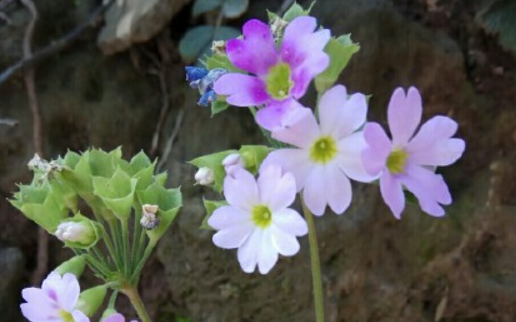
Is the Primula obconica (fairy primrose) poisonous? Detailed explanation of propagation methods and medicinal effects
The fairy primrose and other various primroses are important indoor potted flowers, so is the fairy primrose poisonous? How do you propagate it? What effects and uses does it have? According to information, the flowering room temperature for the fairy primrose is 10-15°C. Unlike other primroses, it does not require low temperatures
-
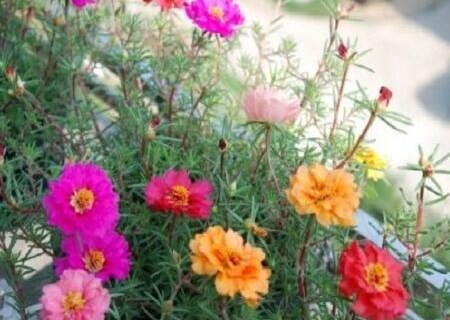
How to Grow Pentapetes phoenicea (Sterculiaceae): Cultivation Methods, Precautions, Flowering, and Medicinal Value
Pentapetes phoenicea flowers are also brightly colored and varied, with a long blooming period. Pentapetes phoenicea is generally used as a garden flower, planted around and inside flower beds, where the colors compete in beauty and look very attractive. So do you know what the cultivation methods and precautions for Pentapetes phoenicea are? How do you grow it so it blooms? What medicinal value does it have?
-
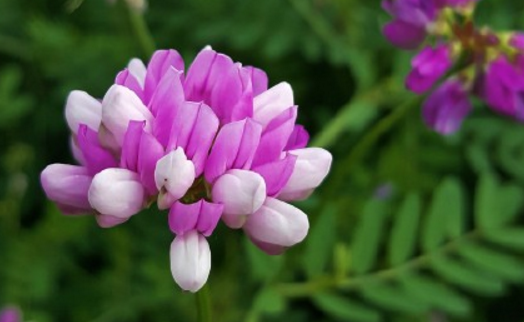
Sowing Methods, Blooming Time, and Benefits of Milk Vetch (Astragalus Tribe) Seeds
Milk vetch, also known as qiaoyao, honghuacao, caOzi, ziyingyingzi, jilizi and so on. So how do you sow milk vetch seeds? When does it bloom? What benefits and effects does it have? According to available information, before sowing milk vetch seeds, you need to choose a sunny midday
-
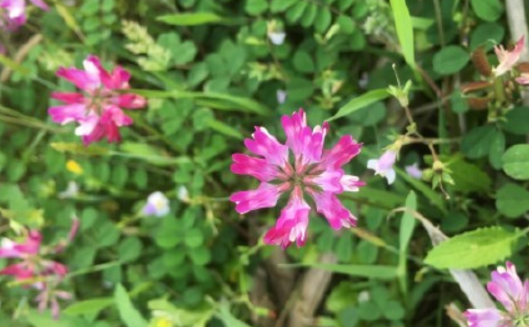
Rosaceae suborder: Milk vetch (Astragalus) toxicity, cultivation methods and precautions, and differences from alfalfa
Milk vetch is a herbaceous plant with pinnately compound leaves that produces flowers, so is milk vetch toxic? What are its cultivation methods and precautions? What is the difference from alfalfa? According to the information, milk vetch prefers a warm and humid growing environment, can tolerate cold, and requires sufficient water during cultivation
-
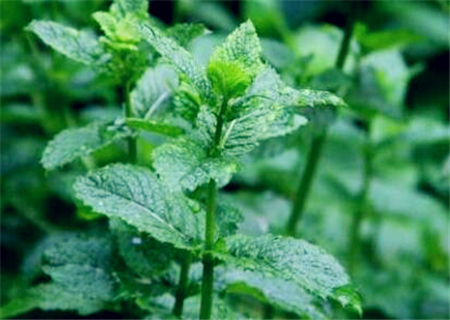
How to grow the commonly used Chinese herb mint? A detailed guide to planting time and methods
Mint is one of the commonly used traditional Chinese medicines. Its folk name is Yindan grass. It is a pungent, cooling diaphoretic and antipyretic medicine, used to treat influenza, headache, red eyes, fever, sore throat, swollen and painful gums, and other conditions. So how do you grow mint? When is the best time to plant it? What are the planting methods?
-
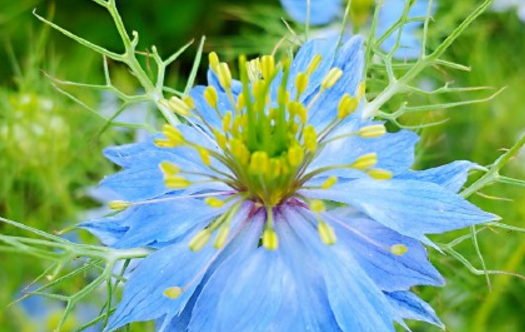
Ranunculaceae Nigella: cultivation and propagation methods, precautions, and main value
Nigella, also known as black seed herb and Siyadan, so what are the cultivation methods and precautions for Nigella? How does it propagate? What are its main values? According to available information, the growth habits of Nigella are quite similar to most plants. It likes an environment with sufficient light and can tolerate cold. When cultivating Nigella,
-
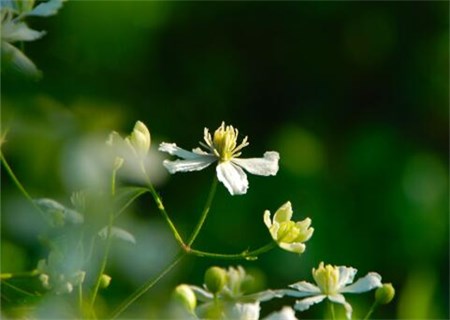
Cultivation methods and infusion benefits of Edgeworthia chrysantha of the Thymelaeaceae family, and is it toxic?
Edgeworthia chrysantha is the flower bud of the plant Edgeworthia chrysantha of the Thymelaeaceae family, a deciduous shrub. Origin: produced south of the Yangtze River basin and in Henan, Shaanxi and other places. Harvested part: flower buds. In late winter and early spring when the flowers open, the inflorescences are picked and sun-dried. So do you know what cultivation methods there are for Edgeworthia chrysantha? What benefits and effects does infusing it in water have? Is it toxic?
-
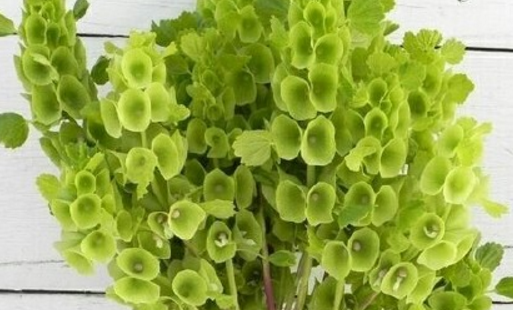
How to grow Moluccella laevis (shell flower) from the Lamiaceae family? Sowing methods, precautions and uses
Moluccella laevis is a herbaceous plant with a relatively tall growth habit, and its most unusual feature is its flowers. So what are the cultivation methods and precautions for Moluccella laevis? How do you sow it? What is it used for? According to available information, Moluccella laevis prefers light and requires relatively warm temperatures, with an ideal growing temperature between 15°C and 25°C.
-
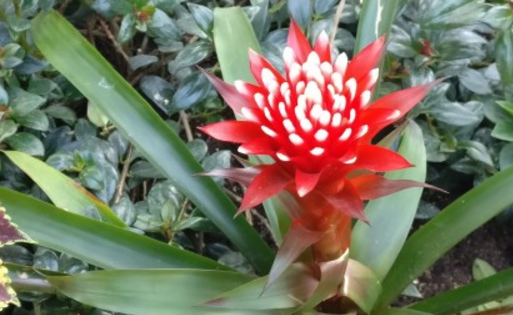
Billbergia nutans in the Pineapple suborder: flowering time, care methods and uses explained
Water tower flower, also called flame bromeliad, Billbergia, red algae bromeliad, water tank bromeliad, etc. So when does the water tower flower bloom? How to care for it? What is it used for? According to information, the water tower flower likes warm, humid and semi-shady growing environments. It is not very cold-tolerant and can tolerate drought. When cultivating the water tower flower
条件筛选