Cultivation methods and infusion benefits of Edgeworthia chrysantha of the Thymelaeaceae family, and is it toxic?
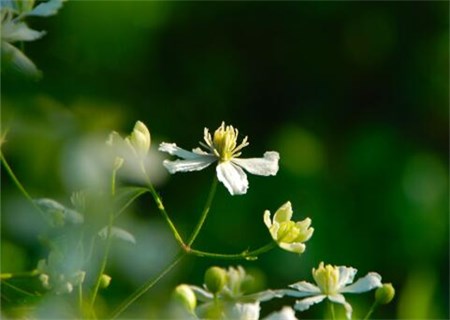
Edgeworthia chrysantha is the flower bud of the plant Edgeworthia chrysantha of the Thymelaeaceae family, a deciduous shrub. Origin: produced south of the Yangtze River basin and in Henan, Shaanxi and other places. Harvested part: flower buds. In late winter and early spring when the flowers open, the inflorescences are picked and sun-dried. So do you know what cultivation methods there are for Edgeworthia chrysantha? What benefits and effects does infusing it in water have? Is it toxic? According to traditional Chinese medicine encyclopedia data, Edgeworthia chrysantha is non-toxic, and it can also be used to brew flower tea.
I. What cultivation methods are there for Edgeworthia chrysantha
1. Soil requirements of Edgeworthia chrysantha
Edgeworthia chrysantha is a plant with fleshy roots. It needs to be grown in sandy soil with good drainage, and the soil should be acidic; alkaline soil must not be used for cultivation. When preparing the potting soil, a layer of broken tiles should be placed at the bottom of the flower pot to increase the pot's air permeability and drainage.
2. Water requirements of Edgeworthia chrysantha
This plant Edgeworthia chrysantha also has its own requirements for water. Normally, when it is in the peak growing season, it should be watered appropriately to keep the potting soil moist, but waterlogging must not be allowed to occur in the potting soil, otherwise Edgeworthia chrysantha will develop various adverse symptoms such as root rot and leaf drop. After Edgeworthia chrysantha blooms, it should be fertilized once in time, and the fertilizer should preferably be a compound fertilizer mainly of phosphorus and potassium.
3. Growing environment of Edgeworthia chrysantha
This plant Edgeworthia chrysantha likes to grow in a semi-shaded environment and likes a moist environment. When grown at home normally, it can be placed in a place where it can receive moderate sunlight; in winter it can be placed in the sunlight, while in summer necessary shading treatment is required. Edgeworthia chrysantha is not heat-tolerant, but its cold tolerance is very strong; in winter it can safely overwinter in an environment above minus 20 degrees.
II. What benefits and effects does infusing Edgeworthia chrysantha in water have
1. Edgeworthia chrysantha is a kind of traditional Chinese medicine. After this plant is used as medicine, its greatest effect is nourishing yin and calming the mind and clearing the liver and improving eyesight, and it has a clear effect on human symptoms such as glaucoma and excessive tearing.
2. Edgeworthia chrysantha has a certain regulating effect on the male physiological system, and also has a very good therapeutic effect on male symptoms such as seminal emission, spermatorrhea and deficiency strangury. In addition, Edgeworthia chrysantha can also treat human loss of voice, especially with a clear effect on symptoms such as hoarseness and weak phonation.
3. Edgeworthia chrysantha can be used directly as tea leaves and brewed in water, but this flower tea is not easy to drink after being combined with other tea leaves; it is a distinctive tea suitable for drinking alone. When drinking it, an appropriate amount of Edgeworthia chrysantha can be taken, brewed with boiling water, covered and left for about ten minutes, then some brown sugar or a small amount of honey can be added, mixed evenly, and then it can be drunk.
4. Within Guizhou, China, this Edgeworthia chrysantha also has a magical effect; locally it is called the dream tree. Generally, when local people experience restless sleep and continuous nightmares, they will pick some Edgeworthia chrysantha and put it under their pillow. It is said that this can calm the mind and reduce the harm of nightmares to people.