Ranunculaceae Nigella: cultivation and propagation methods, precautions, and main value
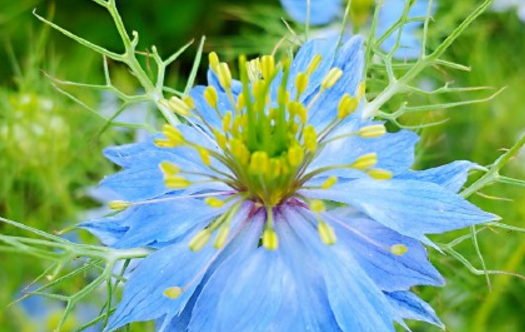
Nigella, also known as black seed herb and Siyadan, so what are the cultivation methods and precautions for Nigella? How does it propagate? What are its main values? According to available information, the growth habits of Nigella are quite similar to most plants. It likes an environment with sufficient light and can tolerate cold. When cultivating Nigella, the more suitable soil is loose, fertile, and well-drained sandy soil. As for watering, it needs to be decided according to the plant's growth condition and cannot be done blindly.
I. What are the cultivation methods and precautions for Nigella?
Time
For tuberous root cultivation, it can be carried out in early to mid-September. If too early, the tuberous roots will rot due to high temperatures; if too late, it is unfavorable for plant growth and affects Nigella flowering the following spring.
Soil
Pot cultivation: Mix 2 parts garden soil, 1 part leaf mold, and 1 part barnyard manure as potting soil.
Ground cultivation: Choose fertile, loose sandy soil.
Light
Nigella is suitable for planting in a sunny place to ensure sufficient light.
Watering
In autumn and winter, water thoroughly once every 3-7 days, and decide the watering frequency according to how dry the potting soil is. Overwatering can easily cause root rot. Water slowly to prevent the water flow from being too fast and washing out the roots or washing away the substrate.
Fertilizing
During the fruiting period, Nigella can be given 1 topdressing of urea.
Precautions
When sowing and cultivating Nigella, pay attention to controlling the sowing spacing. After the seedlings grow taller, thin them in time, and promptly loosen the soil, remove weeds, water, and apply appropriate fertilizer to supplement the nutrients needed for growth.
II. How does it propagate?
1. Sowing method for Nigella
When propagating Nigella, sowing propagation is generally the main method. It is not a plant that is very easy to sow.
When sowing Nigella, spring sowing is the main method. In some areas of the south, autumn sowing can be carried out. Generally, by maintaining the germination temperature at 15°C——20°C, it will germinate in about half a month.
2. Detailed explanation of the sowing method for Nigella
When sowing Nigella, it can be sown directly, but the effect is a bit better after pregermination. Use a paper towel to pregerminate the Nigella seeds. Generally, pregermination takes about 1 week. After germination, they can be sown into the soil, but germination is still relatively slow.
When sowing Nigella, note that Nigella is relatively averse to light, so when sowing, pay attention to shading. Before the seeds germinate, avoid light, as too strong light may prevent germination.
3. Precautions for sowing propagation of Nigella
The germination of Nigella from sowing propagation is relatively slow and requires fairly careful care, so it is not very suitable for beginners to sow.
Generally, fresh seeds germinate relatively quickly, and the germination rate is also relatively better.
Nigella seedlings are relatively intolerant of transplanting, so after sowing, it is best not to transplant them easily.
If Nigella is directly sown in the open ground, the flowering period will be relatively late, and the flowering time will not be long.
III. What are its main values?
The edible value of Nigella
People in India, Egypt, Greece, and Turkey commonly use Nigella as a seasoning, mostly for preparing vegetables, legumes, and curry dishes.
The medicinal value of Nigella
Traditional Chinese medicine believes that Nigella can be used as medicine to tonify qi and nourish the heart, dispel wind and relieve cough, and treat palpitations, insomnia, physical weakness, wind-cold common cold, and cough. It can be dried in the shade, cut into sections, and then decocted in water for oral use.
The medicinal value of Nigella seeds
Nigella seeds have significant therapeutic effects on more than 40 diseases and have more than 20 pharmacological effects, with very high medicinal value. Pain relief, anti-inflammatory and sterilization, blood pressure lowering, antioxidant, anti-decay, anti-spasmodic, and liver protection are all part of its effects.
The medicinal value of Nigella oil
Nigella oil can strengthen hair follicles, make hair roots strong, and prevent hair loss. This may be related to its own antioxidant and antibacterial properties; Nigella seed oil can also promote and inhibit melanin, helping damaged skin and other cells heal; Nigella oil also has the effect of reducing weight and lowering lipids.
Other values of Nigella
Nigella can be used to expel gastrointestinal parasites and promote lactation.