How to Grow Pentapetes phoenicea (Sterculiaceae): Cultivation Methods, Precautions, Flowering, and Medicinal Value
Pentapetes phoenicea flowers are also brightly colored and varied, with a long blooming period. Pentapetes phoenicea is generally used as a garden flower, planted around and inside flower beds, where the colors compete in beauty and look very attractive. So do you know what the cultivation methods and precautions for Pentapetes phoenicea are? How do you grow it so it blooms? What medicinal value does it have?
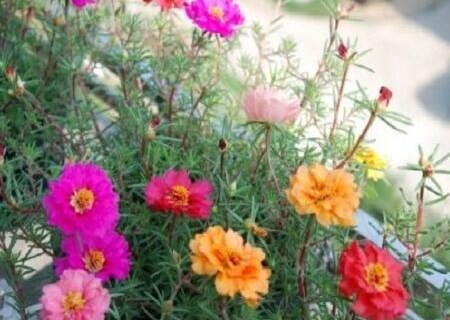
I. Cultivation Methods and Precautions for Pentapetes phoenicea
Cultivation Methods
1. Climate and Environment
Pentapetes phoenicea likes light and a relatively warm, moist environment, and does not like dryness and cold. When planting Pentapetes phoenicea, you must choose planting soil with good drainage and good aeration, because Pentapetes phoenicea is a plant that does not like waterlogging.
2. Water Management
Pentapetes phoenicea is a relatively drought-tolerant plant, so it does not need frequent watering. However, if there is a drought with relatively little rain and relatively high temperatures, then about once every half a month is enough to water it once, but each watering must be thorough, so that Pentapetes phoenicea can grow normally.
3. Fertilizing
Pentapetes phoenicea does not have a very high demand for flower fertilizer, because it is relatively tolerant of poor soil, and it is not very strict about the type of flower fertilizer chosen. Generally, applying fertilizer once when preparing the soil for planting is enough, and then apply nitrogen fertilizer once during each year's growing season. Applying nitrogen fertilizer once more before flowering helps the flowers grow large and vivid, and the plant will also be more robust.
4. Pruning
Pruning Pentapetes phoenicea is relatively simple, and it is also fine not to prune it. However, if pruning is done during the growing season, the growth rate will be relatively fast, and after about fifteen days another attractive form will have formed.
5. Pests and Diseases
Generally in summer each year, around July and August, Pentapetes phoenicea is prone to leaf spot disease. At this time, timely control through pesticide spraying is essential.
Precautions
Although Pentapetes phoenicea can adapt to any soil, soil that can quickly drain away standing water is the most suitable. When first planting Pentapetes phoenicea seedlings, they will grow very slowly, but once the temperature rises, they will grow very quickly, so there is no need to worry too much. Then when growing it, it is best to put some appropriate humus soil at the bottom of the pot, but do not let it come into contact with the roots of Pentapetes phoenicea.
The above are the methods for how to grow Pentapetes phoenicea. Once you have mastered the methods and grow it in the correct way, you will certainly grow Pentapetes phoenicea very vigorously.
II. How to Grow Pentapetes phoenicea So It Blooms
1. Water Must Be Appropriate
It is very tolerant of drought. Under normal circumstances, there is no need to water it much, but if there is relatively little rain and the temperature is relatively high, we can give it a little water appropriately. In ordinary times, watering once about every 20 days is enough, and it is best to water it thoroughly. Under normal circumstances, within a year, it is enough to water it once in spring with green-up water and once in early winter with antifreeze water, and this will allow it to bloom smoothly.
2. Fertilizing Must Be Moderate
We all know that it is very tolerant of poor soil. The fertilizer it usually needs is not particularly large, and its requirements for fertilizer are not strict. It is enough to apply a little organic fertilizer before planting, and then during the growing season mainly use nitrogen fertilizer, plus a little phosphorus fertilizer. After that, before flowering, we can spray it 1 to 2 times with nitrogen fertilizer and other fertilizers, so that the flowers it produces will be even more beautiful.
3. Proper Pruning
Actually, under normal circumstances, it does not need much pruning, but in order to let it produce more flowers, during the growing season we can prune it appropriately, so that it grows faster. Basically, in half a month it can form a landscape, and it can also promote the blooming of its flowers.
III. What Medicinal Value Does Pentapetes phoenicea Have
We all know that it is very nice to look at, but you may not know that its entire plant can also be used as medicine. Its taste is relatively mild, its nature is neutral, and it is non-toxic. It has quite good effects in dispersing blood stasis, relieving pain, and detoxifying. For example, it is often used for bruises and injuries, and its effect is quite good. In addition, it can also be used externally to treat some skin swellings and pains, and it takes effect very quickly, with no toxic side effects at all, so it is a very safe medicinal herb. Looking at it this way, do you find that it really has many special qualities? If you choose to grow it at home, it will be a very good choice.