-
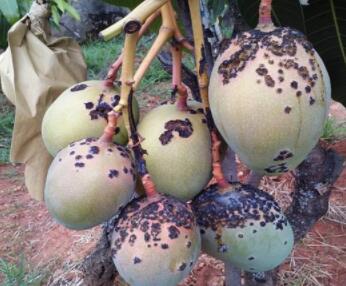
Causes and Control Methods of Bacterial Angular Leaf Spot
According to the Huaping County Organic Late-Maturing Mango Research Center, this year's temperatures in Huaping differ from previous years. In the early period (February to April), temperatures fluctuated between high and low; from May to mid-June, temperatures were relatively high with severe sun exposure, causing severe outbreaks of bacterial angular leaf spot in some mango-growing areas.
-
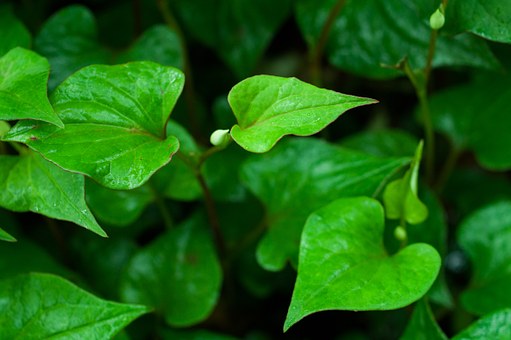
Houttuynia cordata: Growing Methods and Recipes, with Food Recipes Included
Houttuynia cordata (herbahouttuyniae), also known as zhe'ergen, cencao, ji[cai], zijicai, wild flower wheat, etc. It is the dried aerial part of Houttuynia cordata, a perennial herb of the family Saururaceae. It is produced in the provinces south of the Yangtze River basin in China. It is harvested in summer when the stems and leaves are luxuriant and the flower spikes are numerous, washed
-
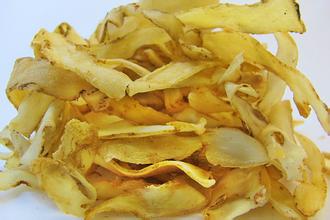
Polygonatum odoratum: Benefits, Uses and Cultivation Methods Explained
Polygonatum odoratum (fragrant Solomon's seal) is a plant of the Liliaceae family. Long cylindrical, slightly flattened, rarely branched, with a yellowish-white or pale yellowish-brown surface, semi-transparent, bearing longitudinal wrinkles and slightly raised nodes, with white dot-like fibrous root scars and disc-shaped stem scars. The texture is hard and brittle or slightly soft, easily broken, with a horny or granular fracture surface. Faint odor, sweet taste
-
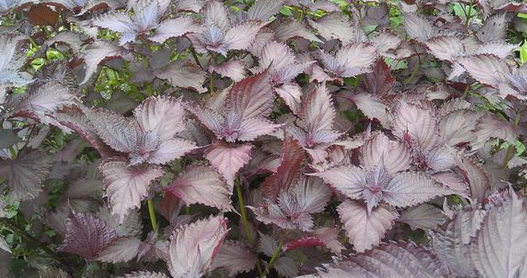
What Is Perilla? A Detailed Guide to Its Benefits, Effects and Growing Methods
Perilla aliases: Guiren, white perilla, red perilla, etc. Perilla is an annual herbaceous plant with round or ovate leaves, 3-9.5cm long and 2-8cm wide, with coarse serrations along the leaf margins. It usually flowers in July-August and fruits in September-October. It likes to grow in a warm and humid climate
-
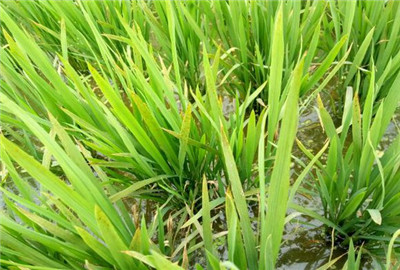
Disease causes and treatment methods for yellowing leaves and slow growth in rice seedlings
Rice is the second largest food crop in China, so achieving high rice yields is a matter of widespread concern. Because rice has weak resistance during the seedling stage, it is very prone to diseases. So what are the causes of these diseases? How can they be effectively treated? I. Nutrient deficiency effects a. Nitrogen deficiency starts yellowing from the tips of old leaves
-
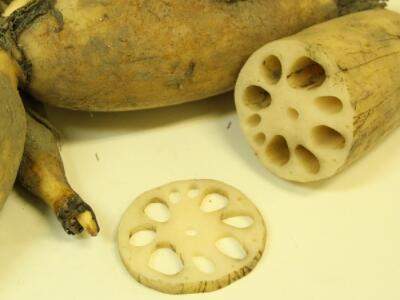
Causes and Control Methods of Soft Rot in Lotus Root, Lettuce, and Romaine Lettuce
Lotus root, lettuce, and romaine lettuce are three crops prone to soft rot during production. So what are the causes, and what control methods are available? Let's take a look below. Causes and control methods of lotus root soft rot. Causes: 1. It is a fungal disease.
-
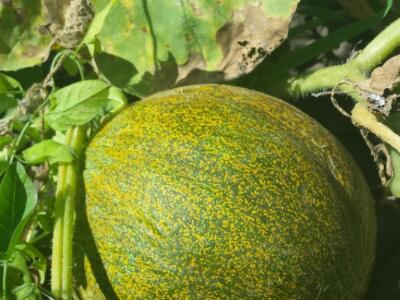
Causes and Control Methods of Angular Leaf Spot in Cucumber, Watermelon, Melon and Mango
Angular leaf spot refers to a class of diseases that occur on the leaves of various crops such as cucumber, watermelon, melon and mango, with disease spots shaped like polygons. So what are their causes and control methods? This disease is mainly prevented, and scientific management together with good ventilation and drainage conditions
-
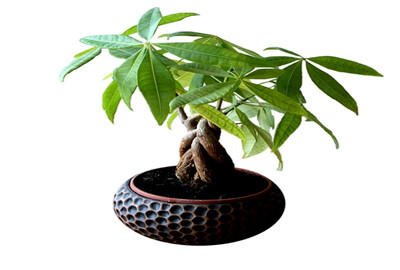
How much does a money tree cost? Types and home care methods
The money tree is also known as Malabar chestnut, Gua li, Central American kapok, and goose-foot money. It is also distributed in the tropical regions of southern China. So how much does a money tree cost? What types are there? How do you care for it at home? In fact, the money tree is a popular potted plant; it can be sown when the temperature is above 20°C
-
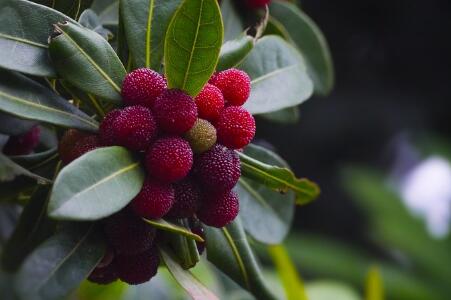
Causes and Control Methods of Gray Leaf Spot in Corn, Apple, Chinese Bayberry, Cowpea and Soybean
Gray leaf spot, also known as brown spot, speckle disease or frog-eye leaf spot, is a worldwide disease. So what are the causes and control methods of gray leaf spot in corn, apple, Chinese bayberry, cowpea and soybean? Let's take a detailed look below. Corn gray leaf spot: 1. For corn planted in early to mid-May during the sowing period
-

What Are the Prospects for Polygonatum Cultivation? A Detailed Guide to Polygonatum Cultivation Techniques and Methods
In recent years, China's market demand for Polygonatum has been rising steadily, and prices have been increasing year by year. At present, the conventional cultivation method for Polygonatum in China is planting rhizome sections or seedlings raised from seed. The existing Polygonatum cultivation techniques are not yet fully refined, so below, the editor explains... Cultivation Techniques for the Medicinal Herb Polygonatum (I) Site Selection 1. Open Field According to the growth characteristics of Polygonatum kingianum (prefers warmth, tolerates cold, tolerates drought, tolerates high temperatures, tolerates shade, fears waterlogging), choose an altitude of 700-3600 m; an average annual temperature of 15-25 °C, and a ground temperature of 10-20.
条件筛选