-

Tulip Pest and Disease Prevention and Control Methods
Growing tulips really can bring people a feeling of visual delight, but you must also always pay attention to pest and disease prevention and control, and take good measures to protect them. I have put together the pest and disease prevention and control methods for growing tulips for you. 1. Tulip gray mold rot. The pathogen of tulip gray mold rot is Pellicularia, and this is a fungal disease
-
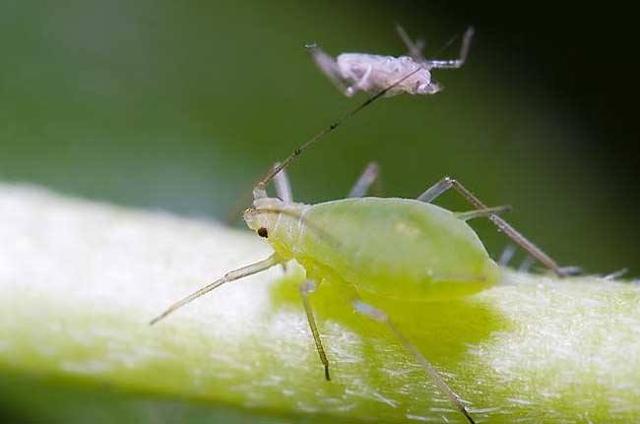
What to Do When Aphids Appear on Flowering Plants? A Summary of Highly Effective Aphid Control Methods
Flowers and plants often attract aphids, and their destructive power is strong. They usually attach to the underside of plant leaves, then suck the plant's sap; the leaves gradually turn yellow, and the plant gradually becomes stunted and cannot grow tall. In severe cases, the flowers may even wither. Spring and autumn are the seasons when aphids are most prevalent.
-
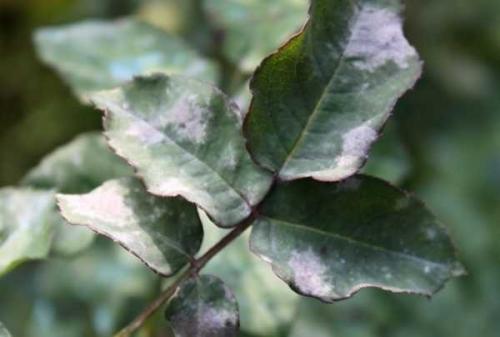
Common Pest and Disease Control Methods for Roses and Chinese Roses
Many gardening enthusiasts who love growing roses and Chinese roses often encounter four common diseases of roses and Chinese roses, such as: black spot disease, powdery mildew, branch blight, and crown gall disease. Occasionally, there are also other diseases such as rust, downy mildew, anthracnose... etc., but they are not as serious as the first four diseases
-
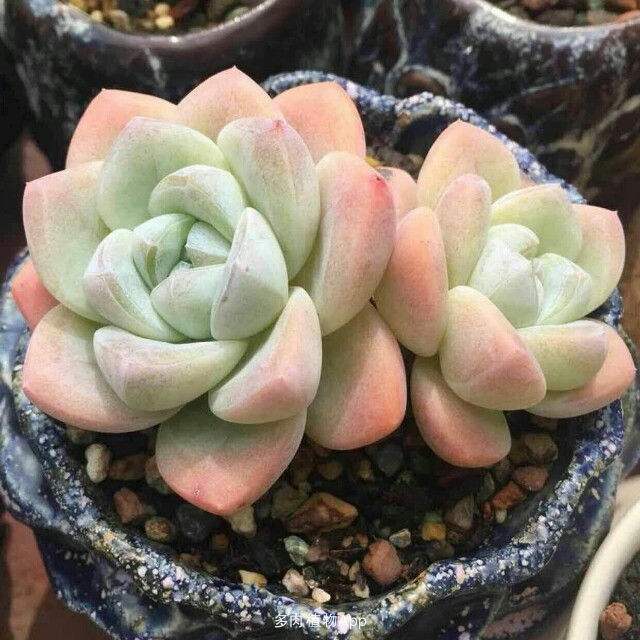
What are the methods for controlling pests and diseases of narcissus?
Narcissus is a common decorative flower on office desks and dining tables. Anyone who has grown narcissus knows that although narcissus is beautiful, it is prone to attack by certain pests and diseases during cultivation. The main pests and diseases of narcissus are: narcissus leaf blight, large brown spot disease, basal bulb rot, and narcissus stem nematode disease, etc.
-
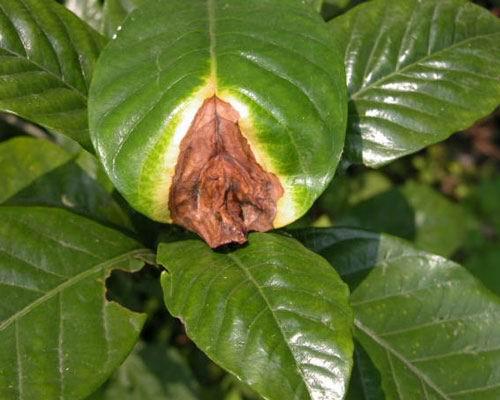
Pest and Disease Control Methods for Gardenia Cultivation
Pest and disease control for gardenia cultivation: Gardenia anthracnose. [Symptoms] This disease mainly affects the leaves of gardenia. It starts from the leaf tip and leaf margin, forming irregular or nearly circular brown lesions. Sometimes the entire leaf turns brown, and in severe cases it causes branch dieback or death of the whole plant.
-

What to Do About Root Rot in Nasturtium? Cause Analysis and Treatment Methods
How to deal with root rot in nasturtium: beheading and cuttings. For nasturtiums whose root rot is severe and has already caused leaves to turn yellow and drop, or that have already begun to wilt, you can try beheading and cuttings to re-cultivate the plant. Nasturtium is a plant of the family Tropaeolaceae and the genus Tropaeolum, a perennial semi-trailing or prostrate plant.
-
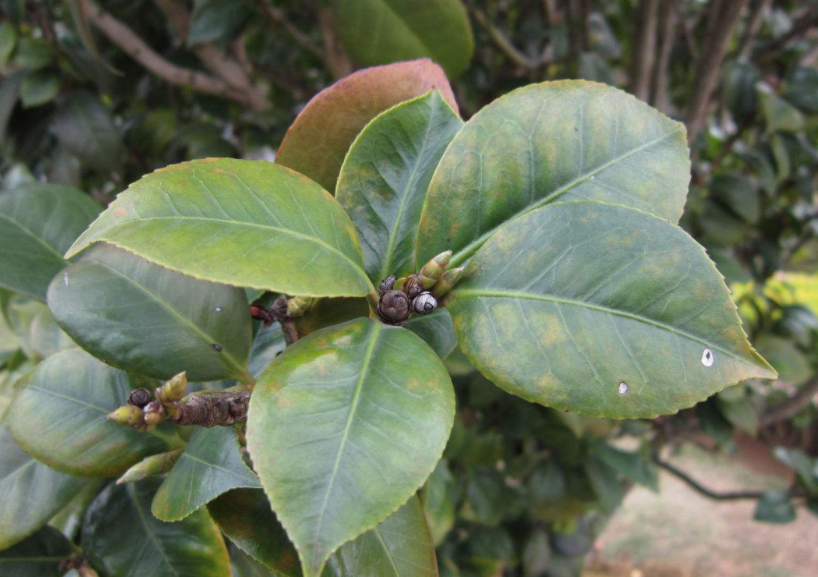
A Complete Guide to Camellia Disease Prevention and Control Methods
Camellia disease prevention and control methods: when the outbreak is small, gently wipe the mold layer clean with clean water; when the amount is large, spray 50% carbendazim at a 500-800 times dilution for control. Promptly eliminating pests such as scale insects and aphids can reduce the occurrence of sooty mold. Gray leaf spot, sooty mold and root rot are relatively common on camellias.
-
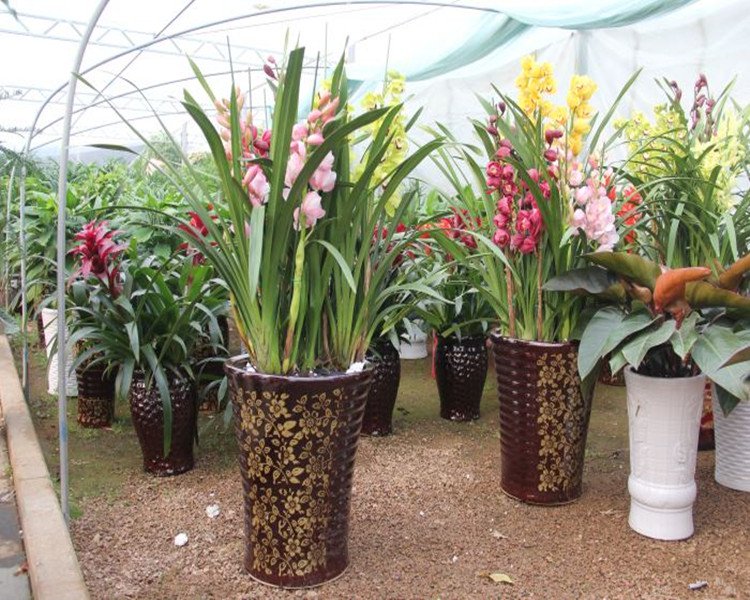
What to Do When Cymbidium Roots Rot? A Few Rescue Methods to Teach You
Cymbidium is a plant that stays evergreen all year round and is very well suited to indoor growing. Cymbidium is an orchid with axial growth, so when choosing a pot you need to pick a tall cylindrical one, the growing environment must have good ventilation, and charcoal and other drainage-friendly material should be added at the bottom of the pot.
-
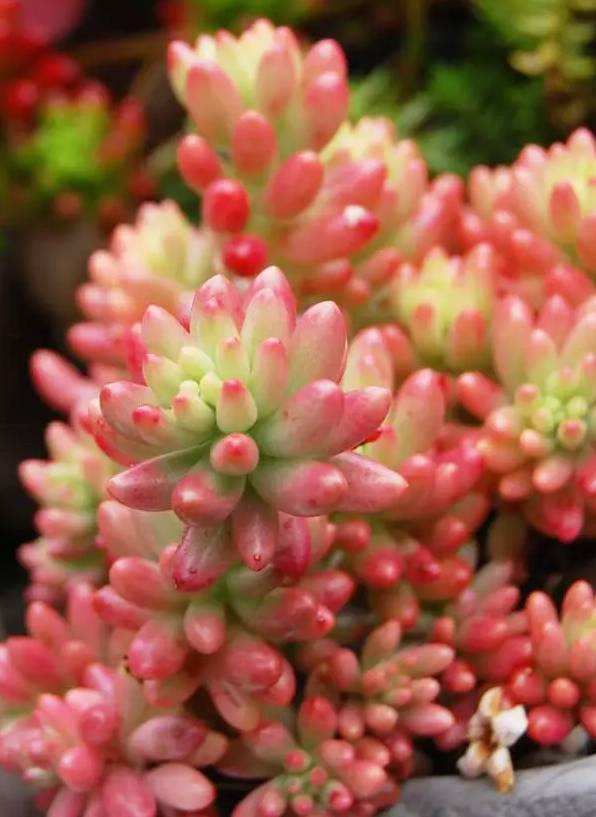
Why does Photinia have a masculine smell? Plus Photinia care and management methods
Photinia, scientific name Photinia serrulata Lindl., English name Photinia, also known as Qiannianhong, Shanmumu, etc. An evergreen shrub or small tree of the genus Photinia in the Rosaceae family, native to China. Flowering period April to May, fruiting period October. Round crown
-
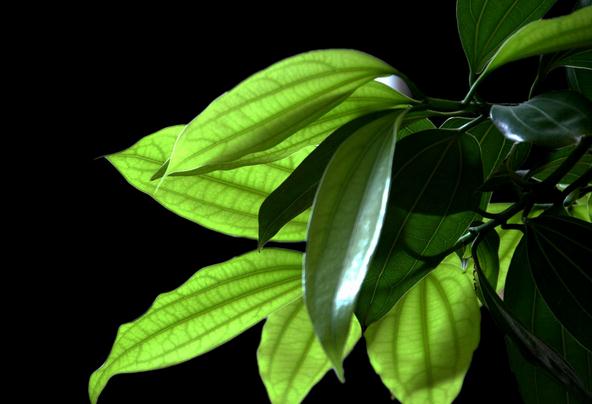
What to Do When a Peace Lily Tree Develops Disease? Symptom Analysis and Treatment Methods
Disease Analysis of the Peace Lily Tree - Anthracnose. 1. Symptoms: It mainly affects leaves at the seedling stage and on mature plants. When leaves are infected, it mostly occurs on the leaf surface, leaf tip, and leaf margin, appearing brown and irregular in shape, and later often expands or merges into large grayish-brown spots with brown, wavy edges; many small black granules form on the lesions
条件筛选