-
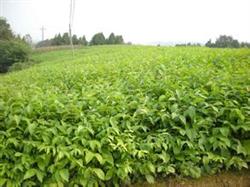
Spring Propagation Methods and Technical Key Points for Walnut Seedlings
1. Seed selection: Choose fully mature seeds from superior varieties, as this ensures a high germination rate. That is, at the time of walnut harvest, those whose husks (green skin) have split open and fallen off on their own, or those whose husks have not split open and fallen off about half a month past the maturity period. 2. Seed treatment: In early March, subject the seeds intended for propagation to sand storage treatment...
-
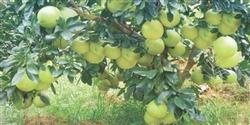
How to Improve the Fruit-Set Rate of Shatian Pomelo? A Detailed Guide to Practical Methods
1. Interplant or top-graft pollinator trees. Bring the proportion of pollinator trees in the whole orchard to about 10-15%, choosing pomelo varieties with abundant pollen, strong pollen viability, and a flowering period close to that of Shatian pomelo. At present, sour pomelo is mostly used in production as the pollinator variety for Shatian pomelo. 2. Carry out artificial pollination. Artificial pollination can significantly increase the fruit set of Shatian pomelo...
-
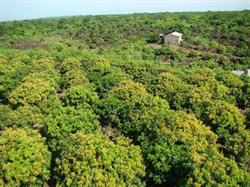
Key Points of Lychee Cultivation Techniques and Planting Management Methods
Cultivation Techniques 1. Shaping and pruning of young lychee trees. Young trees are mostly shaped into a round-headed form with main branches, completed within 2-3 days after planting. Methods such as pulling, propping, pushing and hanging are used to adjust the growth angle and orientation of branches. Pruning and shaping of young trees are carried out simultaneously; before new shoots sprout, methods such as pinching, heading back, thinning and bud removal are used to suppress shoot growth and promote branching. Pruning should be light rather than heavy, mainly removing crossing branches, overly dense branches, curved branches, weak and small branches, as well as flower spikes that are not allowed to bear fruit, so that nutrients are effectively used to expand the canopy.
-

Pruning Methods and Technical Key Points for Young Bearing Apricot Trees
How to prune young bearing apricot trees? The main task of pruning young bearing apricot trees is to continue developing good scaffold branches, develop good fruiting branch groups, expand the canopy, promote canopy development, and promote early production. Young bearing trees still have a large growth volume, and pruning should still balance three aspects: shaping, expanding the canopy, and fruiting. In terms of pruning...
-
Key Technical Points and Detailed Operation Methods for Apricot Tree Propagation
In recent years, as the market for major fruits such as apples and pears has gradually become saturated, the market potential for minor fruits is relatively large, especially with promising prospects for fresh-eating apricots and kernel apricots. Apricot trees are deeply favored by fruit growers for their strong adaptability, ease of cultivation, low investment and quick returns. Most rural areas use seedling propagation, whose offspring vary greatly and do not easily...
-
Shaping Methods and Winter Pruning Techniques for Persimmon Trees
Persimmon trees are light-loving crops. In dense planting cultivation, attention should be paid to solving ventilation and light penetration, which is a major measure in high-yield management. Persimmon trees bear fruit from axillary buds, so thinning out vigorous growing branches and strengthening nutrient accumulation in the branches and trunk are very important. Before flowering, emphasis should be placed on applying amino acids to the trunk to promote flower bud differentiation, overcome alternate bearing, and encourage early fruiting...
-
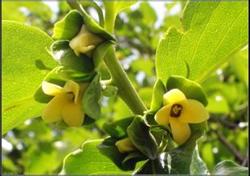
Persimmon Tree Disease Prevention and Control Methods and Key Technical Points
Fertilizer and water management during the flowering period in an ecological persimmon orchard is an indispensable specific measure. Its purpose is to push the persimmon tree's growth rhythm to a peak. By emphasizing nutrient supply, it achieves the best effect in preserving flowers and fruit. In this way, all inappropriate means and measures in the management of the persimmon orchard during the flowering period are eliminated. It not only effectively...
-
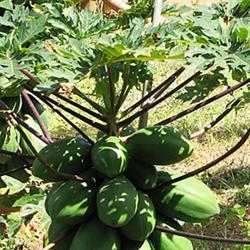
Detailed Explanation of Papaya (Chaenomeles) Cultivation Techniques and Management Methods
(1) Varieties. Papaya (Chaenomeles) varieties. (2) Land conditions. Altitude 300 to 900 m, soil type yellow-brown earth, soil layer thickness over 50 cm, soil pH 5.3 to 7.0, organic matter content ≥1.0%. (3) Cultivation management. 1. Seedling propagation: seedling propagation by seed. Raising seedlings is divided...
-
Key Cultivation Techniques and Planting Management Methods for Papaya
Papaya is a perennial deciduous shrub or small tree of the genus Chaenomeles in the rose family. It is mainly distributed in East China as well as Hubei, Jiangxi and other places, and is also cultivated in Henan and Hebei. Papaya is used both as food and medicine, mainly for medicinal purposes. The mature fruit of papaya is used as medicine; it is sour, astringent and warm in nature, and contains saponins, flavonoids, malic acid, tartaric acid, citric...
-
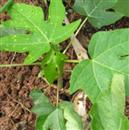
Methods and Technical Key Points for Controlling Root Rot in Papaya Seedlings
Papaya is a subtropical crop, propagated by seedlings and transplanting. Analysis suggests the main causes of root rot at the seedling stage are: water accumulation in the seedbed after rain, excessively high fertilizer concentration during the seedling stage, nematode invasion of the roots, and infection by root rot pathogens. Control measures: 1. The papaya root system carries out respiration in the soil. Under oxygen-deficient conditions, anaerobic respiration...
条件筛选