-
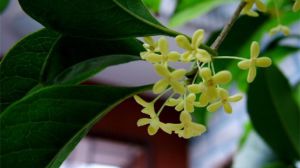
How to grow osmanthus? Detailed guide to cultivation methods and precautions
To grow osmanthus, use slightly acidic soil. Water sparingly before new shoots emerge, water less on cloudy and rainy days, and water more in dry summers. During the flower bud differentiation stage, it needs about 8 hours of light per day. After sprouting, apply diluted decomposed cake fertilizer water once every 10 days. Propagation can be done by seeding and cuttings. If diseases are found, take timely measures to deal with them.
-
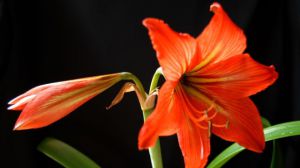
How to Grow Amaryllis? Detailed Guide to Growing Methods and Precautions
To grow amaryllis, use sandy soil with good drainage, and keep the temperature at 18-22°C for best results. Normally, place it at a window with good ventilation and bright light but no direct strong sunlight. When watering, water thoroughly, but do not use too much water. Propagation can be done by seeding and cutting.
-

What are the cultivation methods and precautions for lilacs?
Growing lilacs requires fertile, loose soil with good drainage. If the soil is dry, water it appropriately, and pay attention to drainage during the rainy season. Fertilizer should be applied in appropriate amounts, generally once a year with decomposed compost. Propagation is usually done by sowing or cuttings. In addition, pay attention to preventing leaf spot and flower spot diseases, and spray with fungicide promptly when they are found.
-
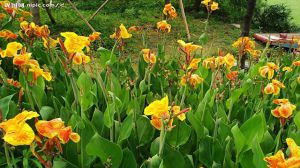
How can you extend the blooming period of canna lilies? Learn these care methods
To extend the blooming period of canna lilies, first move them indoors promptly and give them a suitable temperature: 15-18°C. Second, supplement light when sunshine is scarce, and add fertilizer and water as well. In addition, you can dig up the underground roots, dry them in the sun, and replant them the following year.
-

How to care for Dendrobium orchids after flowering? Master the correct care methods
After a Dendrobium orchid finishes flowering, it needs to be given enough light. It is best to use an unglazed clay pot, as this provides better moisture retention and drainage. Secondly, do not give it fertilizer that is too strong; a light fertilizer is better for it, and of course, it should also be placed in a spot with fairly good air circulation.
-
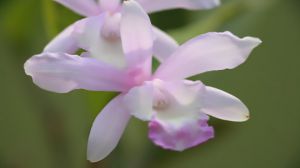
How to Fertilize Dendrobium Orchids? A Detailed Guide to the Correct Fertilization Method
It is best to fertilize it when the temperature is between 15-30°C. During the growing period, nitrogen fertilizer can be applied, and when it fruits, phosphorus and potassium fertilizer should be applied. Solid fertilizer should be buried away from the roots, while water-soluble fertilizer can be applied together with watering. Do not apply too much at once; apply light fertilizer frequently.
-
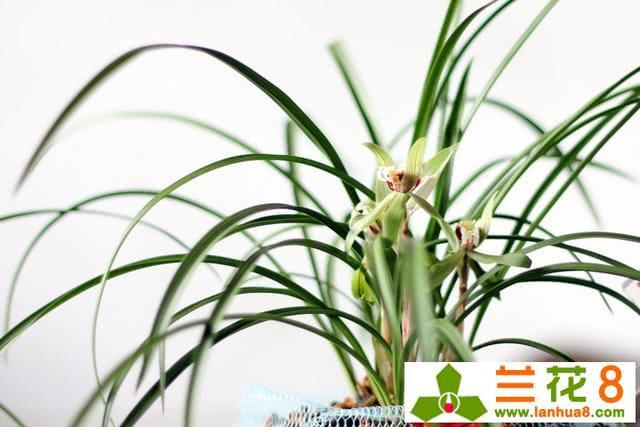
Detailed Explanation of Orchid Division Propagation and Pseudobulb Cultivation Methods
Orchids broadly refer to ornamental plants of the family Orchidaceae, usually divided into two categories: Chinese orchids and exotic orchids. Chinese orchids are traditional precious flowers of our country, with graceful leaf forms, elegant flower colors, and rich delicate fragrance, long known as the "gentleman among flowers," and deeply loved by people...
-
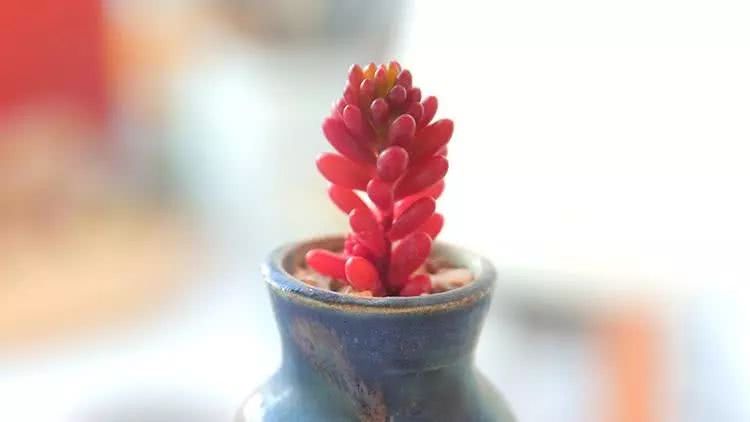
How to tell if a succulent has settled into its pot? A few practical methods
Whether you have just bought a succulent or just repotted it, there is always a settling-in period (in fact, any living thing in nature goes through an adaptation period when it arrives in a new environment). Of course, only after going through the settling-in period...
-
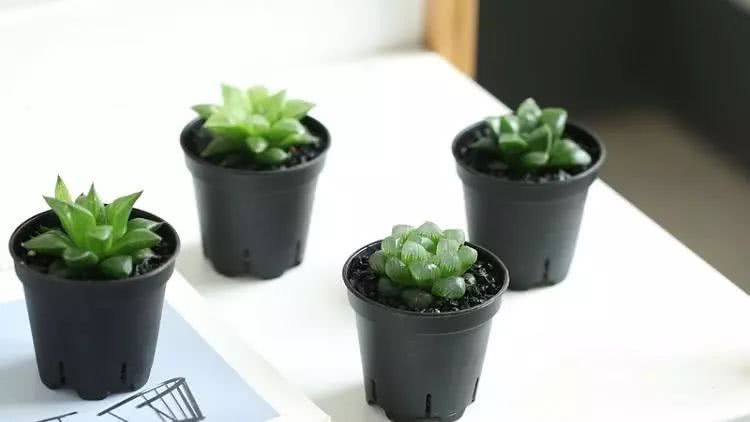
Succulent acclimatization methods and the influence of environmental factors
April has just passed, and I believe many succulent lovers have planted a few pots of cute new succulents during the spring of April, but for beginners who have just gotten into succulents, acclimatizing succulents has always been a problem that troubles them, so today I will simply...
-
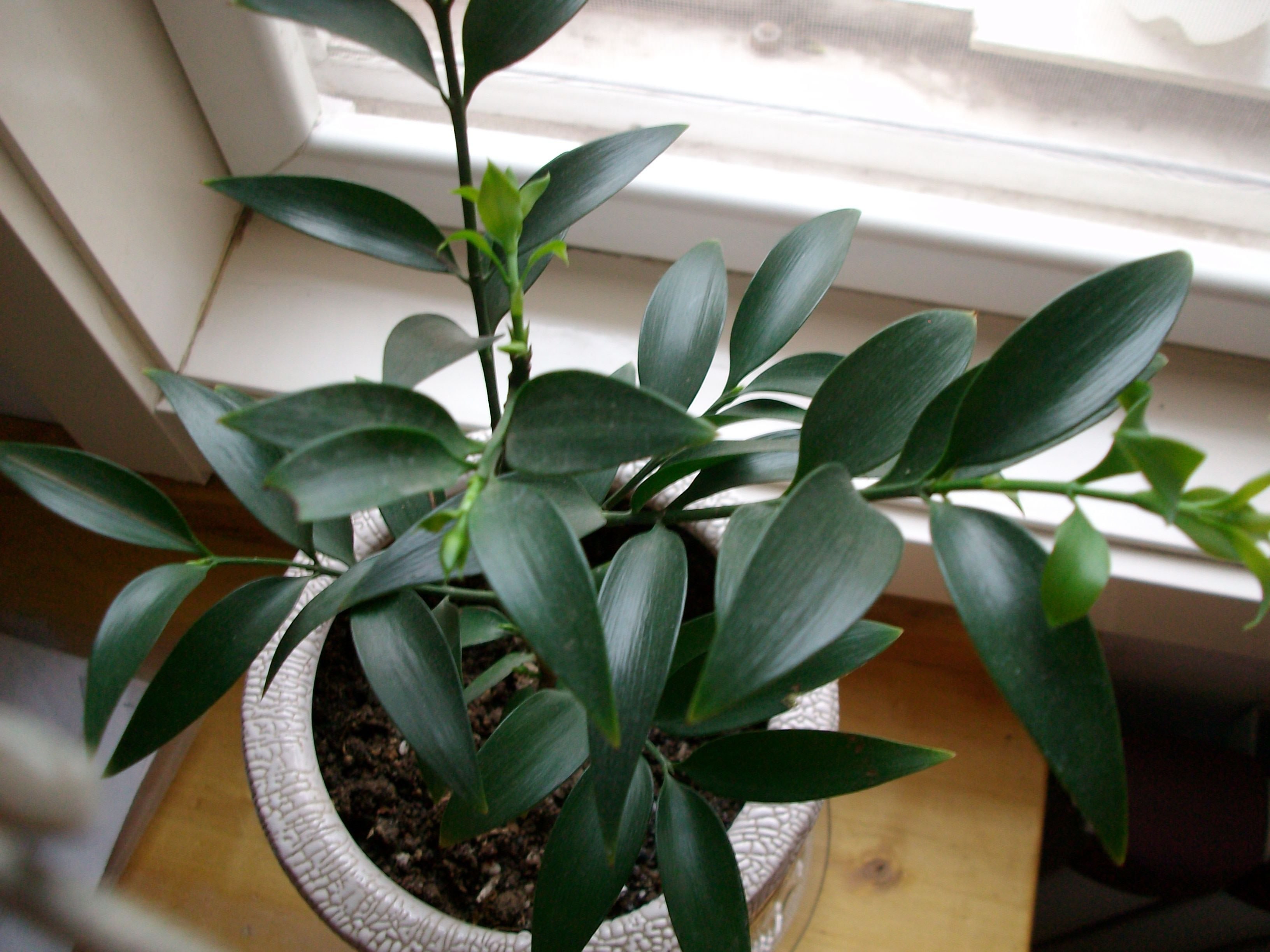
What are the cultivation methods and medicinal effects of the Podocarpus nagi?
The Podocarpus nagi plant is mostly found growing wild and is similar to the fir tree. It is often planted along both sides of roads and in landscape garden areas, and some Podocarpus nagi grow as tall as 20 m. If you have a small courtyard at home, you can try growing one. Podocarpus nagi...
条件筛选