What are the cultivation methods and medicinal effects of the Podocarpus nagi?
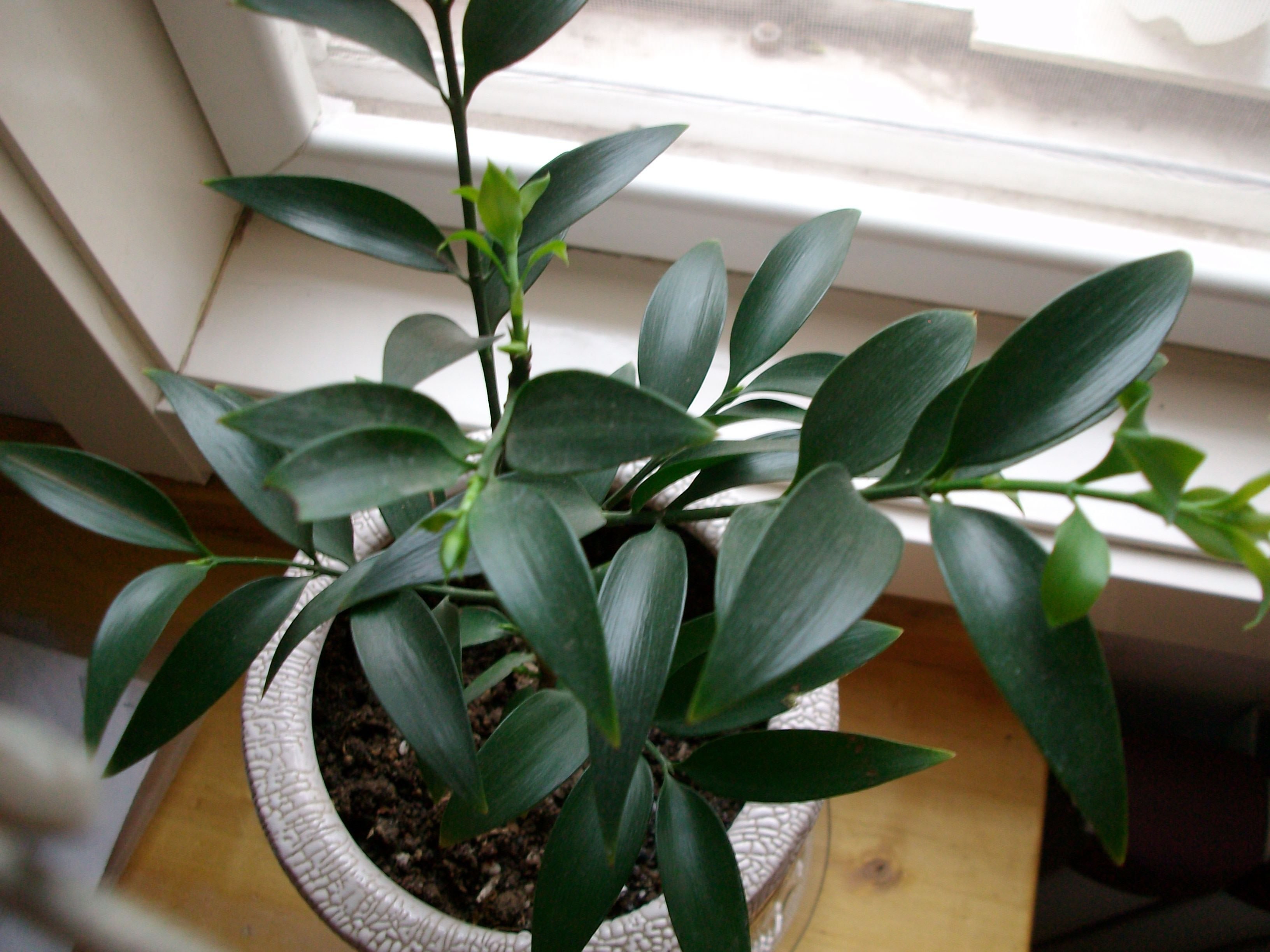
The Podocarpus nagi plant is mostly found growing wild and is similar to the fir tree. It is often planted along both sides of roads and in landscape garden areas, and some Podocarpus nagi grow as tall as 20 m. If you have a small courtyard at home, you can try growing one. Podocarpus nagi prefers a warm and humid climate, so it is generally grown more in southern regions, such as East China and South China.
Of course, if we want to plant it in a small flower pot, that is also possible. Today we will introduce the planting methods for Podocarpus nagi.
1. Soil selection
Podocarpus nagi prefers acidic, fertile soil. When making the potting soil, we can spread a layer of coarse, thick soil at the bottom for drainage, then spread a layer of organic matter, so that the Podocarpus nagi has enough nutrients to grow during the seedling stage.
2. Fertilizing
Podocarpus nagi quite likes fertilizer. We generally apply fertilizer during the growing season, because at this time it needs a large amount of nutrients. You can choose to apply fertilizer once at the beginning of the month and once at the end of the month. When fertilizing, you can use what we usually compost ourselves. You can choose to make it with beer and yogurt, or composted sunflower seeds and fruit peels. These fertilizers have no unpleasant odor and are very suitable for use at home.
3. Pruning
Podocarpus nagi enters dormancy after winter arrives, so we need to prune it while it is dormant, so that its nutrients will not be wasted because the branches and leaves grow too long. In this way, the growth in the coming year will not be affected.
Besides these, we also need to note that when Podocarpus nagi first emerges from the soil, it is curved, first growing the stem and then the leaves. Therefore, to prevent the roots and stems of Podocarpus nagi from being easily infected by fungi, we can spray some fungicide, which can reduce the disturbance of the seedlings by pests and diseases.
Podocarpus nagi has relatively wide uses. In the "Compendium of Materia Medica", it is clearly recorded that Podocarpus nagi can stop bleeding and set bones, and has a very good effect on external injuries. Of course, besides medicinal use, we can also grow it in flower pots as an ornamental plant. The branches and leaves of Podocarpus nagi are fresh green and also very glossy, and the stem is straight. If it is planted in a courtyard, a tall one will be very enviable.