-
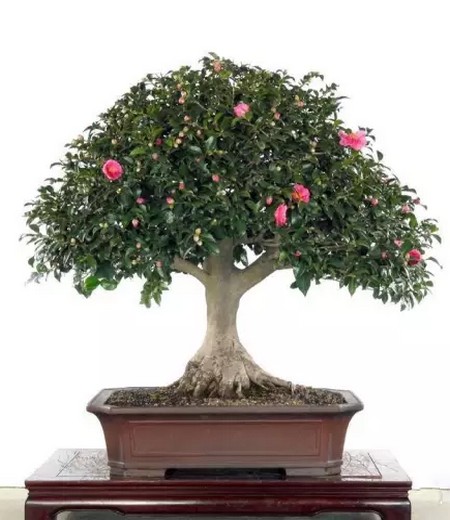
Detailed Explanation of Camellia Bonsai Propagation Methods
Camellia is one of China's ten most famous flowers and a world-renowned ornamental flowering tree species. Its leaves are evergreen and never wither, emerald green and glossy, and its flowers are extremely gorgeous, with blooms so dense they resemble brocade - truly a tree of ten thousand buds, beautiful and delightful. Camellia is native to the southern provinces of China and Japan. It prefers warm
-
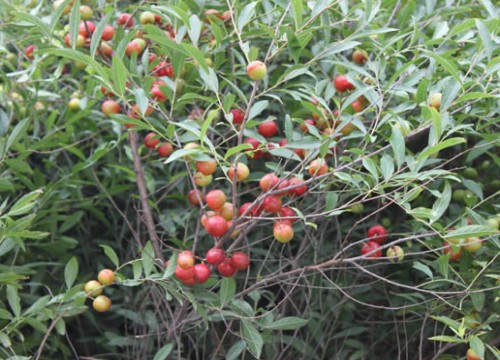
How to grow Chinese pistache in pots? Detailed explanation of sowing methods and cultivation and propagation techniques
In recent years, whenever late autumn comes, there are always people keen to travel elsewhere to admire red leaves. In fact, our native red-leaf tree, the Chinese pistache, has leaves even more brilliantly beautiful than those of the smoke tree, sweetgum, and maple from other places. So, how do you sow seeds to make a Chinese pistache bonsai?
-

Detailed Explanation of Lotus Propagation Methods and Pot Sowing Techniques
Sowing propagation, that is, using lotus seeds (lotus nuts), saves seed lotus roots, labor and money, is convenient to transport, and easy to operate; the lotus plants grown afterward have strong vitality and can be rapidly propagated on a large scale. However, seedling-grown lotus plants are prone to variation and cannot maintain the superior traits of the variety, so they are generally mostly used
-
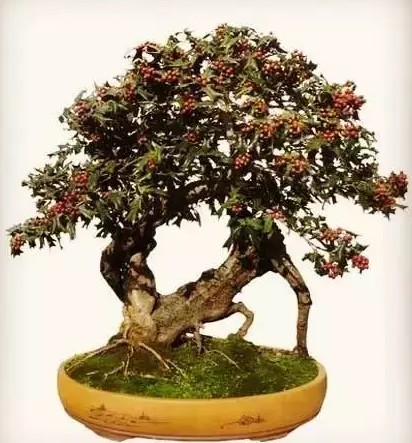
A Detailed Guide to Shaping Methods and Techniques for Chinese Holly Bonsai
Chinese holly, also known as cat's thorn and Chinese holly wintergreen, is an evergreen small tree or shrub of the genus Ilex in the family Aquifoliaceae. The bark is grayish-white and smooth, and the small branches are densely grown and spreading. The leaves are simple and alternate, elliptical-oblong, leathery, with 5 hard spiny teeth, glossy on the surface, and dark green. The flowers are yellow-green and grow in the leaf axils. The drupe is spherical and bright red
-
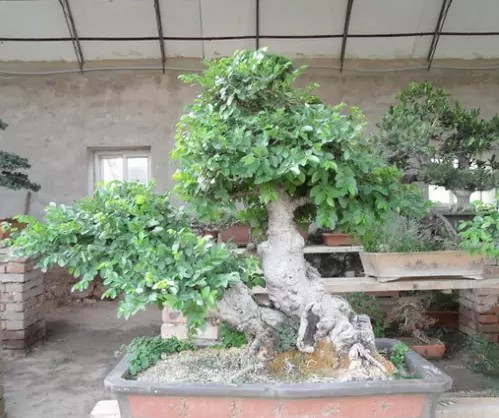
How to cultivate Chinese holly (Ilex cornuta) bonsai? A detailed guide to the method
The wood of the Chinese holly is soft and flexible, and can be used as a substitute for boxwood (Buxus) wood to make various utensils and carved items. Farmers use it as a nose ring for plowing oxen. It should have been a common and commonly used plant in the Yellow River basin during the era of the Classic of Poetry (Shijing). The bark and leaves can be used medicinally, having the effect of nourishing yin and clearing heat. The seed is known pharmaceutically as "Shidagonglaozi" (Mahonia seed), and is used in traditional Chinese medicine to tonify the liver and kidneys
-
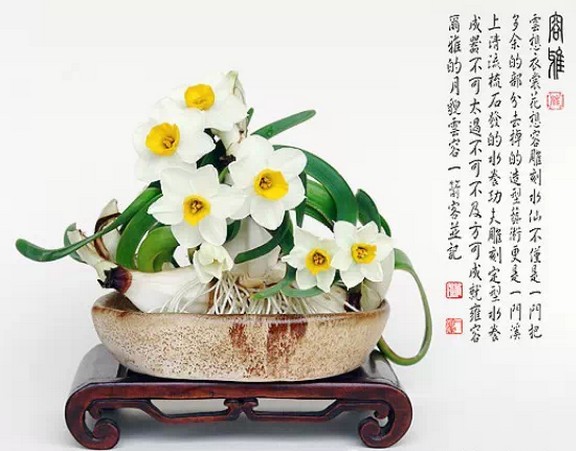
Soil Cultivation of Narcissus and the Bonsai Carving and Water Cultivation Method
Narcissus is not cold-tolerant; in North China it can overwinter in the open ground with a cover. It prefers warm winters and cool summers; it likes moisture and full sunlight and tolerates partial shade; it requires a moist, loose, well-drained, fertile clay loam, and also tolerates drought and poor soil. It is propagated by dividing the bulbs. Bulbs are planted in autumn. It likes water and fertilizer, and needs plenty of both during the growing period.
-
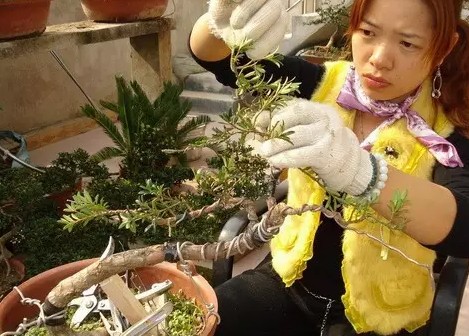
Detailed Explanation of the Styling Techniques and Methods for Podocarpus Bonsai
Podocarpus (yew plum pine) stays green all year round, has short branches and dense leaves, and grows slowly. Resources of small-leaved tree species are relatively scarce. Using cuttings to propagate and create small bonsai not only provides creative material but also helps protect the ecological environment. In a sand bed for seedling cultivation in a greenhouse, Podocarpus can be propagated by softwood cuttings.
-
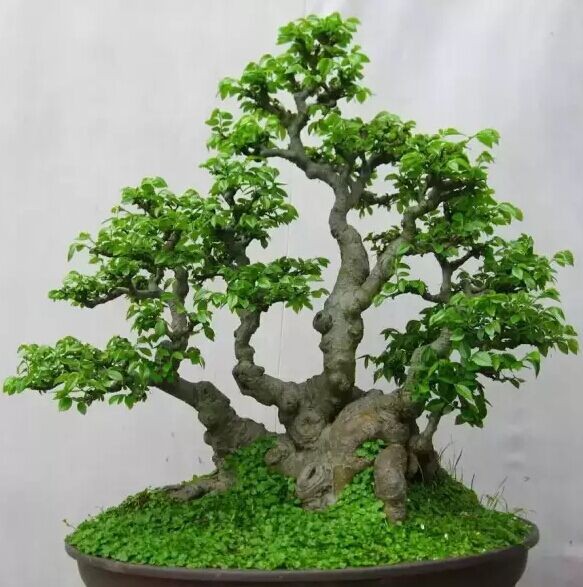
Pruning Methods and Techniques for Elm Bonsai
Deciduous tree, up to 25 m tall, 1 m in diameter at breast height, becoming shrub-like on dry, barren ground; bark of young trees smooth, grayish brown or light gray, bark of mature trees dark gray, irregularly deeply fissured, rough; branchlets glabrous or pubescent, pale yellowish gray, pale brownish gray or gray, rarely pale brownish yellow or yellow, with scattered lenticels
-
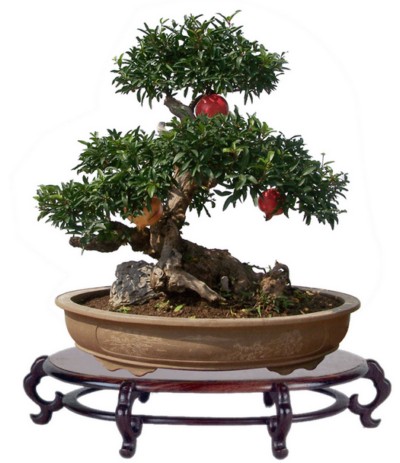
Detailed Explanation of Shaping Methods and Techniques for Pomegranate Bonsai
Pomegranate likes fertilizer. When planting, place a few pieces of animal hoof and a small amount of decomposed soybean cake at the bottom of the pot as base fertilizer. Pomegranate has strong adaptability and is not strict about soil; it can grow in both acidic and alkaline soil. Loose and fertile soil is best, but it fears waterlogging. Planting pomegranate bonsai
-
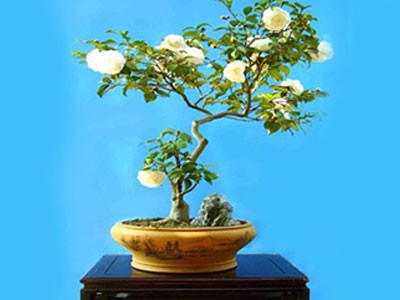
Detailed Explanation of Wiring and Shaping Methods for Camellia Bonsai
Camellia belongs to the Theaceae family and is an evergreen shrub or small tree. Camellia has a pleasant fragrance and abundant blooms, making it highly popular. It is often cultivated as a bonsai plant for indoor decoration, but before a camellia can be placed indoors, it needs to be wired and shaped.
条件筛选