A Detailed Guide to Fig Cultivation Techniques and Growing Management Methods
The fig (Ficus carica) is a plant of the mulberry family, genus Ficus, also known as dǐzhēnshù, āyì, and yìngrìguǒ.
The fig is a deciduous tree or shrub. The branchlets are stout and hairless; the leaves are obovate or nearly round, 3-5 deeply lobed, with a rounded-blunt tip and a heart-shaped base, and irregularly serrated margins; the upper surface is rough, the lower surface has stiff hairs, and the leaf stalks are long. The flowers are unisexual and monoecious, borne inside a pitcher-shaped receptacle called a syconium; the perianth is inconspicuous, which is why it is called the "fig" (flowerless fruit). The compound fruit formed from the receptacle, also called a multiple fruit, is nearly spherical or pear-shaped, fleshy, and green to purplish-brown.
The fig is suited to a relatively warm climate, growing best in regions and conditions with an annual average temperature of 15°C, an average summer maximum temperature of 20°C, and an average winter minimum temperature of 8°C. The fig is not cold-hardy; it is easily damaged by freezing when the temperature reaches -12°C, and when it drops below -20°C the aboveground parts all freeze to death, so cold protection is needed in winter.
The fig is relatively drought-tolerant, but during the rapid growth period of new shoots and fruit it needs a large amount of water, so the water supply must be ensured and timely watering done to prevent drought. After leaf fall, watering combined with winter plowing helps enhance winter hardiness. The fig is tolerant of both rich and poor soil; apply base fertilizer in autumn, topdress before rapid growth in early spring, and topdress during the rapid swelling period of the summer and autumn fruit, with the amount depending on the tree's growth condition. The fig has weak branching ability, so thin out branches as little as possible. For varieties grown mainly for the summer crop, do not cut back or cut back only slightly, to avoid reducing yield. In summer, pinching can be used to promote new shoots, increase the number of branches, and make it bear more autumn fruit. Figs mostly use the multi-main-branch natural open-center form.
The fig has relatively few pests and diseases, but the mulberry longhorn beetle causes fairly serious damage; adults can be caught by hand during the egg-laying period from June to July each year, or 1 part of 5% wettable DDT plus 5 parts flour can be mixed with water into a paste to plug the insect holes and poison the larvae.
Fig fruit is rich in nutritional value, containing 18.8% water, 4.3% protein, 0.3% fat, 74.3% carbohydrates, and 2.4% ash. Dried fruit contains about 75% sugar, and the total sugar is mainly fructose and glucose, which are very easily absorbed and used by the human body. The fig has the effects of clearing heat and moistening the intestines, stopping diarrhea and dysentery, treating five types of hemorrhoids, expelling parasites, reducing inflammation, reducing swelling, strengthening muscles, and aiding weight loss.
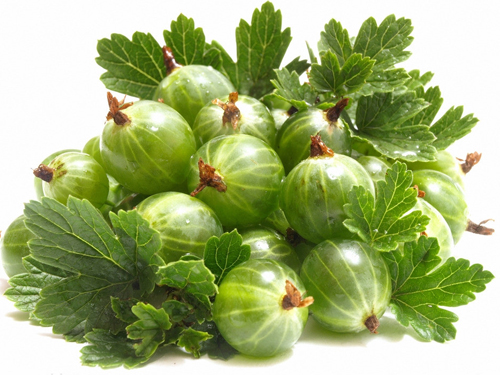
How to grow potted figs, fig cultivation techniques / sufficient light is required
The fig is a relatively common plant in people's lives, and people are fairly familiar with its effects and functions, so many people want to grow it at home. So how do you grow potted figs, and what points need attention in fig cultivation techniques? Below, the editor will walk you through it.
I. How to grow potted figs
If you want to know how to grow potted figs, you first need to understand their growth habits. The fig is a plant that prefers a warm, humid environment and is relatively drought-tolerant, but it has little resistance to severe cold weather, so these points need attention. Below is a detailed explanation of fig cultivation techniques, which friends who want to grow them can read.
II. Fig cultivation techniques
1. Soil selection
Soil selection is a relatively important step when growing potted figs; choosing the right soil is more conducive to their growth. In terms of soil selection, we can choose a mixture of fertile garden soil and humus soil; the resulting soil will have better drainage, and the fig will be able to absorb nutrients better.
2. Light requirements
In fig cultivation techniques, light is a fairly important part. The fig is a relatively light-loving plant, so during cultivation you must maintain sufficient light; this way it will grow better. Everyone can pay attention to this point.
3. Watering requirements
During a plant's growth, water is indispensable, and the fig is no exception. Generally, in spring when the branches and leaves first begin to grow, the amount of watering can be relatively small, keeping the soil at a certain level of moisture. As the fig gradually grows and reaches the fruiting stage, we need to appropriately increase the amount of watering, basically watering every day; if the amount is insufficient, it will cause the branches and leaves to shrivel and the fruit to drop.
4. Pay attention to pruning
The fig's shoots grow relatively fast, so attention must be paid to pruning during growth, because if the fig's trunk and branches are too tall it will not only affect its beauty but also increase the difficulty of care, so pruning is a necessary step. Generally, when the fig's trunk and branches grow to about 20 cm in length, the terminal shoot needs to be cut off; this can promote the growth of branches and also improve its ornamental value.
5. Environmental requirements
In fig cultivation techniques, the choice of environment is also of paramount importance; growing in a suitable environment is more beneficial for the fig. As the editor mentioned above, the fig likes a warm, humid environment; when growing it indoors, you can slightly increase the indoor humidity, which will be more beneficial to the fig's growth.
6. Pest and disease control
When growing potted figs, if the method is wrong, pests and diseases are very likely to appear. When this happens, we need to carry out timely control. For specific methods, everyone can refer to the article on fig pest and disease control; the editor will not introduce too much here.
Fig growing methods
1. Container.
The fig's root system is relatively well developed, so if it is not planted directly in the ground, a relatively large container must be chosen for cultivation; the best is a large clay jar, and the space it needs for growth should also be somewhat spacious, preferably on an open-air balcony of a building or in a small courtyard.
2. Soil.
The fig does not have very high requirements for soil, but when first planting you should still choose soil with high fertility and good air permeability. When planting or repotting, you can add some well-rotted livestock manure rich in phosphorus and potassium; this can help the fig survive and grow lush branches and leaves and bear fruit early.
3. Watering.
Watering figs depends on the growth condition of the branches and leaves. In spring, when the fig's branches and leaves sprout and grow, water less, keeping the potting soil slightly moist. As the temperature rises and the branches and leaves grow larger, in summer the fig also enters its fruiting period; at this time the amount of watering must be increased, watering once each morning and evening to prevent water shortage. In autumn, when the fruit ripens and is picked, water less at this time, and on rainy days also prevent water accumulation.
4. Pruning.
The fig grows very fast; if it grows too fast and too tall it will affect its appearance, so at this time attention must be paid to pruning and shaping, which is also beneficial for routine care. Generally, when the trunk grows to about 20 cm, the shoot should be cut back to promote the trunk to send out side branches.