-
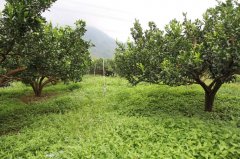
Orchard Sod Culture Techniques: Planting and Management Essentials
At present, many fruit growers engaged in organic and conventional cultivation have implemented sod culture, and their orchards present a scene of lush green, full of ecological beauty. However, implementing sod culture in orchards may bring quite a few troubles, such as possibly harboring disease vectors, competing with fruit trees for soil
-
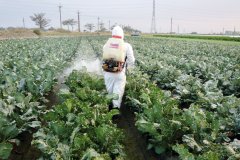
What causes plant pests and diseases? Tracing the origins of IPM crop production management techniques
IPM is not about setting absolute methods, but about finding the most optimized approach. Let's take a look together below. Cruciferous crops in their growth pattern often develop serious pests and diseases only near harvest time. Taking broccoli as an example, the head is covered by outer leaves, and pests easily hide within, leading to poor control
-

Is traceability certification not the main focus? Farm management system risk is the real key?
Traceability certification: certification does not equal obtaining a license; assessing farm management risk is the main focus. Let's take a look below. Obtaining the traceable agricultural products label requires passing third-party verification; auditing and sampling are unavoidable procedures, and extra fees are required, which puts farmers
-
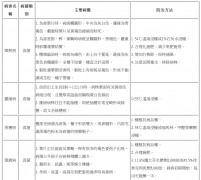
Foxtail Millet Cultivation Techniques: Field Management Measures and Pest and Disease Control Methods
Foxtail millet cultivation techniques and field management - do you know them? Soil selection and land preparation with basal fertilizer application, sowing and thinning, weed control and intertillage with earthing up - are you clear on all of these? And there is also pest and disease control - if you do not understand, let us take a look together. (1) Soil selection
-
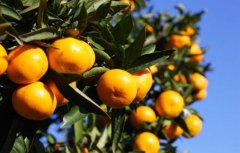
What should be done for the cultivation and management techniques of the citrus variety Fremont mandarin?
Master the timing and proportion of fruit thinning to grow good fruit. The Fremont mandarin is large and beautiful, so what should be noted when growing it in order to cultivate it well? As the weather gradually turns cooler, the citrus season has arrived again, and experienced gourmets begin searching the market
-
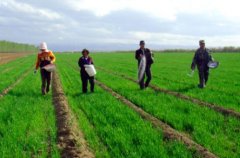
Is Laying Plastic Sheeting Useful in Field Management? Common Practices Explained in One Article
Do you know what the black plastic commonly seen in fields is for? Why do farmers lay a layer of black plastic? What are the benefits of doing so? Do you know? Let's take a look together. The presence of silver-black plastic sheeting is often seen in fields, with one plot after another completely covered to prevent
-
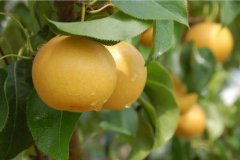
The pear with the greatest development prospects: what is organic pear tree cultivation and management like?
These days everyone talks about wanting to be healthy, and that is how organic fruits and vegetables came about. Today let us first take a look at what makes organic pears different and how they are cultivated. Arriving at "Risen Organic Shangjiang Pear Orchard" in Sanxing Township, Yilan, owner Liao Junqin is busy harvesting just-ripened
-
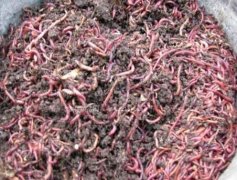
Key Management Techniques for Raising Earthworms in Open Fields in Winter
Earthworm farming now brings high economic returns, which has led many people to raise earthworms, so what are the key management points for earthworms, do you know? 1. Daily management should be done carefully, including checking temperature and humidity, egg laying and hatching, feeding conditions, pest intrusion and abnormal phenomena
-
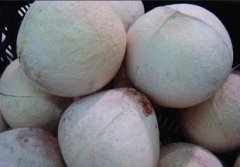
Symptoms, disease ecology, and management of sooty mold on coconut
What do the symptoms of sooty mold on coconut look like? What is its disease ecology? Would you like to learn about it? Symptoms: On the lower or upper surface of the leaves, black soot-like mycelium is produced; in severe cases it forms a whole black covering that blankets the leaves, seriously affecting the normal physiological function of the leaves.
-
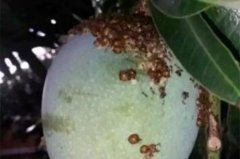
Symptoms, Damage and Control Methods of Coconut Scale Insects
What is the damage caused by the coconut pest Pseudaulacaspis? How should it be controlled? Ecological habits: there may be 10 generations per year, and 1 generation lasts about 33 days. It usually reproduces by parthenogenesis; the mother insect lays eggs under the scale around her body, the egg-laying period is 8 to 10 days, and each female can
条件筛选