Key Management Techniques for Raising Earthworms in Open Fields in Winter
Earthworm farming now brings high economic returns, which has led many people to raise earthworms, so what are the key management points for earthworms, do you know?
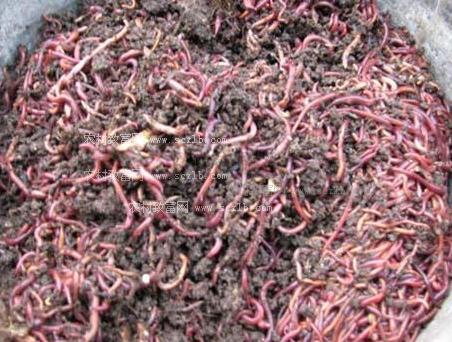
1. Daily management should be done carefully, including checking temperature and humidity, egg laying and hatching, feeding conditions, pest intrusion and abnormal phenomena, etc.
2. Removal of worm castings. The castings are deposited on the surface layer of the feed. When feeding, first gently scrape off the surface worm castings, gather the remaining feed and earthworms to one side, add a fresh layer of new feed, and cover the old feed on top.
3. Turn the material regularly. After the earthworms have been raised for about 1 week, turn the upper and lower layers of material over once, which helps aeration. Because the upper material is looser than the lower material, the earthworms like to live in the upper layer, making the utilization rate of the lower layer low. The specific method is to first clean out the castings, then turn the material, and then add feed.
Simple outdoor farming technique: although outdoor fly maggot farming has lower output than three-dimensional fly maggot farming, and is also not as stable as three-dimensional fly maggot farming, due to advantages such as low investment, quick results, no need for seed introduction, and no need to feed the flies, it has low cost and is currently the choice of most trainees.