-

Detailed Explanation of Key Management Techniques for Button Mushroom Cultivation
How do you manage button mushroom cultivation? What should you pay attention to? Netizens with experience are asked to help introduce this. Zhongdiwang has compiled management methods for cultivating button mushrooms, listed below for netizens' reference. 1. Nutrient management: The button mushroom is a saprophytic fungus and relies entirely on the nutrients in the compost to grow and develop...
-
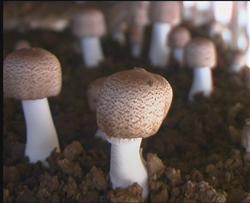
What are the post-harvest management methods for Agaricus blazei?
How do you manage Agaricus blazei after harvesting? Please note that it is more suitable to harvest Agaricus blazei when the fruiting body is 5-15 cm tall and the cap has not yet opened. In one cultivation cycle, Agaricus blazei can produce 3-5 flushes of mushrooms. After each flush is harvested, the mushroom stumps, fragments and other debris on the bed must be cleaned up thoroughly, new soil should be added to any depressions, watering should be stopped, and ventilation should be provided appropriately. Let the mycelium rest for 2-3 days, then resume watering to adjust moisture, cover with plastic film, and begin the fruiting management for the next flush.
-
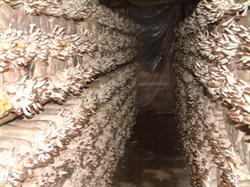
Fertilizer and Water Management Methods During the Fruiting Period of Enoki Mushroom Cultivation
How should fertilizer and water be managed during the fruiting period of enoki mushrooms? Please advise. Because during the fruiting period of enoki mushrooms it is not advisable to spray water directly onto the fruiting bodies and into the substrate, generally after harvesting 2 flushes of mushrooms the substrate becomes severely short of water, making it very difficult to fruit again. By changing the conventional management methods and timely strengthening fertilizer and water management during the fruiting period of enoki mushrooms, 3 to 5 flushes of mushrooms can be produced...
-
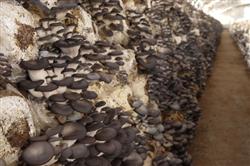
Key Technical Points for Summer Cultivation and Management of Oyster Mushrooms
How to manage oyster mushrooms in summer? Please explain the methods. For summer oyster mushrooms, you can refer to the following management methods: the mycelium block (bag) air-drying method. This method is relatively simple and labor-saving. Air-dry the mycelium blocks (bags) that have not fruited or have only produced 1-2 flushes (bags that have not fruited do not need to be opened), and place them in a cool, ventilated place. If placed...
-
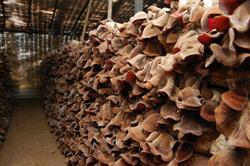
Detailed Explanation of Key Management Techniques for Oversummering Wood Ear Mushroom (Auricularia polytricha)
How to manage oversummering wood ear mushroom (Auricularia polytricha)? Please give an introduction. Oversummering wood ear mushroom (Auricularia polytricha) can be managed by referring to the following methods: 1. Making fungus logs. For soil-covered oversummering cultivation of wood ear mushroom (Auricularia polytricha), the inoculation time for making fungus logs should be postponed by 30-45 days compared with conventional spring cultivation, that is, from late April to early May. At this time, the temperature is 20-30°C, which is just suitable for...
-
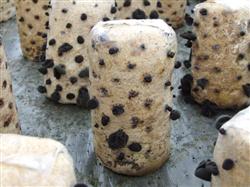
What are the key management points during the fruiting body stage of wood ear mushroom (Auricularia polytricha)?
What should be paid attention to during the fruiting body stage of wood ear mushroom (Auricularia polytricha)? Please give guidance. The fruiting body stage of wood ear mushroom occurs from May to October each year. To produce high-quality, high-yield wood ear mushroom, scientific management methods are very important. The key techniques for managing the fruiting body stage of wood ear mushroom are introduced below: 1. Temperature control. The temperature range for ear growth is...
-
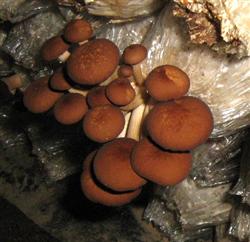
Detailed Explanation of Key Technical Points for Cultivation and Management of Tea Tree Mushroom
How to cultivate and manage Tea Tree Mushroom? Please introduce. Agrocybe aegerita, also known as poplar mushroom, columnar Agrocybe, willow pine mushroom, willow ring fungus, etc., is one of the newly developed edible mushroom varieties in recent years. The fruiting bodies of Agrocybe aegerita are delicious and fragrant, with a crisp and tender texture, and are rich in protein. It is one of the most popular edible mushrooms in Europe and Southeast Asia...
-
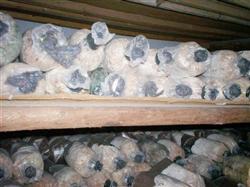
Key Management Techniques for the Incubation Period and Fruiting Period of Tea Tree Mushroom
How should the incubation period and fruiting period of Tea Tree Mushroom be managed? Please provide an introduction. For the management of the incubation period and fruiting period of Tea Tree Mushroom, the following methods can be referenced: 1. Incubation period management. After inoculation, the cultivation bags should be promptly moved into the incubation room for mycelial colonization management. The incubation room should be ventilated, dry, and light-proof. Before placing the cultivation bags, the space should be disinfected once...
-
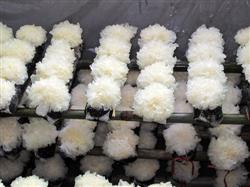
Detailed Explanation of the Key Technical Points for White Tremella (Silver Ear Mushroom) Cultivation and Management
How is white tremella cultivated and managed? Please provide a detailed introduction. The following methods can be referenced for cultivating and managing white tremella: 1. Equipment needed for white tremella cultivation. White tremella cultivation basically uses locally available materials and makeshift methods, so the equipment is relatively simple, including a culture room, a sterilization and disinfection stove (i.e., an earthen steaming stove), an inoculation box, and small tools....
-
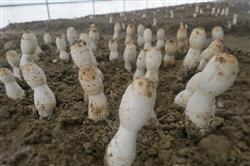
What Is the Shaggy Mane Mushroom? A Detailed Guide to Cultivation and Management
What is the shaggy mane mushroom, and how is it cultivated and managed? Please give an introduction. The shaggy mane mushroom, also known as the shaggy ink cap, belongs to the fungal kingdom, Basidiomycota, Agaricomycetes, Agaricales, Coprinaceae, Coprinus. Its flesh is tender and delicious. According to analysis, fresh mushrooms contain 92.2% moisture; every 100 grams of dried mushrooms contain 25.4 grams of crude protein,...
条件筛选