What Is the Shaggy Mane Mushroom? A Detailed Guide to Cultivation and Management
What is the shaggy mane mushroom, and how is it cultivated and managed? Please give an introduction. The shaggy mane mushroom, also known as the shaggy ink cap, belongs to the fungal kingdom, Basidiomycota, Agaricomycetes, Agaricales, Coprinaceae, Coprinus. Its flesh is tender and delicious. According to analysis, fresh mushrooms contain 92.2% moisture; every 100 grams of dried mushrooms contain 25.4 grams of crude protein,...
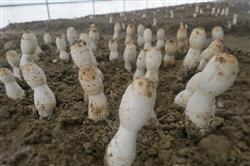
What is the shaggy mane mushroom, and how is it cultivated and managed? Please give an introduction.
The shaggy mane mushroom, also known as the shaggy ink cap, belongs to the fungal kingdom, Basidiomycota, Agaricomycetes, Agaricales, Coprinaceae, Coprinus. Its flesh is tender and delicious. According to analysis, fresh mushrooms contain 92.2% moisture; every 100 grams of dried mushrooms contain 25.4 grams of crude protein, 3.3 grams of fat, 58.8 grams of total sugars, 7.3 grams of fiber, and 12.5 grams of ash; the shaggy mane mushroom also contains 20 amino acids (including 8 essential amino acids for the human body).
The shaggy mane mushroom is a medicinal fungus. Sweet and smooth in taste, neutral in nature, it benefits the spleen and stomach, calms the mind, and treats hemorrhoids. Regular consumption helps digestion, increases appetite, and treats hemorrhoids. According to the "Illustrated Guide to Chinese Medicinal Fungi," the hot water extract of the shaggy mane mushroom showed inhibition rates of 100% and 90% against mouse sarcoma 180 and Ehrlich carcinoma, respectively. According to a report from Aston University, the shaggy mane mushroom contains active ingredients for treating diabetes.
In recent years, the United States, the Netherlands, France, Germany, Italy, and Japan have successively cultivated the shaggy mane mushroom successfully, and fresh mushrooms, dried mushrooms (sliced mushrooms), and canned mushrooms are all popular.
II. Cultivation Techniques for the Shaggy Mane Mushroom
1. Formula
Cottonseed hulls 85%, wheat bran 10%, calcium magnesium phosphate fertilizer 2%, lime 3%, moisture content 65%.
2. Bagging and Sterilization
After thoroughly mixing the raw and auxiliary materials, pack them into 17×33 cm low-density polyethylene mushroom bags, tie the bag openings, sterilize under 100°C steam for 8-10 hours, wait for natural cooling to about 60°C before removing from the stove, and move into the inoculation room.
3. Inoculation and Cultivation
Once the substrate drops below 30°C, inoculation can begin. Each bottle of mother culture can inoculate about 40 bags. After inoculation, move to the cultivation room and stack in wall-style layers of 4-5. Control the temperature at 22-28°C and keep the cultivation room clean and dry. Generally, the mycelium fills the entire bag in 35-40 days.
4. Bag Removal and Casing Soil
After the mycelium fills the bags, remove the bags and arrange them on mushroom beds about 1 m wide, with about 5 cm between the logs. Then fill the spaces between the logs with granular garden soil adjusted with lime water, water thoroughly with 0.5% lime water, and then cover with soil 3-4 cm thick, adjusting water until the casing soil has a moisture content of 18-20%.
5. Mushroom Emergence Management
About 10 days after casing, the mycelium climbs to the middle-upper part of the casing soil. At this point, spray a heavy watering, then strengthen ventilation to promote fruiting body formation. If mycelium climbs to the surface of the casing soil, cover it with fine soil particles.
6. Harvesting and Marketing
When the fruiting body of the shaggy mane mushroom opens its cap, the gills have already turned brown and black, and then the cap begins to autolyze, losing commercial value. Therefore, unlike other mushrooms, the shaggy mane mushroom must be harvested immediately at 3-4 maturity for good commercial quality and premium grade, and marketed or processed promptly.
III. Pest and Disease Prevention for the Shaggy Mane Mushroom
Diseases 1. Diehliomyces microsporus (also known as false "wood ear") is a malignant infectious disease prone to occur in shaggy mane mushroom cultivation. In the early stage, dense white cottony mycelium mostly appears within the casing soil. Then fruiting bodies of varying sizes resembling wood ears appear on the soil surface. Digging into the diseased substrate releases a strong bleaching powder smell, the shaggy mane mycelium autolyzes, and the substrate turns black. Control methods: ① Strictly select spawn; resolutely do not use any spawn showing suspicious signs. ② Casing soil must be taken from below 20 cm of topsoil and strictly disinfected. ③ Drench locally with concentrated lime water, stop watering, and after the local soil turns white, carefully remove and deeply bury it far away. 2. White plaster mold This disease is caused by acidic substrate. It generally occurs within 10-15 days after spawning. Initially, white patches of varying sizes form on the casing surface, resembling lime powder. When mature, the patches turn pink, and yellow powdery spore masses can be seen. Digging into the substrate reveals a strong foul odor, and the shaggy mane mycelium dies and rots. Control methods: ① Add 5% lime powder during substrate fermentation to adjust the pH to 8.15. ② Spray locally with 500 times carbendazim or 5% carbolic acid. ③ Strengthen ventilation and reduce the air humidity on the bed surface. 3. Coprinus competitive weeds The spores of these weeds enter the mushroom bed mixed in raw materials such as rice straw, and within 5-10 days a large number of Coprinus mushrooms appear on the bed surface, competing with the shaggy mane mushroom for nutrients. After their fruiting bodies decompose, they exude ink-like spore fluid and reproduce extremely quickly. Control methods: ① Use fresh, dry rice straw as substrate and adopt secondary fermentation to kill Coprinus spores. ② Remove Coprinus mushrooms promptly before the caps open and bury them deeply.
Insect pests 1. Mites There are many kinds of mites, mainly harming mycelium and fruiting bodies. When mite density is high, the shaggy mane mushroom cannot form fruiting bodies. Mites come from rice straw and poultry/livestock manure, prefer dark and humid environments, and reproduce extremely quickly. Control methods: ① Carefully clean up debris at the cultivation site before use and spray once with dichlorvos. ② When the fermentation temperature reaches 55°C, spray the surface of the compost pile with 2000 times propargite. ③ Regularly spray the mushroom yard with 1000 times dichlorvos or 2000 times karthane. 2. Mushroom flies Mushroom flies not only harm the fruiting bodies of the shaggy mane mushroom but are also the main culprits in spreading weed molds. The damaged substrate becomes bran-like, has a foul odor, and maggots can be seen crawling, with the mycelium being eaten. Control methods: ① Spray the ground and surroundings with 0.1% derris extract. ② Spray with 1500 times pyrethrum or 3000 times 2.5% cypermethrin. ③ Keep the site ventilated and clean. 3. Flea beetles These insects are indicator pests of an overly humid cultivation environment and poor sanitation. They often gather on the veil at the base of the cap and in the substrate. Affected fruiting bodies turn red and exude mucus, losing commercial value. Control methods: ① Improve sanitation at the cultivation site, prevent water accumulation and excessive humidity. ② Spray with 0.1% derris extract or pyrethrum.
Click to get more shaggy mane mushroom cultivation techniques
Click to get more edible mushroom cultivation techniques