-
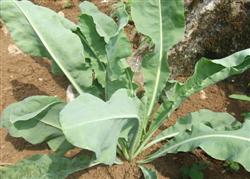
Detailed Explanation of Isatis Root Planting Management Methods and Technical Points
How to manage Isatis root planting? Please introduce the daily management methods. The daily management of Isatis root mainly includes field management and pest and disease control. For detailed methods, please refer to the following: Isatis root field management methods: When the seedlings are 7-10 cm tall, thin them out; when the seedlings are 12 cm tall, set the spacing, with a plant spacing of 7-10...
-

Overwintering management of Panax notoginseng, Coptis chinensis, Morinda officinalis, and Ligusticum chuanxiong
Panax notoginseng: In winter, when the leaves turn yellow and wither, cut off the above-ground stems and leaves about 3 cm above the ground, collect the dead stems and leaves, remove weeds and diseased plant residues from inside and outside the garden, and burn them all outside the garden to clean the field. Then spray the bed surface with 1:1:200 Bordeaux mixture or 0.2-0.3 degrees Baume lime-sulfur mixture to fully disinfect the soil. If exposed roots are found, add appropriate soil covering. In addition, after cleaning the garden in November, apply 2000 kg of decomposed mixed fertilizer per mu at the plant roots to protect the buds through the winter safely. Before the seedlings emerge
-
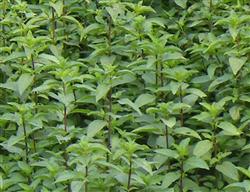
How to manage mint before and after emergence? Key technical points explained in detail
Based on many years of large-scale mint cultivation practice, effectively strengthening field management before and after the emergence of first-cut mint is an effective measure to achieve high yield, high quality and high efficiency. It can increase mint crude oil by l-1.5 kg per mu, with a net profit increase of about 100 yuan. 1. Clear ditches and improve soil moisture conditions to reduce field humidity. Mint is both afraid of drought and intolerant of waterlogging, and soil...
-
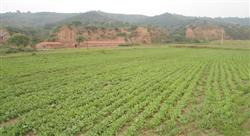
How do you manage skullcap (Scutellaria baicalensis) cultivation? Key technical points explained
How do you manage the cultivation of the medicinal herb skullcap (Scutellaria baicalensis) well? Does any netizen have advice to share? Zhongdiwang has compiled the management methods for the medicinal herb skullcap (Scutellaria baicalensis), listed below for netizens' reference. 1. Thinning and final thinning of skullcap (Scutellaria baicalensis): When the skullcap (Scutellaria baicalensis) seedlings are 5-7 cm tall, carry out thinning, and at the same time stagger the final thinning at a plant spacing of 6-8 cm, leaving...
-
How should field management be carried out after planting Paris polyphylla?
How should Paris polyphylla be managed after planting? What pests and diseases of Paris polyphylla need to be controlled? We also ask experienced readers to help share their knowledge. Zhongdiwang has compiled the management methods and pest and disease control measures after planting Paris polyphylla, and they are listed in detail below for readers' reference. Management after planting Paris polyphylla: Management point one, thinning of Paris polyphylla seedlings...
-
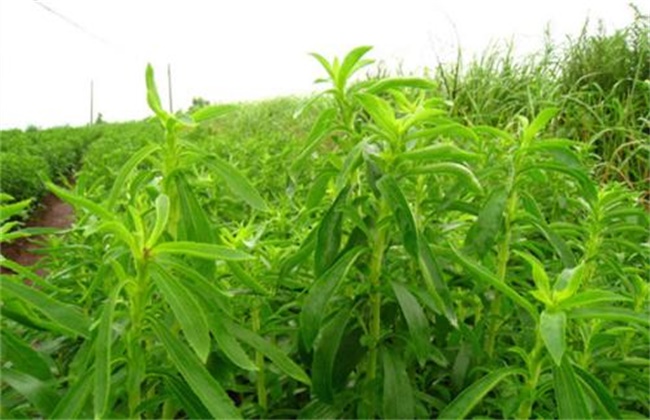
Key Points of Stevia Transplanting Techniques and Field Management Methods
Stevia Transplanting and Field Management
-
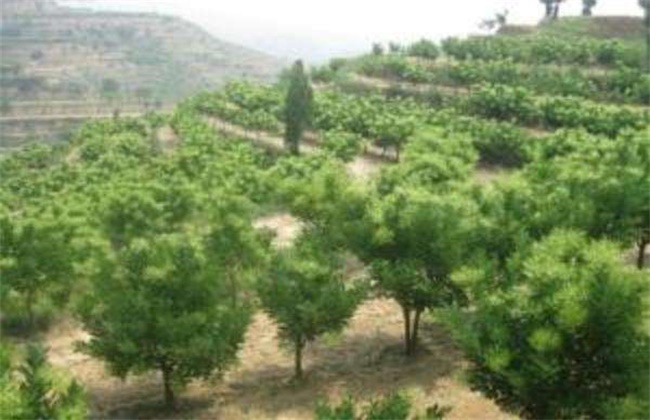
How to grow Sophora japonica flower buds? Detailed explanation of planting techniques and management methods
Sophora japonica flower bud planting techniques
-

What are the key field management techniques for Coptis chinensis?
How is field management carried out for Coptis chinensis?
-
Detailed cultivation techniques for Angelica sinensis: master the planting and management methods
Angelica sinensis is propagated by raising seedlings from seed and then transplanting. In lower-altitude areas (1500-1800 m), there is also autumn direct sowing harvested the following year, or spring direct sowing harvested the same year, but the yield and quality are lower. For the seedling bed, choose a cool and moist shaded slope or semi-shaded slope, a hollow or small basin that retains water but does not become waterlogged, rather than a dry, wind-swept ridge. The soil should be loose and fertile, free of stones, either large dark soil or black oil sand; generally, virgin wasteland is chosen for raising seedlings. On the leveled plot, make high beds 1 m wide, and in mid-to-late June, while the soil is moist, spread the seeds
-

Detailed Explanation of Comfrey Planting Techniques and Field Management Methods
Comfrey Planting Techniques
条件筛选