Key Points of Stevia Transplanting Techniques and Field Management Methods
Stevia is a sugar-producing plant with a simple cultivation method and high returns. At present, it is planted on a large scale in both northern and southern China. Because stevia seeds are scarce, seedling raising and transplanting are mainly used, which greatly restricts the development of stevia. Below, follow the editor to take a look at stevia transplanting and field management techniques.
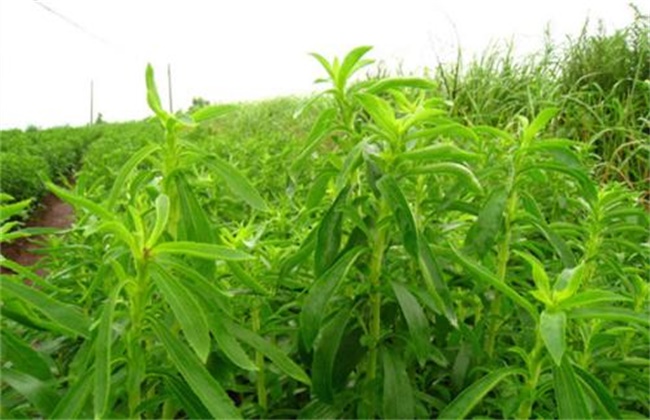
1. Land preparation and fertilization
The plot for planting stevia is best one where the previous crop was corn. Before land preparation, first spray a fungicide and insecticide once, then carry out autumn plowing and level it once with a combined harrow, and in spring harrow it lightly once more. When sowing is approaching, form ridges and apply fertilizer: apply 12.5-15 kg of diammonium phosphate and 7-8 kg of urea as base fertilizer, with a ridge width of about 70 cm, pressing while forming the ridges.
2. Transplanting
When the seedlings grow 6-7 pairs of true leaves, transplanting can be carried out. First open holes on the bed surface, with a hole depth of 5-6 cm, and control the plant spacing at about 11-12 cm. During transplanting, bury all the roots in moist soil. If drought occurs, watering is advisable. During transplanting, the roots should be spread out, not curled into a ball, and the first pair of true leaves should be exposed above the ground so that the seedlings can recover and branch as quickly as possible. Generally, about 8,500 plants are transplanted per mu.
3. Replanting and pinching off tips
After transplanting, they should not be left unattended. Patrol the field frequently. Once missing plants or broken rows are found, replant promptly, and try to choose seedlings of the same size as the original ones for replanting. After the seedlings survive transplanting, pinch off the tips immediately. When the seedlings grow to 20-24 cm, pinch off the tips again to remove the apical dominance of the seedlings, achieving the purpose of increasing branches, leaves, and yield.
4. Cultivation and fertilization
After the seedlings recover, carry out deep cultivation once in time, to a depth of 28-30 cm. This helps raise soil temperature and improve permeability, promotes root development, and can also store water and conserve soil moisture. Then carry out intertillage and hilling once to prevent lodging, raise soil temperature, and promote growth. While intertilling, manual weeding can also be combined once to eliminate weeds. Stevia is grown for its leaves, so the main focus should be on increasing leaf weight. Half a month after transplanting, apply 2-3 kg of urea per mu as topdressing. During the vigorous growth period of stevia, apply 5 kg of urea per mu.
The above is an introduction to stevia transplanting and field management. We hope it can help you. To learn more related knowledge, please stay tuned to us.