-
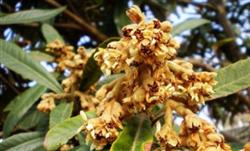
What pests and diseases affect loquat during the flowering period? A full breakdown of the common types
What pests and diseases affect loquat during the flowering period? How are these pests and diseases controlled? We would also welcome input from netizens who know about this. The main pests and diseases during the loquat flowering period generally include flower cluster rot, leaf spot disease, flat mites and other mites, the oriental fruit moth, the yellow tussock moth, and the peach fruit borer. If the above pests and diseases are not prevented and controlled in time, they will...
-
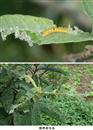
What are the methods for controlling pests and diseases of loquat?
What pests and diseases need to be controlled when growing loquat? Please provide an introduction and control methods. The pests and diseases that need to be controlled when growing loquat are: 1. Flower cluster rot. There are many causes of loquat flower cluster rot, but they are mainly due to two aspects: harmful organisms and climate. During the loquat flowering period (September-November), continuous autumn rain and high humidity accelerate the occurrence of flower cluster rot. Especially in the mid-to-late flowering period, the flower axis turns brown, soft and rotten, appearing mushy. When the diseased part is squeezed by hand, a viscous liquid flows out, and in the later stage the flower axis shrinks, dries up and appears wilted.
-
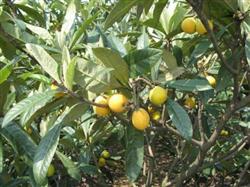
What are the key points of summer management techniques for loquat trees?
What management does a loquat tree need in summer? Please provide guidance. The main aspects of summer loquat tree management are as follows: 1. Clear the ditches: loquat roots are shallow and intolerant of waterlogging, so after the recent continuous rainfall, drainage ditches should be cleared in time. 2. Fertilization: it is best done within 7-10 days before harvest, with the amount accounting for...
-
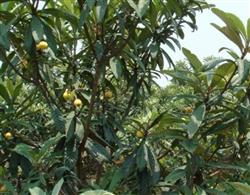
What are the management methods for loquat trees in June and July?
How should loquat trees be managed in June and July? Please advise. The main points for managing loquat trees in June and July are as follows: 1. Continue harvesting and selling the fruit. 2. Apply a heavy post-harvest fertilizer promptly after harvest. Apply it 5-10 days after harvest to replenish the tree's nutrients and promote flower bud differentiation and the sprouting and growth of summer shoots. The N, P, K ratio is generally 3:2:2 with quick-acting fertilizer and high-quality organic fertilizer, generally accounting for 30%; for trees with a heavy crop or weak vigor, more can be applied, accounting for 40-50% of the annual total. 100 jin of decomposed human and animal manure + 1.5 jin of potassium sulfate + 2 jin of calcium-magnesium phosphate fertilizer.
-
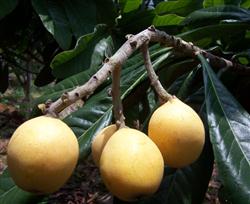
How should loquat be fertilized for more rational cultivation?
How should loquat be fertilized for rational cultivation? Please provide guidance. For growing loquat, you can refer to the following fertilization methods: (1) Fertilizer amount and number of applications. Commonly used fertilizers for cultivating loquat include human excreta, livestock and poultry manure, cake fertilizer, compost, garbage fertilizer, burnt soil and chemical fertilizers. According to the mineral nutrient requirements of loquat growth and development...
-
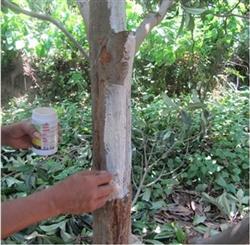
What are the key management techniques for loquat after fruit harvest?
How should loquat be managed after fruit harvest? Please give an introduction. After loquat harvest, the following methods can be used for management: cultivating and loosening the soil. During loquat harvest, due to human trampling, the orchard soil becomes compacted, which is not conducive to root growth; during the plum rain season, it is prone to breeding weeds that compete with loquat for fertilizer and water. Therefore, after fruit harvest, timely cultivating and loosening the soil can alleviate these problems...
-
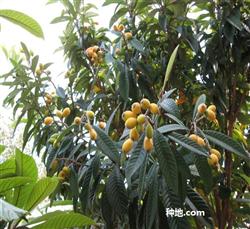
How to fertilize loquat scientifically? Master these technical points
How to plant loquat trees for high yield? What are the tips? Loquat is the earliest fruit variety to ripen in the year. High-quality loquat has large fruit, few seeds, bright orange-red skin, soft and juicy flesh, moderate sweet-sour taste, unique flavor and rich nutrition, with effects such as clearing heat, moistening the lungs, relieving cough and strengthening the stomach. In recent years, high-quality loquat...
-
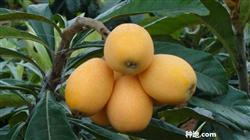
How to Grow Loquats for a Bountiful Harvest: Key Planting Techniques Explained
How can you grow loquats for a bountiful harvest? Here are the aspects to pay attention to. For growing loquats, you can refer to the following: Loquats are not only nutritious and have a unique flavor, but they also ripen during the off-season for fruit, making them sell well on the market. Therefore, cultivating loquats offers good economic returns. To achieve a bountiful loquat harvest, in addition to selecting good varieties, you should also focus on...
-
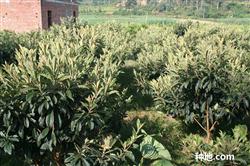
What are the pest and disease control methods for loquat trees?
How do you control pests and diseases when growing loquat? Which season needs more attention? When growing loquat, focus on the control of anthracnose and the peach fruit moth. 1. Anthracnose. Anthracnose mainly damages the fruit, and in some years the leaves and young shoots are also severely affected. In some years the disease is very severe, and in others very mild. The fruit at the initial stage of the disease...
-

How to grow loquat trees for high yield? Key planting techniques explained
How to grow loquat trees for high yield? What kind of management is needed? Loquat fruit ripens in early summer during the off-season for fruit supply. Planting improved large-fruited loquat varieties can bear fruit and come into production in 2-3 years, with yields of around 1500 kg per mu during peak season and income exceeding 10,000 yuan. 1. Suitable site and good varieties According to market demand for improved large-fruited loquat and...
条件筛选