-
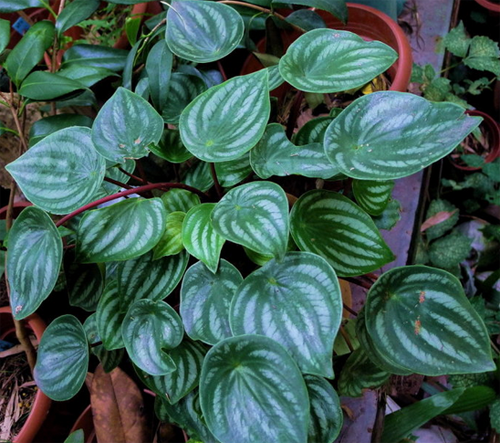
Does Peperomia argyreia like water? A detailed guide to growing it
When it comes to Peperomia, Peperomia argyreia is certainly the more popular one. This Peperomia grows looking just like a watermelon rind, stripes and all, just that stubborn, exactly like a watermelon rind. So what is the growing method for Peperomia argyreia? Does Peperomia argyreia like water? Or does it prefer drought?
-
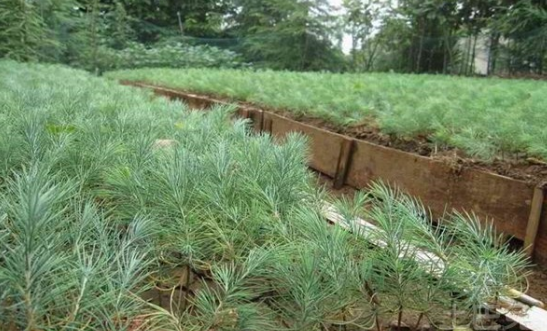
What Does a Cedar Look Like? Appreciation of Seedling and Bonsai Pictures
1. What does a cedar look like? A cedar looks like a pyramid. 2. It looks like a white-haired old man, waiting to welcome the children coming out of school. It looks like an umbrella of alternating white and green, holding up a pure stretch of sky for passersby. Tall cedars look like proudly standing warriors.
-
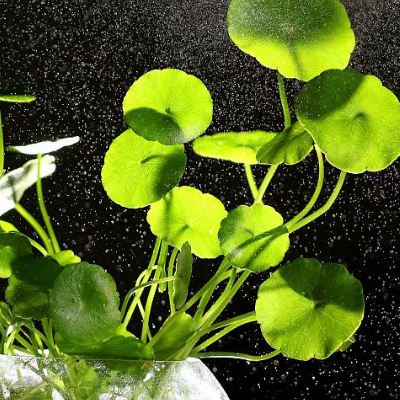
How to grow potted pennywort (Hydrocotyle vulgaris) into a full, overflowing pot? Mix the flower soil like this
Pennywort (Hydrocotyle vulgaris) is something many people love to grow, and most households have one. How to grow potted pennywort into a full, overflowing pot: 1. Flower soil selection: The flower soil used for pennywort should be a mix of leaf mold, river mud, and garden soil in a volume ratio of 0.5:2:2. Besides soil culture
-
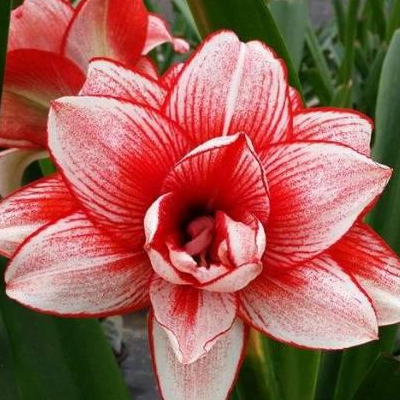
How do you grow Amaryllis so it blooms big and has good color? Treat it like this after flowering
Amaryllis, this is something many people like to grow, and amaryllis is just that popular. How do you grow amaryllis so it blooms big and has good color? How to treat amaryllis after it blooms: How to grow amaryllis so it blooms big and has good color: 1. Water: Amaryllis needs to keep the plant moist, and watering should be thorough
-
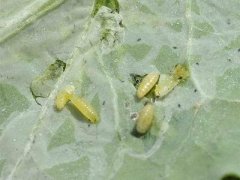
Damage symptoms of flower leafminer flies and identification of larval morphology
What are the damaging habits of the Liriomyza leafminer, and what does it look like? Do you know? Would you like to learn about it? Let's take a look together. Damaging habits: Adults lay eggs inside the leaf mesophyll, and the larvae first mine and feed beneath the epidermis on the light-facing side of the leaf, creating grayish-white feeding marks on the leaf.
-
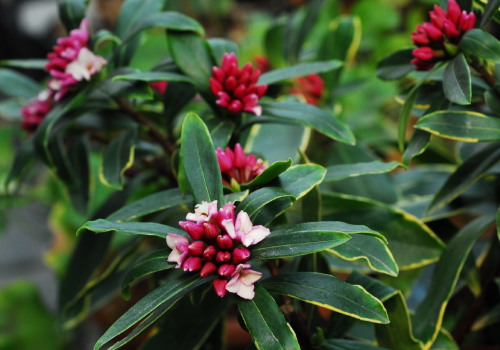
How to care for Daphne odora 'Aureomarginata' in winter? After-bloom care like this
Daphne odora 'Aureomarginata' blooms in spring each year, and generally blooms only once. How to care for Daphne odora 'Aureomarginata' in winter? After-bloom care: How to care for Daphne odora 'Aureomarginata' in winter: Move it indoors; the safe overwintering temperature for Daphne odora 'Aureomarginata' is above 5°C, so during the day it can be placed at a south-facing window to receive sunlight.
-
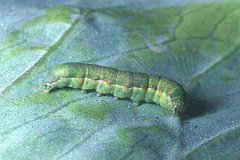
What do beet armyworm larvae and adults look like? A detailed breakdown of their morphological features
We know that the beet armyworm is a pest, but do you understand its ecological habits and morphology? Let's take a look together. Ecological habits: The adult beet armyworm hides by day and comes out at night, resting on the undersides of leaves or in dark places during the day, and beginning activity and mating after sunset.
-
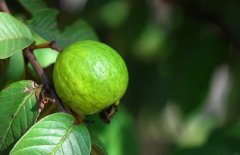
What does scab disease look like on guava fruit, and what medicine is used for guava scab disease
What do the symptoms of guava scab disease look like, and how should it be treated, do you know? Let us take a look together. Symptoms: When initially infected, the lesions are round and slightly raised, and the surface of the lesions is rough with cracks, like scab, brown, with the edges a light brown or earthy yellow color, large
-

What does Polygonatum look like? A detailed introduction to the morphological characteristics of Polygonatum
Polygonatum is a perennial herb. The rhizome is horizontal, fleshy, and pale yellow, sometimes with a protruding tip resembling a chicken's head. The stem is erect, 50-90 cm tall. The leaves are whorled, 4-6 per whorl, linear-lanceolate, 8-15 cm long and 04-1.6 cm wide, with curled tips. The flowers are axillary, usually in 2-4 small flowers, drooping, with the peduncle 1-2 cm long; the perianth is tubular, white to pale yellow, 0.9-1.2 cm long, with 6 shallow lobes at the tip, 6 stamens, the filaments relatively short, 0.5-1 mm long, and the style length
-
Which Feeds Are Likely to Poison Pigs? Pig Farmers Must Pay Attention
Pig feed poisoning can occur in all four seasons, but is more common in spring, summer and autumn. Mild poisoning affects growth and development, while severe cases can lead to death. Prevention should be strengthened at ordinary times, and the following feeds must not be used for feeding: 1. Already sprouted potatoes and their stems and leaves. Because the germ contains a large amount of solanine, it can cause toxic paralysis. 2. Fresh tender sorghum seedlings, corn seedlings and fresh flaxseed. They often cause hydrocyanic acid poisoning due to a high content of cyanogenic glycosides. 3. Moldy and deteriorated formula feed, mixed feed, grains, bran, beans, tubers and moldy oilseed meal, etc.
条件筛选