-
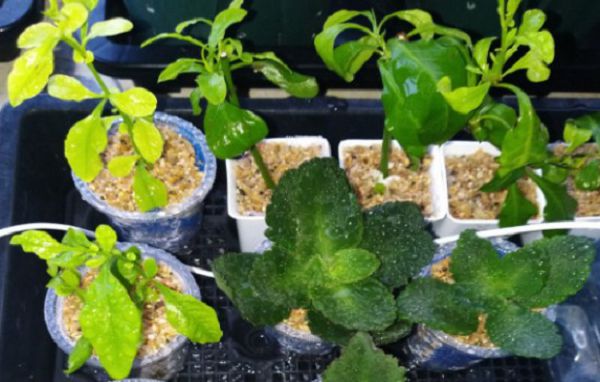
Can Kalanchoe stem cuttings use ordinary soil? Choose the cutting soil like this
Can Kalanchoe stem cuttings use ordinary soil?
-
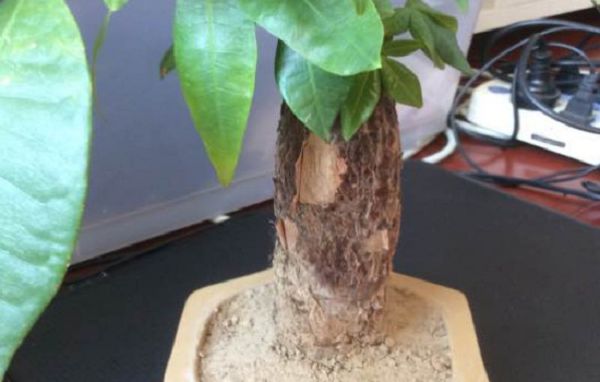
What to do when a money tree's trunk dries out and peels? Treat it like this right away
When a money tree's trunk dries out and peels, treat it like this right away
-
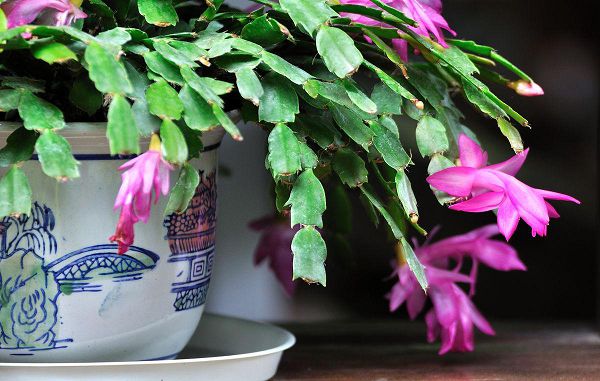
Banana peels work wonders for plants, making flowers and greenery grow like they've been given medicine
Banana peels have so much power; using them for plants is like giving them medicine, they grow like crazy
-
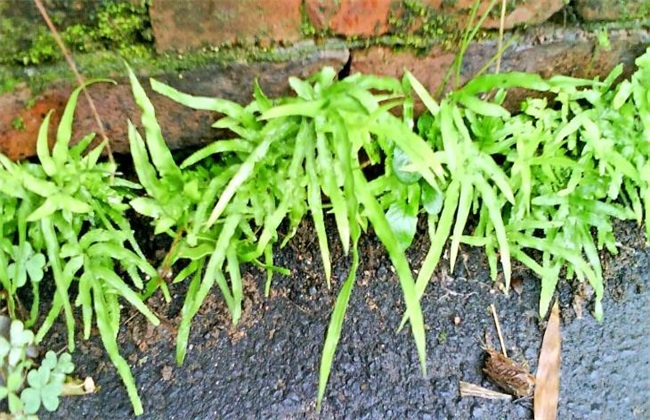
What kind of growing environment does the Chinese brake fern (Pteris vittata) like?
Growing environment of the Chinese brake fern
-
-

What does a pomegranate flower with "a tower upon a tower" look like? A detailed explanation of the flowers and trees in Dream of the Red Chamber
Author: Jiang Chunlin "Cuilü said: 'There is a pomegranate over on their side, with four or five branches in succession; it really is a tower upon a tower. It's remarkable that it has grown that way.' Shi Xiangyun said: ...
-

How to Grow Cherry Blossoms So They Bloom Like Clouds and Rosy Clouds
Cherry blossoms are famous ornamental flowering trees that bloom in early spring. They are extremely beautiful; at peak bloom, the whole tree is a riot of flowers, like clouds and rosy clouds. Strengthen management measures to make cherry blossoms bloom abundantly and gorgeously. 1. Fertilizing should be appropriate. Cherry blossoms are fertilized twice a year, and acidic fertilizers are best. One is winter fertilizer, applying organic fertilizers such as soybean cake, chicken manure and decomposed fertilizer in winter or early spring; the other is after the flowers fall, applying quick-acting fertilizers such as ammonium sulfate, ferrous sulfate and superphosphate. 2. Pruning and care. Pruning mainly involves cutting off withered branches, leggy branches, overlapping branches and diseased and pest
-
What kind of growing environment does the garden balsam (Impatiens balsamina) like?
It prefers sunny, warm and humid environmental conditions; it is not cold-hardy, tolerates shade, and fears frost. It adapts well to soil and does not need very high fertility; it grows luxuriantly in moist, well-drained soil. It dislikes drought, otherwise it will wilt and cause leaves to drop. Light and temperature: it likes light and also tolerates shade, and needs to receive at least 4 hours of scattered sunlight every day. In summer, shade it to prevent excessively high temperatures and blazing sun exposure. The suitable growing temperature is 16-26°C, and during the flowering period the ambient temperature should be kept above 10°C. In winter it should be moved into a greenhouse to prevent freezing.
-
What kind of growing environment does oleander like?
It likes sunny, warm and humid environmental conditions. It is relatively cold-tolerant, slightly shade-tolerant, slightly alkali-tolerant, tolerant of drought and poor soil, and intolerant of waterlogging; it has a certain resistance to toxic gases such as smoke and dust and sulfur dioxide. It is suitable for growing in fertile, loose, well-drained slightly acidic to slightly alkaline soil. Light and temperature: potted oleander needs to be brought indoors to overwinter, with the room temperature kept above 5°C, placed in a spot by a window with full sunlight. Generally it is moved into the greenhouse around October 20 and moved out of the greenhouse around April 20. After being moved out, it should first be placed in a wind-sheltered, sunny spot, then gradually
-
Pyracantha bonsai is fiery red like fire, with high ornamental value
Pyracantha is also known as "torch fruit", "flame tree" and "soldier-saving grain". Growing wild throughout the Yunnan, Guizhou and Sichuan regions, it can be found all over the mountains, and people have long dug it up for potting and made it into bonsai for ornamental display. Its presence is also seen at the border area of northern Guangdong with Hunan and Jiangxi. After three to five years of large-scale seedling cultivation, there is a medium-to-upper-grade raw material with a circumference of twenty to thirty cm, and the resource is abundant, which is truly a good thing for closing mountains for afforestation and protecting the environment. Seedling stock can be made into all kinds of bonsai more freely and with ease. Although it is not as "wild in flavor" as wild stock, its elegance has a different
条件筛选