-
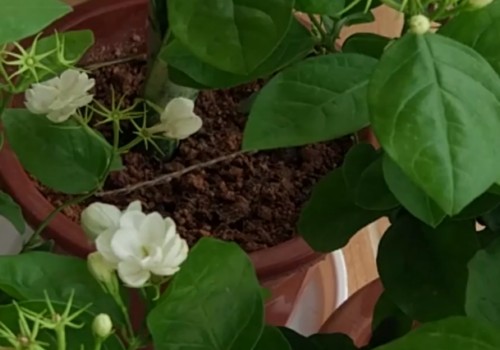
Reasons and Solutions for Jasmine Blooming Less or Not Blooming at All
The jasmine plant gives people the impression of green leaves and white flowers, accompanied by a faint fresh fragrance. Jasmine has a particularly long flowering period, from late spring and early summer to late autumn and early winter, its blooming figure can often be seen. But if we care for it well, we can even achieve blooming in all four seasons. However
-
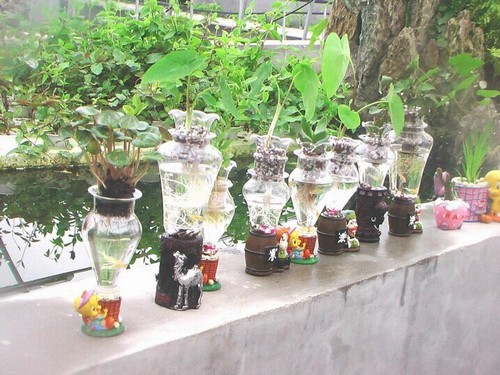
A Detailed Guide to Soilless Culture Techniques for Household Flowers and Bonsai
The soilless culture technique for flowers and bonsai is a new technique in which perlite, vermiculite or other lightweight gravel (do not use decaying plant matter, such as sawdust, cottonseed hulls and other organic humus, as the growing medium) is placed in a flower pot, and then an inorganic salt nutrient solution is added to grow flowers. The nutrient solution contains a variety of disinfecting agents
-
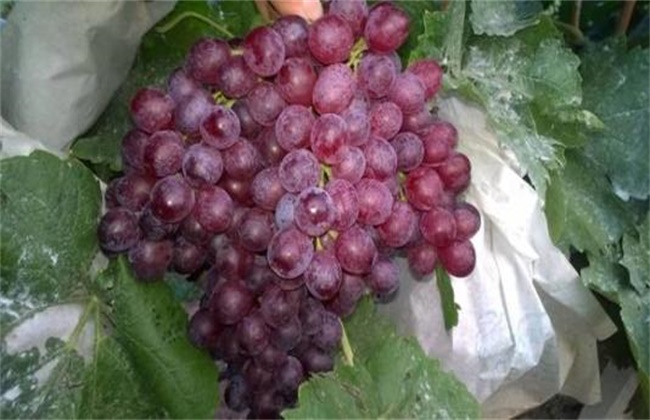
Detailed Explanation of Key Techniques for High-Yield Cultivation of Ruby Seedless Grapes
High-Yield Cultivation Techniques for Ruby Seedless Grapes
-
Are Seedless Wampee Fruits Really Seedless? A Full Breakdown of Their Characteristics, Advantages and Taste
Many people find that seedless wampee fruits turn out to have seeds, and that was the case for me at first too. This time, because of the unusual weather last winter, only one of my four or five wampee varieties flowered and set fruit, and it later turned out that this one really is seedless. Last year the same tree set fruit with many seeds,
-
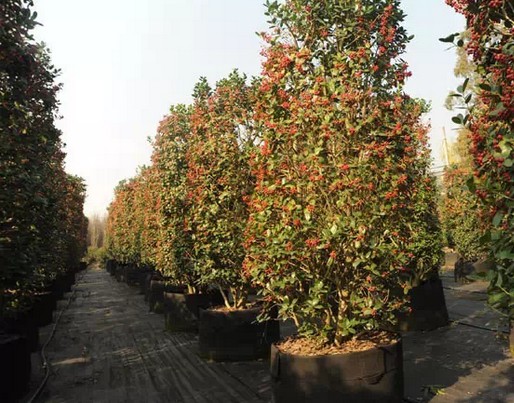
Christmas holly is the thornless Chinese holly bonsai
At Christmas, many people choose a pine tree to "plant" at home as a Christmas tree, then decorate it with ribbons and balloons and place gifts under it. In fact, pine is not the best choice; the thornless Chinese holly (Ilex cornuta) is the Christmas tree variety commonly used in European and American countries, because it is a mix of Christmas red and holly green. It does not have the national beauty and heavenly fragrance of the peony
-
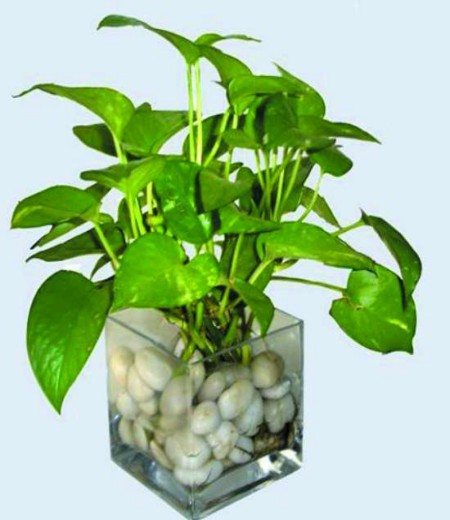
What are the advantages of soilless cultivation techniques for bonsai
Soilless cultivation of bonsai is a cultivation method in which bonsai plants are planted in certain inorganic substrates and regularly watered with nutrient solution. Compared with traditional soil cultivation, soilless cultivation of bonsai has many advantages and will become an important symbol of the modernization of bonsai production
-
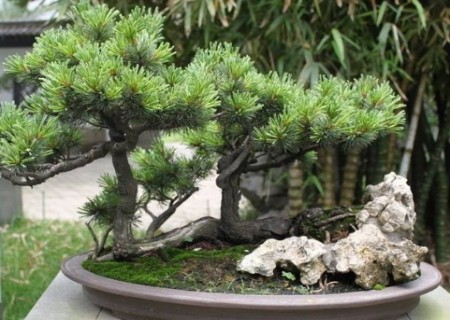
There are rules for placing an Ageless Pine bonsai; these taboos should be avoided
Pine trees are drought-tolerant and cold-resistant, and can grow healthily even in harsh environments such as rock crevices. They are a tree species praised throughout ancient and modern times and can represent longevity. Among folk sayings there is the one that goes, "May blessings be as the ever-flowing waters of the East Sea, and may longevity be as the Ageless Pine of the Southern Mountain." The ancients often used it as an antiseptic material for preserving corpses. The Ageless Pine is also called the dragon blood tree
-

Jackson Wang and Wang the Lucky Koi bring you college entrance exam blessings, how about that?
First, let's celebrate some good news. Our Longlong and Little Dawn have both achieved great results. Singer Wang is awesome. Longlong's views have surpassed 20 million! Little Dawn also won 6 consecutive Billboard crowns (*^ω^*) Jackys, let's all be Jiajia's strongest support ?(?) ? Please, Go Fridge is piping hot...
-
What is the acidless sweet orange mutant variety like? What characteristics and features does it have?
The acidless sweet orange is a pink-fleshed (lycopene) sweet orange; very sweet, almost acidless. The pink color is present only in the albedo adjacent to the rind and in the flesh. It may be interesting as an ornamental, but the flavor is poor - very bland, almost acidless. January (1/1
-

Fresh-keeping extraction technology adds value to agricultural products; the good water of Hualien and Taitung offers endless potential for rice shrimp farming
The Eastern Industrial Technology Service Center of the Ministry of Economic Affairs invited institutions such as the Taiwan Agricultural Research Institute and the Food Industry Research and Development Institute to share technological resources and help farmers in eastern Taiwan grasp technology trends and production and marketing channels. The course "n Possibilities for Industrial Upgrading Across New Knowledge" attracted
条件筛选