What are the advantages of soilless cultivation techniques for bonsai
Soilless cultivation of bonsai is a cultivation method in which bonsai plants are planted in certain inorganic substrates and regularly watered with nutrient solution. Compared with traditional soil cultivation, soilless cultivation of bonsai has many advantages and will become an important symbol of the modernization of bonsai production. Soilless cultivation of bonsai has six major advantages:
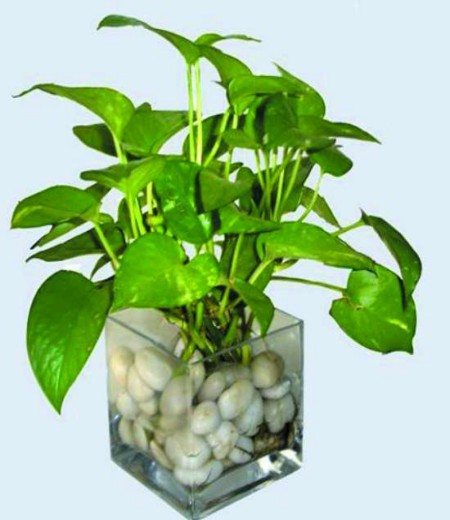
1. Fast growth, short cycle, high quality; bonsai plants grow robustly with well-developed root systems. Soilless cultivation has a clear growth-promoting effect on bonsai plants such as Chinese juniper (Juniperus chinensis), deodar cedar (Cedrus deodara), yew (Taxus), Bhutan cypress (Cupressus torulosa), redbud (Cercis chinensis), Sageretia thea, small-leaved banyan (Ficus microcarpa), azalea (Rhododendron), Serissa japonica, firethorn (Pyracantha), and Chinese boxwood (Buxus sinica), and it can also enhance the cold resistance, heat tolerance and resistance of bonsai plants to pests and diseases, improving the ornamental effect of bonsai.
2. Non-toxic, odorless, sterile, clean and hygienic. Soilless cultivation of bonsai does not use soil or organic fertilizer. It does not pollute the surrounding environment, making it more suitable for indoor decoration in hotels, restaurants, offices and homes, which is conducive to the popularization of bonsai and allows bonsai to enter thousands of households. Soilless cultivation of bonsai can completely eliminate harmful bacteria and insect eggs, allowing plants to be cultivated under sterile or low-bacteria conditions. Both the soilless cultivation substrate and the nutrient solution are sterile and free of hidden dangers from pests and diseases.
3. It creates favorable conditions for earning foreign exchange through bonsai exports. Bonsai is a flagship product of China's flower production and exports and holds an absolute advantage in the international market. However, some countries such as the United States, Japan, the Netherlands and Australia do not allow entry of items with soil, which restricts the export of Chinese bonsai. Soilless cultivation of bonsai completely solves these problems and provides technical assurance for smoothly passing customs quarantine inspections. In addition, the weight of soilless bonsai is greatly reduced, making it easy to carry and providing favorable conditions for the bulk export of bonsai.
4. It can give full play to the shallow and distinctive style of bonsai. Bonsai plants do not rely on soil for growth but use nutrient solution; therefore, the substrate can be reduced to a minimum, and the pot can be shallower, thereby further highlighting the ornamental effect of the scenery. Due to the microporosity of the substrate, the pot can be made of more exquisite materials, making the bonsai more beautiful and elegant.
5. It reduces labor intensity and saves labor. Soilless cultivation of bonsai simplifies procedures such as repotting, changing soil and weeding during cultivation, and it is easy to carry, greatly saving labor.
6. It opens up new prospects for factory-scale production of bonsai and the application of computers.