There are rules for placing an Ageless Pine bonsai; these taboos should be avoided
Pine trees are drought-tolerant and cold-resistant, and can grow healthily even in harsh environments such as rock crevices. They are a tree species praised throughout ancient and modern times and can represent longevity. Among folk sayings there is the one that goes, “May blessings be as the ever-flowing waters of the East Sea, and may longevity be as the Ageless Pine of the Southern Mountain.” The ancients often used it as an antiseptic material for preserving corpses.
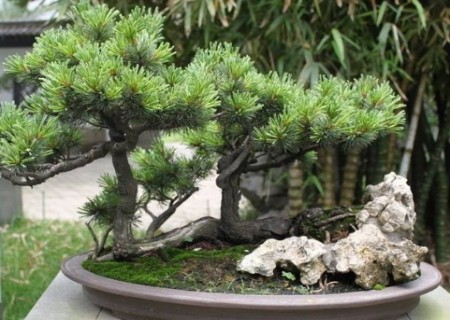
The Ageless Pine is also called the “dragon blood tree,” named because it can secrete bright red sap. Because it appeared in ancient times, it is often called a living fossil of the plant kingdom and has been listed by the world UNESCO organization as a protected tree species. The Ageless Pine has a graceful plant shape and rich leaf colors. It is a beautiful foliage plant and is often placed in places for commemorating ancestors and worshipping gods and Buddhas. So, what taboos are there for placing an Ageless Pine bonsai?
Obviously, placing it indoors is certainly not acceptable. Only when an elderly person in the family has passed away can an Ageless Pine bonsai be placed to serve a commemorative role, and the implied meaning expressed is that the elderly person had upright conduct, was pure and noble, like a towering pine; this is a symbol of praise. But if no one in the family has passed away, then naturally an Ageless Pine bonsai cannot be placed, and this plant can also give off an odor that makes people feel uncomfortable.
It can be seen that the issue of placing an Ageless Pine bonsai is very particular, and it cannot be placed casually just because it is beautiful and highly ornamental. In fact, Ageless Pine bonsai are mostly placed in temples, ancestral halls and other such places to pay homage to ancestors or gods and Buddhas.