-

What are the subsidy guidelines for organic farmers' markets?
Ecological farms are mostly far from the noisy city, and only this way can agricultural products be well produced. So what are the subsidy guidelines for guiding the establishment of organic and friendly farmers' markets? Let's take a look together. 1. Purpose: The Agriculture and Food Agency of the Council of Agriculture, Executive Yuan, in order to guide local govern
-

Key Cultivation Techniques for Wide-Film Intercropping of Linear Chili Pepper with Cumin
Linear chili pepper is grown with wide-film flat mulching and intercropped with cumin; the chili pepper yield remains stable, and cumin is also harvested, achieving the goal of two harvests per year. I. Pre-Sowing Preparation 1. Field Selection Choose autumn-plowed and winter-irrigated land with good soil texture and moisture; the previous crop is best as a gramineous crop. 2. Seed Preparation Before sowing, treat chili pepper seeds with warm water at 55-60°C for soaking, or dress with 0.3% dexon to prevent seed rot and seedling-stage diseases; select Turpan large-grain cumin or local farmer varieties from the Yanqi Basin, and before sowing use 10% salt
-
Detailed Explanation of Efficient, High-Quality Breeding and Safe Production Technology for Hybrid-line Pigs
I. Technology Introduction: Based on Meishan pigs, combined in a hybrid cross with Pietrain, Duroc, Large Yorkshire and Landrace, this technology makes use of the Meishan pig's delicious meat and high reproductive capacity, the Pietrain's high lean meat percentage, and the fast growth and high feed conversion efficiency of Duroc, Large Yorkshire and Landrace. Without lowering production efficiency, it can raise production efficiency by improving meat quality, meet the market's new demand for meat flavor, and achieve "high efficiency, high benefit" production in the pig-farming industry. Hybrid-line meat pigs 160
-
-
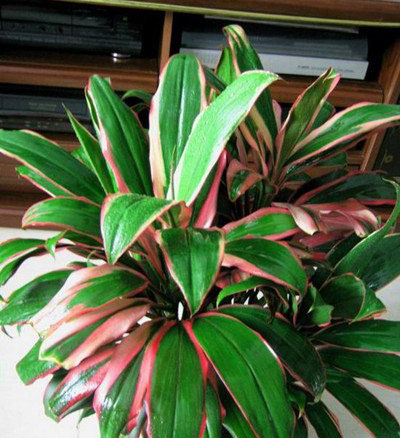
A detailed guide to the propagation methods of the three-colored cordyline, easy to learn at a glance
The three-colored cordyline, also known as the three-colored ti plant, is an evergreen shrub in the Agavaceae family. It prefers a warm, humid and semi-shaded environment and fears direct strong light. Its optimum growth temperature is 20-25°C. It is not cold-tolerant and fears waterlogging. It is suited to loose, fertile, well-drained, slightly acidic sandy loam. The three-colored cordyline is commonly propagated by cuttings.
-
Chinese trumpet vine bought online won't bloom, and the cause is often insufficient light
Everyone is probably familiar with the Chinese trumpet vine (Campsis grandiflora). Its flowers are trumpet-shaped and richly colored, making it an excellent choice for home growing and a favorite among flower lovers. However, friends who want to grow Chinese trumpet vine often run into problems, such as: why won't the Chinese trumpet vine bought online bloom? The beauty of the Chinese trumpet vine is all in its blooming
-
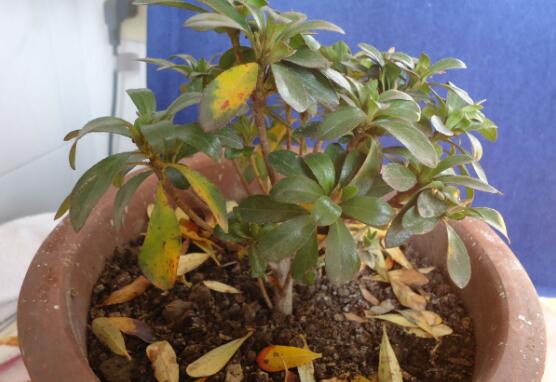
What to do when azaleas drop their leaves? Too little fertilizer, too much watering, and soil turning alkaline are the main causes
The beauty of the azalea needs no lengthy description; anyone who has seen one knows it. Its flame-like flowers are truly delightful. However, during cultivation, azaleas can develop various problems for all sorts of reasons, such as yellowing leaves and leaf drop. So what should you do when an azalea drops its leaves?
-
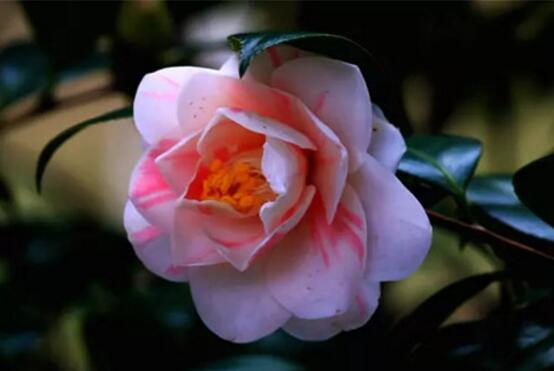
Camellias fail to bloom mostly because the temperature is too low, the air is too dry, the soil is too alkaline, or fertilizer is applied too frequently
As one of China's top ten famous flowers, the camellia has a long blooming period, gorgeous flowers and a captivating fragrance, and is welcomed and loved by people. However, if you do not follow the proper camellia growing methods, the camellia will also fail to bloom, and then you will be in trouble! So why do camellias fail to bloom? The following are two situations in which camellias fail to bloom
-
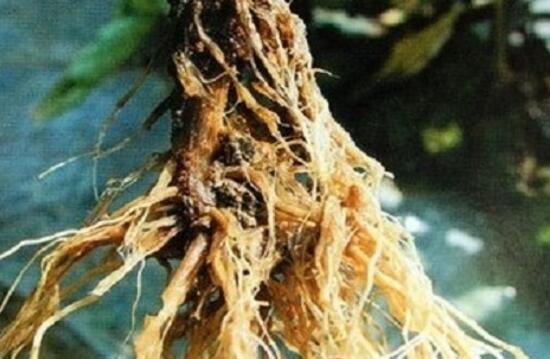
What causes root rot in camellia sasanqua? Overwatering, frequent fertilizing, and alkaline potting soil are the key issues
Camellia sasanqua (sasanqua camellia), with its beautiful leaves and bright, lovely flowers, is welcomed and loved by a wide range of people, and many grow it in their homes. However, during the growing process, many flower enthusiasts often run into root rot. So what causes root rot in camellia sasanqua? How do you treat root rot in camellia sasanqua? Here, let us explain it for you.
-
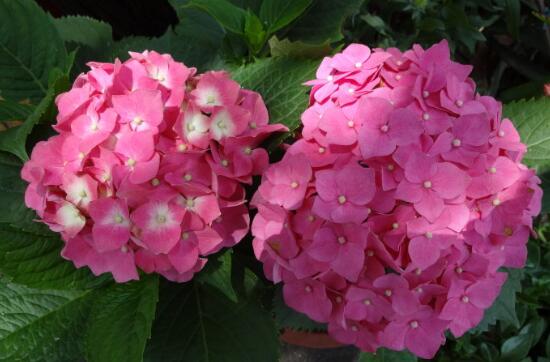
How to change the color of hydrangeas? Fertilize at the right time; acidic soil turns them blue, alkaline soil turns them red
The beauty of hydrangeas lies in their ball-shaped blooms, and even more in their rich range of flower colors. Gardeners who have grown hydrangeas know that you can change their color: depending on the soil's acidity or alkalinity, you can turn them red, blue or purple. As for how to change the color of hydrangeas, most gardeners probably don't know
条件筛选