What causes root rot in camellia sasanqua? Overwatering, frequent fertilizing, and alkaline potting soil are the key issues
Camellia sasanqua (sasanqua camellia), with its beautiful leaves and bright, lovely flowers, is welcomed and loved by a wide range of people, and many grow it in their homes. However, during the growing process, many flower enthusiasts often run into root rot. So what causes root rot in camellia sasanqua? How do you treat root rot in camellia sasanqua? Here, let us explain it for you.
1. What causes root rot in camellia sasanqua? Look at the symptoms to find the cause
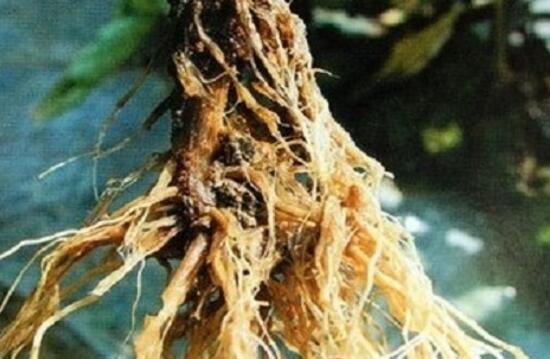
The roots of camellia sasanqua are fleshy roots. If we do not grow it according to the proper methods for camellia sasanqua, root rot symptoms easily appear. So what causes root rot in camellia sasanqua? Let us first look at the symptoms and causes of root rot in camellia sasanqua, and then look at how to treat it.
(1) Symptoms and causes of root rot in camellia sasanqua
1. Soil on the alkaline side / unsuitable flower pot
Camellia sasanqua prefers loose, fertile, well-draining, slightly acidic soil. If the potting soil is chosen improperly, camellia sasanqua is very prone to root rot. This mainly includes two aspects: soil and repotting.
① Soil: According to the growth habits of camellia sasanqua, if the soil is on the alkaline side, or is not loose and airy enough, root rot symptoms easily appear. So when choosing potting soil, do not choose highly alkaline soil. In addition, the soil needs to be loose and airy and rich in humus, so as to reduce the occurrence of root rot.② Flower pot: Besides soil causing root rot in camellia sasanqua, the flower pot may also be the problem. Generally, for growing camellia sasanqua, an earthenware pot is best, followed by a purple clay pot; a porcelain pot is relatively unsuitable. If the size of the flower pot is not suitable for the camellia sasanqua root system to spread out, it is prone to root rot.
2. Too much or too concentrated fertilizer
Camellia sasanqua has low fertilizer requirements. Once we fertilize too much, too frequently, or too concentratedly, it can all lead to root rot in camellia sasanqua, so it is best to use dilute fertilizer when fertilizing camellia sasanqua. In addition, winter is the dormant period for camellia sasanqua, and fertilizing should generally be stopped.
3. Overwatering
Camellia sasanqua likes a moist environment, so it needs frequent watering, but once you water too much, it can lead to root rot in camellia sasanqua. So when watering we must be careful: water when the surface of the potting soil becomes dry, and do not water excessively, otherwise the roots will rot. In addition, if watering is needed in winter, the water temperature must not be too low.
4. Humidity too high
Besides watering too much, another cause of root rot in camellia sasanqua may be humidity that is too high. In the growing environment of camellia sasanqua, if ventilation is poor and, on top of that, the air humidity is high, it will cause root rot.
(2) How to treat root rot in camellia sasanqua: change the potting soil / medication treatment
1. Change the pot and soil
The simplest way to treat root rot in camellia sasanqua is to change the pot and soil. Specific steps: take the camellia sasanqua out of the pot, then cut off the rotten roots and wash the roots. After that, disinfect the diseased roots by soaking them in a 0.1%-0.2% potassium permanganate solution for 1 minute, and once the wounds have dried, it can be potted up. After potting up the camellia sasanqua, it should first be placed in a shaded spot for a period of care, and once the camellia sasanqua has recovered its roots, it can be cared for normally.
2. Medication treatment
Root rot in camellia sasanqua can be treated with suitable flower medicines. If it is a pest or disease problem, then you can follow the pest and disease control requirements for camellia sasanqua; the specifics were introduced in a dedicated section earlier, so we will not say more here.
Overall, in summer, camellia sasanqua needs more watering, but it must not become waterlogged; during the growth process of camellia sasanqua, it needs fertilizer, but it must not be applied too much, which requires us to grasp this balance. As long as you truly master it, growing camellia sasanqua will become much simpler. That is all for the causes and treatment methods of root rot in camellia sasanqua; we hope it can be of help to everyone.
What causes root rot in camellia sasanqua
The cause of root rot in camellia sasanqua - potting soil
If the potting soil is chosen improperly, camellia sasanqua is very prone to root rot. This mainly includes two aspects: soil and repotting.
If the problem is with the soil, that includes two causes: first, the soil's pH is unsuitable, and second, the soil is not loose and airy enough. Camellia sasanqua likes acidic soil, so when choosing potting soil, do not choose highly alkaline soil. In addition, the soil also needs to be loose and airy and rich in humus; relatively suitable mountain soil can have a certain amount of pine needles or river sand added, which benefits the growth of the camellia sasanqua roots and reduces the occurrence of root rot.
If the problem is with the flower pot, then you need to look for the cause in two aspects: texture and size. Generally, for growing camellia sasanqua, an earthenware pot is best, followed by a purple clay pot; a porcelain pot is relatively unsuitable. In terms of size, it is mainly about ensuring the camellia sasanqua plant can grow well and allowing the root system to spread out.
The cause of root rot in camellia sasanqua - fertilizing
Root rot in camellia sasanqua caused by fertilizing is mainly due to fertilizing too frequently and too concentratedly. It is best to use dilute fertilizer for camellia sasanqua, and it can be divided into 3 growth stages. In March and April, fertilizing mainly with nitrogen fertilizer can promote good growth of the spring shoots. In May and June, fertilizing mainly with phosphorus fertilizer can make the flowers vivid and beautiful. In September and October, applying a compound fertilizer of nitrogen, phosphorus, and potassium is best. Winter is the dormant period for camellia sasanqua, and fertilizing should generally be stopped.
So when fertilizing, besides ensuring the camellia sasanqua has sufficient nutrients, you also need to pay attention to the balance, to prevent the fertilizer from being too concentrated and burning the roots, causing root rot.
The cause of root rot in camellia sasanqua - watering
In fact, the cause of root rot in camellia sasanqua is mostly watering too much. When camellia sasanqua is growing vigorously, it needs a lot of watering, but there still must be a limit, so watering is best done according to the dry and wet condition of the potting soil, which involves factors such as climate, the size and texture of the flower pot, the growing environment, and so on. Basically, water when the surface of the potting soil becomes dry, and do not water excessively, otherwise the roots will rot. In addition, if watering is needed in winter, the water temperature must not be too low.
What causes root rot in camellia sasanqua: analysis of the specific causes
The roots of camellia sasanqua are fleshy roots, and under improper management they are very prone to root rot. If the camellia sasanqua you are growing has also shown the same problem, then hurry and take a specific look at what causes root rot in camellia sasanqua!
The cause of root rot in camellia sasanqua——potting soil
If the potting soil is chosen improperly, camellia sasanqua is very prone to root rot. This mainly includes two aspects: soil and repotting.
If the problem is with the soil, that includes two causes: first, the soil's pH is unsuitable, and second, the soil is not loose and airy enough. Camellia sasanqua likes acidic soil, so when choosing potting soil, do not choose highly alkaline soil. In addition, the soil also needs to be loose and airy and rich in humus; relatively suitable mountain soil can have a certain amount of pine needles or river sand added, which benefits the growth of the camellia sasanqua roots and reduces the occurrence of root rot.
If the problem is with the flower pot, then you need to look for the cause in two aspects: texture and size. Generally, for growing camellia sasanqua, an earthenware pot is best, followed by a purple clay pot; a porcelain pot is relatively unsuitable. In terms of size, it is mainly about ensuring the camellia sasanqua plant can grow well and allowing the root system to spread out.
The cause of root rot in camellia sasanqua——fertilizing
Root rot in camellia sasanqua caused by fertilizing is mainly due to fertilizing too frequently and too concentratedly. It is best to use dilute fertilizer for camellia sasanqua, and it can be divided into 3 growth stages. In March and April, fertilizing mainly with nitrogen fertilizer can promote good growth of the spring shoots. In May and June, fertilizing mainly with phosphorus fertilizer can make the flowers vivid and beautiful. In September and October, applying a compound fertilizer of nitrogen, phosphorus, and potassium is best. Winter is the dormant period for camellia sasanqua, and fertilizing should generally be stopped.
So when fertilizing, besides ensuring the camellia sasanqua has sufficient nutrients, you also need to pay attention to the balance, to prevent the fertilizer from being too concentrated and burning the roots, causing root rot.
The cause of root rot in camellia sasanqua——watering
In fact, the cause of root rot in camellia sasanqua is mostly watering too much. When camellia sasanqua is growing vigorously, it needs a lot of watering, but there still must be a limit, so watering is best done according to the dry and wet condition of the potting soil, which involves factors such as climate, the size and texture of the flower pot, the growing environment, and so on. Basically, water when the surface of the potting soil becomes dry, and do not water excessively, otherwise the roots will rot. In addition, if watering is needed in winter, the water temperature must not be too low.