-
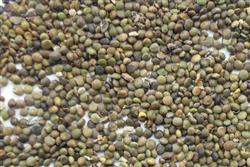
How should licorice seeds be treated? Introduction to common treatment methods
How should licorice seeds be treated? Is there anyone who can help explain? Licorice seeds generally begin to germinate at 10-15°C, and germinate fastest at 15-20°C. Old seeds have a reduced germination rate. One of the biggest characteristics of licorice is that it exhibits hard-seededness, usually with a hard seed rate of 70-90%, making it very difficult for seedlings to emerge after sowing, so in production, seeds...
-
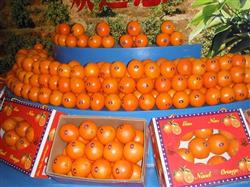
Where is China's hometown of navel oranges? A detailed introduction to navel orange producing areas
Where is China's hometown of navel oranges? What is the reason? What are the main areas? Please give an introduction. China's hometown of navel oranges is Gannan. It is located in southern Jiangxi, abbreviated as Gannan. The main reason Gannan navel oranges are famous is that, thanks to Gannan's unique soil conditions, the navel oranges produced are large and well-shaped, bright orange-red...
-
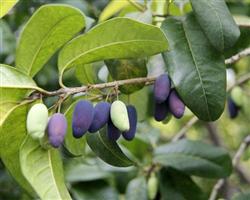
When to plant osmanthus seeds? Introduction to the best sowing time
When are osmanthus seeds harvested, and when are they planted? If any readers know, please help explain. Zhongdi Network has compiled information on harvesting, storing, and sowing osmanthus seeds, listed below for readers' reference. 1. Harvest time for osmanthus seeds: Osmanthus tree seeds are generally ready from the end of May to June...
-
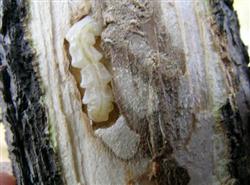
What are the main pests of osmanthus? Introduction to common pest species
What are the main pests of osmanthus? How should osmanthus pests be controlled? We also ask experienced readers to help explain. The common pests of osmanthus generally include jewel beetles, scale insects, stinging moths and bagworms. Zhongdi Network has compiled the harm caused by the above pests to osmanthus trees and their control methods, listed below for readers...
-
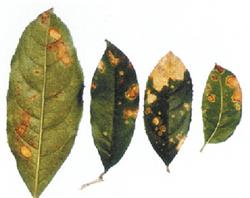
What are the common pests and diseases of osmanthus trees? This article gives you a detailed introduction
What common pests and diseases affect osmanthus trees? How should they be prevented and controlled? We also ask experienced netizens to help explain. There are many varieties of osmanthus, and four are common: Jingu (golden osmanthus), Yingu (silver osmanthus), Dangui (red osmanthus) and Sijigui (four-season osmanthus). The fruit is a purplish-black drupe, commonly known as guizi.
-

Kalanchoe 'White Maiden': An Introduction to the Kalanchoe Plant in the Crassulaceae Family
Text and images: This girl is a little sweet. Kalanchoe 'White Maiden' is a plant in the Crassulaceae family, Kalanchoe genus. It is native to South Africa. The leaves are covered with a light white powder, and the flowering period is from December to April. Morphological characteristics: the rhizome is upright, cylindrical, smooth and hairless with white powder,...
-

When Do Lotus Flowers Bloom? An Introduction to the Lotus Flowering Season
The lotus flowering season falls around June to September each summer, though their bloom times are not exactly the same depending on the region, variety and growing conditions. In the Baiyangdian area, they can bloom as early as May, while near West Lake they generally bloom in early July.
-

Paraquat Herbicide Introduction: A Comprehensive Guide in One Article
A farmer called: When selling vegetables grown nowadays, they are often asked whether there are pesticide residues. What are the consequences of pesticide residues? Answer: Pesticide residues are the portion of pesticides that remain directly or indirectly in grains, vegetables, fruits, livestock products, aquatic products, and... after pesticides are applied in agricultural production.
-
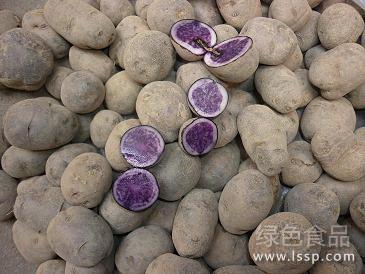
Introduction to the Cultivation Techniques of Purple Potato / Black Potato
Purple Potato - Introduction to Black Potato Cultivation Techniques
-
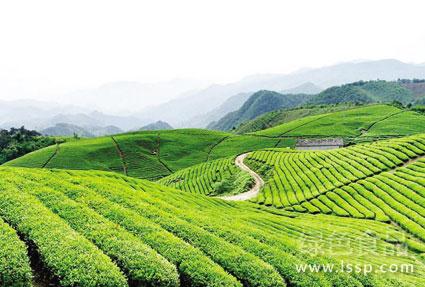
Introduction to Pollution-Free Pure Natural Organic Tea Planting and Cultivation Techniques
Introduction to Pollution-Free Pure Natural Organic Tea Planting and Cultivation Techniques
条件筛选