-
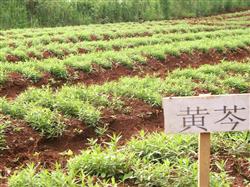
How to fertilize Scutellaria baicalensis (Baikal skullcap) when growing it? Introduction to scientific fertilization methods
How to fertilize when growing Scutellaria baicalensis? Please introduce the fertilization methods. When growing Scutellaria baicalensis, you can fertilize as follows. In the first year, after the seedlings are thinned to a stand, carry out the first fertilization, applying 500 kg of diluted human urine and manure per mu or 3-5 kg of urea, and in June-July topdress with 30 kg of ammonium phosphate. In the 2nd and 3rd years, after green-up, apply 40-50 kg of decomposed cake fertilizer, and in June...
-
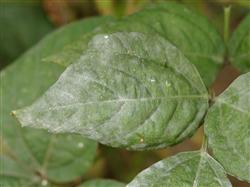
What is cowpea powdery mildew? An introduction to cowpea cultivation diseases
What is cowpea powdery mildew? An introduction to cowpea powdery mildew disease and its control methods Cowpea powdery mildew occurs mainly on the leaves. In the early stage of the disease, yellow-brown spots appear on the underside of the leaves; after they enlarge, they become purplish-brown spots covered with a thin layer of white powder. The powdery mildew pathogen is also a fungal disease, and on the leaf surface...
-
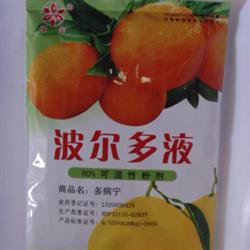
What is a non-systemic fungicide? This article gives you a detailed introduction
What is a non-systemic fungicide? Please explain. The Bordeaux mixture commonly used is a sky-blue viscous suspension prepared from copper sulfate, quicklime and water. It is alkaline and corrosive to metals. It is a non-systemic protective inorganic fungicide, and its active ingredient is basic copper sulfate. After the crop is sprayed, ...
-
-
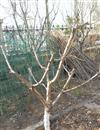
Video Introduction to Winter Pear Tree Pruning Techniques
What are the winter pear tree pruning techniques? How are pear trees pruned in winter? Experienced gardeners are invited to share their advice. Winter pruning of pear trees is carried out after the leaves fall and before bud break. Its main purposes are to develop the tree shape, adjust the canopy structure, develop fruiting branch groups, adjust the number of flower buds, and regulate...
-
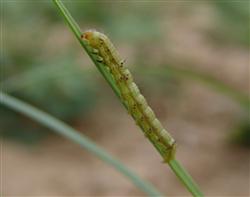
Introduction to Peanut Cultivation Techniques and Common Pests and Diseases
What pests and diseases affect peanuts? How to prevent and control them? We ask readers to help share information. The main pests and diseases of peanuts are leaf spot disease, cotton bollworm and red spider mite. Zhongdi Network has compiled their damage and control methods, listed below for readers' reference. 1. Damage of peanut leaf spot disease: Peanut leaf spot disease mainly includes brown spot...
-
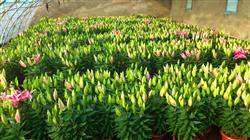
Detailed Introduction to Lily Planting Methods
Recently, a reader left us a message saying: You have the planting and pest control for edible lilies here, so why is there no planting technique for ornamental lilies? So now we are adding it: Lilies are plants of the genus Lilium in the family Liliaceae. They are excellent both as medicine and food, and the bulbs are used for food or medicine. They have the functions of nourishing yin and moistening the lungs, and clearing the heart and calming the mind....
-
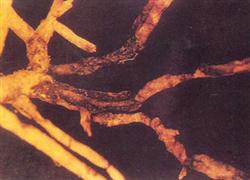
What is peony purple root rot? Introduction to peony care methods
What is peony purple root rot? What harm does purple root rot do to peonies? We ask friends to help explain the harm of peony purple root rot: commonly known as purple or black root rot, it is a common fungal disease of peonies. The incidence rate is higher in old plants and in fields with years of continuous cropping. Besides peonies, it also harms forest trees, fruit trees and...
-
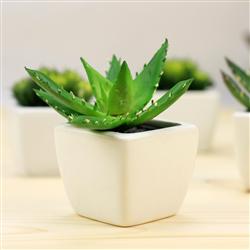
How should you water aloe? An introduction to the correct watering method
How should you water aloe when growing it? What else should you pay attention to normally? Please give an introduction. Aloe, in all its varied forms, is a perennial evergreen herbaceous plant that is deeply loved by people. Many flower enthusiasts report that during the process of growing aloe, the leaves often turn yellow and withered, starting from the lowest layer of leaves, first...
-

Complete Guide to Lotus Root Varieties and Introduction to Common Varieties
What lotus root varieties are there? Where can I find a complete guide to lotus root varieties? We ask knowledgeable readers to help introduce them. Lotus root is slightly sweet and crisp, and can be eaten raw or cooked; it is one of the common table vegetables. But exactly which lotus root varieties exist is something some readers still do not know well, so Zhongdi Net has compiled the commonly cultivated lotus root varieties, detailed below...
条件筛选