When to plant mustard greens? Introduction to the best planting time
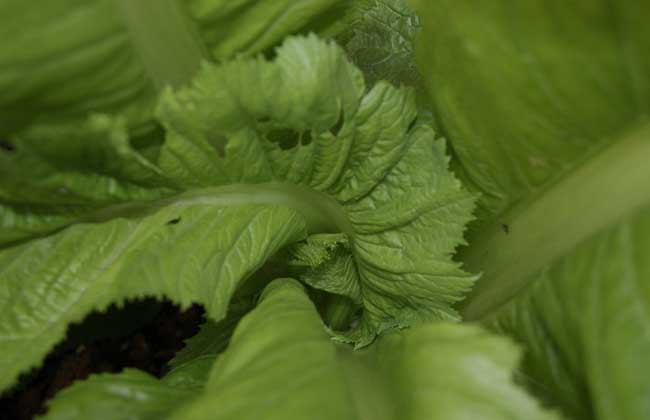
Mustard greens are a famous specialty vegetable in China, with very strong adaptability. In both the north and south of China, autumn sowing is the main method. In the Yangtze River basin and across the southwest and south China, they are harvested in winter or the following spring, while in the north they are harvested before frost. Leaf mustard, grown for its young plants as food, can be sown in spring or summer in the south. Let us take a look below at when to plant mustard greens!
When to plant mustard greens?
For open-field cultivation of mustard greens in the Yangtze and Huang-Huai regions, both spring and autumn planting can be done, generally with autumn sowing as the main method. Sowing can be carried out successively from late July to October, and harvesting ends from mid-September to March of the following year, but the highest yield comes from sowing in August. Sowing too early means hot, dry weather and frequent heavy rain, making emergence difficult, so shade netting should be used for coverage. Sowing too late means the seedlings may encounter a cold wave when they have 2 to 3 true leaves and are prone to frost damage. Spring sowing can use solar greenhouses or plastic tunnels for cultivation, bringing the crop to market earlier or later.
How are mustard green seeds sown?
Mustard green seeds are very small, so the land must be leveled and finely prepared, with weeds and debris picked out. Deep furrows and high beds should also be made for drainage and irrigation. The bed width is generally 2.5 m (including the furrow). The sowing rate per mu is 1.5 to 2 kg for spring sowing, 3 to 4 kg for summer sowing, and 2 to 3 kg for autumn sowing. Broadcasting is generally used, but the seed should be spread as evenly as possible. After sowing, gently tread over the bed surface with the foot so that the seeds make close contact with the soil, which helps the seeds absorb water and emerge earlier. For summer and autumn sowing, the land can be watered 1 to 2 days before preparation, then prepared and formed into beds. If newly harvested seeds from the same year are used for sowing, since the seeds have not yet broken dormancy, they should be placed in an environment of 2 to 7°C (refrigerator) to promote germination before sowing.
Mustard green cultivation and management techniques
1. Timely transplanting: Mustard greens adapt to a fairly wide range of soils, but to achieve high yields with heading mustard, sandy loam with rice as the previous crop should be chosen, sufficient base fertilizer should be applied, and holes should be made for transplanting. Plant in two rows with a plant spacing of 40 to 50 cm. Later-maturing varieties should be spaced appropriately wider. Mustard greens root slowly, so when transplanting, carry as much soil as possible and avoid damaging the roots, and make sure the roots go into the soil without bending, to improve the survival rate.
2. Reasonable fertilization: Mustard greens generally emerge 3 to 4 days after autumn sowing, while spring-sown mustard greens generally emerge in 6 to 15 days. When the mustard green seedlings have 2 true leaves, carry out the first topdressing, applying 1000 kg per mu of 0.3% urea solution. The second topdressing is carried out 7 to 10 days before harvest, and thereafter topdress once after each harvest.
3. Watering and weeding: Mustard green seeds are small and easily affected by soil moisture, so before emergence, pay attention to watering to keep moisture, with watering best done in the morning and evening. Master the principle of light and frequent watering, and do not soak the soil through all at once. Mustard green plants are short, and broadcasting is usually used. Weeds grow mixed together with the mustard greens, making weeding relatively difficult and labor-intensive, so weeds should be pulled out along with harvesting.
4. Pest and disease control: Mustard greens are not infected by many diseases. The main one, showing mainly on leaf mustard, is viral disease, mostly during the hot, dry seedling period and the early growth stage after transplanting. It is spread by aphids. For thorough control, spray once every 7 to 10 days, and at the same time water promptly; keeping the soil moist and lowering the temperature is also very useful. Besides aphid damage, there are also striped flea beetles, which mainly harm the roots of mustard greens, so pesticides such as phoxim should be sprayed promptly.
5. Timely harvesting: Mustard greens are harvested in stages. Each harvest should take the large ones and leave the small ones, and the remaining plants should be even and appropriate. For early-autumn-sown shepherd's purse, harvest at 10 to 13 true leaves, 30 to 35 days after sowing, then harvest in stages 4 to 5 times, ending in late March of the following year, with a total yield per mu of 2500 to 3000 kg. For autumn shepherd's purse sown in early October, it takes 45 to 60 days before harvesting can begin. Shepherd's purse sown in late February is harvested and marketed in early April. Spring sowing generally allows 1 to 2 harvests, with a yield per mu of about 1000 kg.