-

How to Propagate Gardenia? Introduction to Gardenia Propagation Methods
Gardenia can be propagated by many methods, both sexual and asexual reproduction. Generally, cuttings and layering are most commonly used; division and sowing can also be used but are rarely adopted, as potted plants in the north generally do not easily set seed. Let us take a look below at the propagation methods for gardenia.
-
How to grow lucky bamboo? Introduction to soil culture and water culture propagation methods
Lucky bamboo originates from Cameroon in western Africa. It is a perennial evergreen herbaceous plant of the genus Dracaena in the family Asparagaceae (formerly Liliaceae), mainly grown as a potted ornamental plant. It has high ornamental value and symbolizes great fortune and prosperity, which is also how it got its name. Below, the editor will introduce the cultivation methods and precautions for lucky bamboo.
-
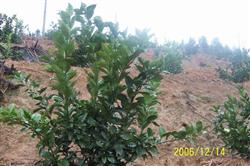
Introduction: Why do navel oranges need "thinning spring shoots and removing summer shoots"
Scientifically "thinning spring shoots and removing summer shoots" on navel orange trees in the year before they come into production or after they have come into production is an important measure for retaining fruit and increasing yield. However, because many fruit growers do not know how to use it or apply it improperly, they not only fail to achieve the expected goal of a bumper harvest, but instead end up with small navel orange tree canopies, few branches and leaves, and low yields. The following is "thinning spring shoots...
-
How to propagate Fragrant Wood? Introduction to Fragrant Wood propagation methods
Fragrant Wood is a sun-loving tree, but it also tolerates slight shade. It prefers warmth, requires deep soil, has strong sprouting ability, grows slowly, and has a long lifespan. However, seedlings are not very cold-resistant and need protection in North China. The plant can withstand low temperatures of -10°C and prefers soil with ample sunlight and good drainage.
-
How to grow Serissa japonica? Introduction to propagation methods and cultivation methods
Serissa japonica fears strong light, prefers a warm climate, and can also tolerate cold and drought to some extent. It likes well-drained, fertile, moist and loose soil. It is not demanding about its environment and has strong growth vigor. Grown indoors, it is pleasing to the eye and is a common household cultivated plant. Below, the editor will introduce the cultivation methods of Serissa japonica.
-
How to Grow Alocasia (Drooping Spathiphyllum)? Introduction to Water and Soil Cultivation Methods
Alocasia, also known as Drooping Lotus and Bergamot Lotus, has a delicate inner essence, with large leaves that are not ostentatious, subtle and understated. Because its flowers resemble Guanyin and it drips water from the leaf tips when well-watered, it has earned the beautiful name "Drooping Guanyin," and is often used by people to decorate interiors. Despite its beautiful name and inner refinement
-
How do rhododendrons reproduce? An introduction to rhododendron propagation methods
Rhododendrons can be propagated by five methods: cuttings, grafting, layering, division, and sowing, among which the cutting method is the most common and produces the largest number of plants. Layering produces seedlings fastest, grafting is the most complex propagation method, and grafting is used only for varieties that are difficult to root from cuttings, while sowing is mainly used for breeding varieties. Sowing method Sowing
-
How to propagate potted rubber plants? Introduction to common propagation methods
The rubber plant has high ornamental value and is a famous potted foliage plant, extremely suitable for indoor beautification and arrangement. Small and medium-sized plants are often used to beautify living rooms and studies; medium and large-sized plants are suitable for placement on both sides of the entrance halls of large buildings and in the center of lobbies, appearing majestic and magnificent, and can reflect a tropical atmosphere
-

-
Introduction to the placement and cultivation methods of potted rubber plants
The rubber tree (Hevea brasiliensis) originated in the Amazon forest, was transplanted to the Royal Botanic Gardens, Kew in England in 1873, 22 three-leaf rubber trees were shipped to Singapore in 1877, and it spread to the Malay Peninsula in 1898. The rubber tree is a tall tree with abundant latex. It is suited to growing in deep, fertile, moist, well-drained acidic sandy loam.
条件筛选