-
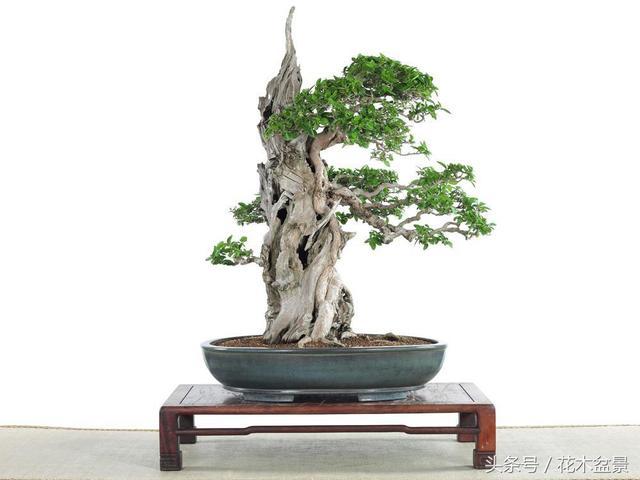
What kind of tree is Premna obtusifolia? An introduction to an excellent bonsai species
People who love flowers, trees and bonsai are people of refined taste. Premna obtusifolia, also known as stinking premna, Qia niangzi, pretty niangzi, stinking yellow vitex, niuguzai, houkezai, small-leaved fish stinkwood, and tofu wood; the main bonsai variety in Taiwan, China...
-
A Detailed Introduction to the Asian Citrus Psyllid and Its Control Methods
Asian citrus psyllid [Diaphorina citri Kuwayama] belongs to the order Homoptera, family Psyllidae. It is an important pest during the tender shoot stage of citrus, mainly damaging citrus, and can also damage Rutaceae plants such as orange jasmine (Murraya paniculata) and wampee (Clausena lansium). Damage characteristics: adults and nymphs gather in groups on tender shoots, young leaves and new buds to suck sap. The damaged tender shoots...
-

Introduction to the Latest Progress of the KAA Short Video Project
KAA Short Video Project Progress Update 1. When will the exchange open? After the platform enters its second phase, the exchange will open very soon, subject to official announcements. 2. When will KAA open gaming and entertainment? The company has already held discussions with several well-known...
-
How to control fruit flies on Chinese bayberry? Introduction to practical control methods
In recent years, the occurrence of fruit flies has reduced the yield and quality of Chinese bayberry, seriously affecting the economic development of the Chinese bayberry industry. In order to explore the occurrence patterns and control techniques of fruit flies on Chinese bayberry, the author has observed this pest since 2008, and has now basically clarified its occurrence situation in our county and summarized the corresponding control techniques. Fruit flies...
-
Grape Variety Introduction and Key Points of Pollution-Free Cultivation Techniques
The period for winter pruning of grapes is generally best carried out from early November to mid-February of the following year, that is, from 2 to 3 weeks after leaf fall to 3 to 4 weeks before spring bleeding occurs. Pruning too early will affect the return flow of nutrients, while pruning too late tends to cause bleeding. Bleeding often affects the sprouting of buds and impacts growth and fruiting. Now mainly...
-
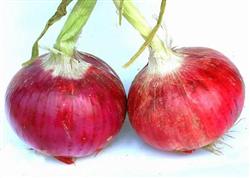
Detailed Introduction to Onion Varieties and Classification
1 Main Types The types of onion can be classified morphologically as: ① Common onion (Allium epa L.), each plant usually forms only one bulb. Propagated by seed; a few varieties form aerial bulbs on the inflorescence under special environmental conditions. Common onions can generally be divided by bulb shape into flat-globular...
-
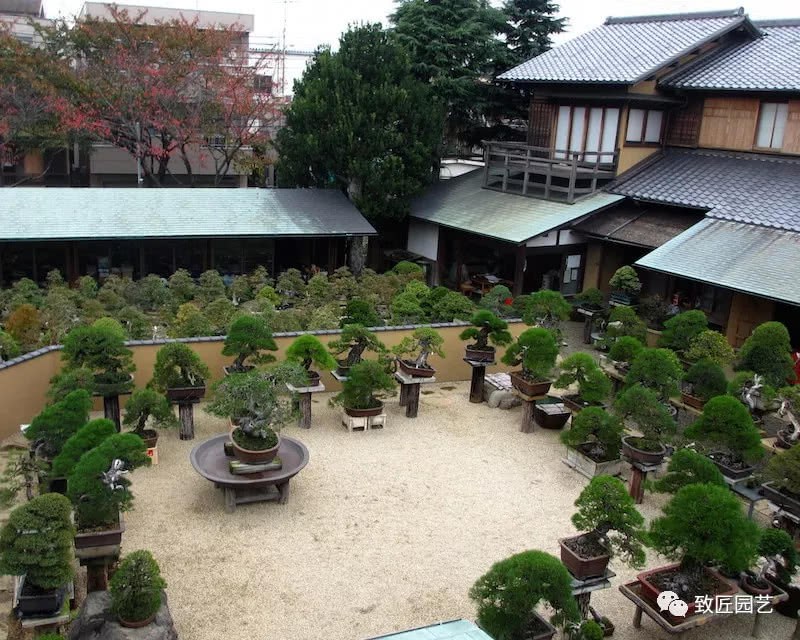
Introduction to Bonsai Garden Design: Layout Planning and Landscaping Key Points
Professional bonsai gardens often concentrate their most eye-catching trees in the garden, positioned at roughly eye level, so that visitors have the chance to gaze at the trees while strolling. The support posts are relatively simple, so the only difficulty is choosing...
-
What Color Is the Morning Glory? An Introduction to Common Flower Colors
The colors of morning glory include crimson, peach red, purple, purplish red, pink, scarlet, pinkish white, yellow, white, and cyan, among others, with the common colors being peach red, blue, white, and purple. It is also called the morning glory (trumpet flower) and has strong vitality. The flowers are funnel-shaped, appear in large numbers, and can even change color.
-
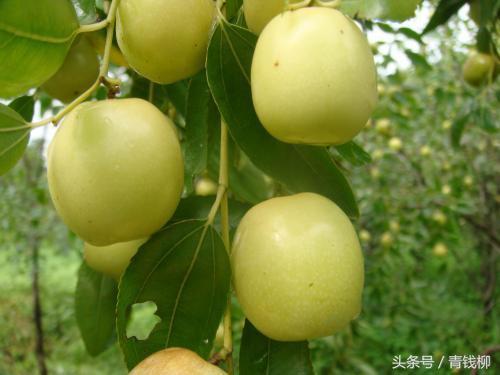
Introduction Performance and Cultivation Techniques of Wanzao No. 3, a New Early-Maturing Fresh-Eating Jujube Cultivar
Introduction Performance and Cultivation Techniques of Wanzao No. 3, a New Early-Maturing Fresh-Eating Jujube Cultivar. Wanzao No. 3 is a new southern fresh-eating jujube cultivar selected by the Institute of Horticulture, Anhui Academy of Agricultural Sciences from local jujube germplasm resources in Anhui Province. In August 2013, it passed...
-
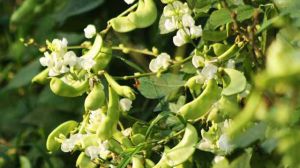
What types of beans are there? An introduction to common varieties
Hyacinth bean: it is flat in shape, with a textured skin that is very fine and dense with slight undulations, and the pod flesh is relatively thick. Green bean: its pod is slender and rounded, with thick flesh and a tender green color, and a smooth surface. Oil bean: the pod is relatively plump, emerald green in color, sometimes with purple streaks, and the flesh is thick and tender.
条件筛选