-

How to make homemade flower insecticides? Introduction to eco-friendly methods
How do you make eco-friendly flower insecticides at home? In our daily lives there are many very beautiful flowers, such as lavender, blue roses, pothos, cactus, mint geranium, dolphin flowers and so on. Because each has its own distinctive features, they are deeply loved by the broad community of flower lovers, and more and more people are taking up flower growing
-

What is a dead-wood bonsai? A detailed introduction to its characteristics
As a styling form of tree bonsai, dead-wood bonsai can take the forms of dead-top style, dead-branch style and dead-trunk style (shari trunk) in practice. Below we will take a closer look at dead-wood bonsai.
-

-

Introduction to using vinegar for growing flowers: it can treat flower black spot disease
There are many materials for growing flowers, but did you know that vinegar can also be used for growing flowers? Used correctly, vinegar can treat flower black spot disease. So, which flowers can be watered with vinegar, and what is the correct way to water flowers with vinegar?
-
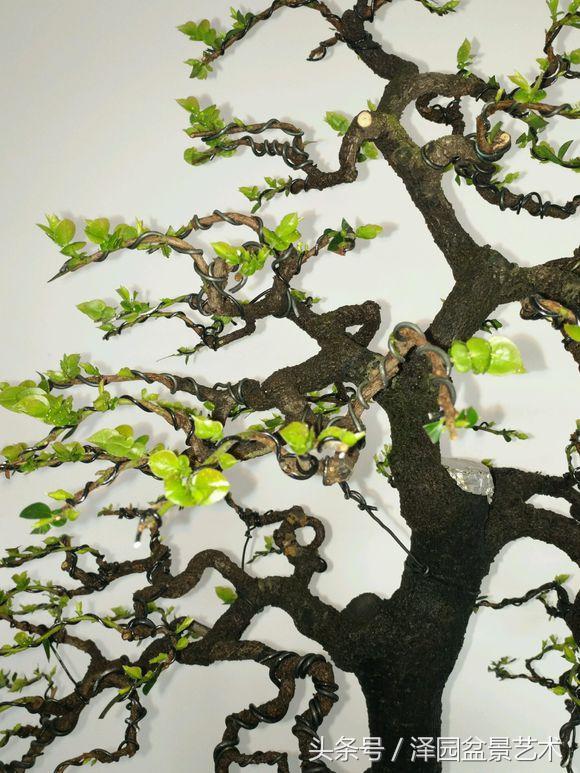
Introduction to the Care Methods for Black Bone Tea (Phyllanthus reticulatus) and Bougainvillea
Like this article? Share it right away so more people can see it! The content on this site is rich, substantial and broad in scope. Our editors select the hottest news of the day and update it at any time. Click "Be the first to get the latest news" to browse! Please continue...
-

Introduction to the Characteristics of the Kōtōhime Japanese Maple Variety
People who love flowers, trees and bonsai are all people of refined taste! Japanese maples are treasured by bonsai enthusiasts; their leaves are very small and extremely lush. The Kōtōhime Japanese maple originated in Saitama Prefecture, Japan. The leaves are usually light green and crinkled along the edges...
-

What are the propagation methods for pothos (Epipremnum aureum)? A detailed introduction
Cutting propagation: the simplest propagation method. Select thick, sturdy stems and leaves, cut a "cross" shape at the bottom with a knife, then insert into plain gauze, and spray water every day. 2. Layering propagation: the propagation method with the highest success rate. Press the creeping stems of the pothos into the soil, and once aerial roots grow, they can be cut off and divided.
-
How do you eat Cordyceps flower? A detailed introduction to common ways to eat it
For Cordyceps flower stewed lean pork, first prepare lean pork, Cordyceps flower and a piece of ginger, then wash the Cordyceps flower and cut the lean pork into pieces and blanch them. Put the lean pork, Cordyceps flower and ginger into a stewing jar and stew in a pot for three or four hours, and a fragrant bowl of Cordyceps flower stewed lean pork is ready
-
How to propagate wintersweet trees? A detailed introduction to common seedling-raising methods
Division and sowing: First of all, you need to wait until the wintersweet tree has shed its leaves, then take a small section from the branches of the original plant, but you must pay attention to where you cut it; it is best to cut at a place 30 cm from the base. When spring comes the next year, divide the plant from the base of the branches.
-
Is Cape Honeysuckle Grown in China? An Introduction to Its Cultivation in the Country
I. The Growing Environment of Cape Honeysuckle The most suitable growing environment for Cape Honeysuckle is a place with high temperature, high humidity and plenty of sunlight. Its most suitable growing temperature is 18 to 30 degrees, and it likes deep, fertile soil layers, is drought-tolerant and afraid of cold. This growing environment determines that Cape Honeysuckle is mainly distributed in tropical and subtropical regions
条件筛选