-

How do rhododendrons reproduce? An introduction to rhododendron propagation methods
Rhododendrons can be propagated by five methods: cuttings, grafting, layering, division, and sowing, among which the cutting method is the most common and produces the largest number of plants. Layering produces seedlings fastest, grafting is the most complex propagation method, and grafting is used only for varieties that are difficult to root from cuttings, while sowing is mainly used for breeding varieties. Sowing method Sowing
-
How to Grow Alocasia (Drooping Spathiphyllum)? Introduction to Water and Soil Cultivation Methods
Alocasia, also known as Drooping Lotus and Bergamot Lotus, has a delicate inner essence, with large leaves that are not ostentatious, subtle and understated. Because its flowers resemble Guanyin and it drips water from the leaf tips when well-watered, it has earned the beautiful name "Drooping Guanyin," and is often used by people to decorate interiors. Despite its beautiful name and inner refinement
-
How to grow Serissa japonica? Introduction to propagation methods and cultivation methods
Serissa japonica fears strong light, prefers a warm climate, and can also tolerate cold and drought to some extent. It likes well-drained, fertile, moist and loose soil. It is not demanding about its environment and has strong growth vigor. Grown indoors, it is pleasing to the eye and is a common household cultivated plant. Below, the editor will introduce the cultivation methods of Serissa japonica.
-
How to propagate Fragrant Wood? Introduction to Fragrant Wood propagation methods
Fragrant Wood is a sun-loving tree, but it also tolerates slight shade. It prefers warmth, requires deep soil, has strong sprouting ability, grows slowly, and has a long lifespan. However, seedlings are not very cold-resistant and need protection in North China. The plant can withstand low temperatures of -10°C and prefers soil with ample sunlight and good drainage.
-
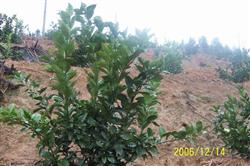
Introduction: Why do navel oranges need "thinning spring shoots and removing summer shoots"
Scientifically "thinning spring shoots and removing summer shoots" on navel orange trees in the year before they come into production or after they have come into production is an important measure for retaining fruit and increasing yield. However, because many fruit growers do not know how to use it or apply it improperly, they not only fail to achieve the expected goal of a bumper harvest, but instead end up with small navel orange tree canopies, few branches and leaves, and low yields. The following is "thinning spring shoots...
-
How to grow lucky bamboo? Introduction to soil culture and water culture propagation methods
Lucky bamboo originates from Cameroon in western Africa. It is a perennial evergreen herbaceous plant of the genus Dracaena in the family Asparagaceae (formerly Liliaceae), mainly grown as a potted ornamental plant. It has high ornamental value and symbolizes great fortune and prosperity, which is also how it got its name. Below, the editor will introduce the cultivation methods and precautions for lucky bamboo.
-
How to Propagate Gardenia? Introduction to Gardenia Propagation Methods
Gardenia can be propagated by many methods, both sexual and asexual reproduction. Generally, cuttings and layering are most commonly used; division and sowing can also be used but are rarely adopted, as potted plants in the north generally do not easily set seed. Let us take a look below at the propagation methods for gardenia.
-
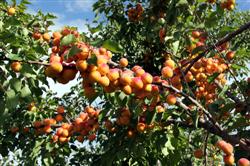
How to improve the fruit set rate of apricot trees? An introduction to practical methods
How to improve the fruit set rate of apricot trees? What methods can improve the fruit set rate? Please introduce: To improve the fruit set rate of apricot trees, the following methods can be used: pruning: lightly prune vigorous trees in winter, and appropriately thin or shorten branches or buds on weak trees to reduce nutrient consumption. For main branches, cut off 1/3 of the current year's growth to keep the main branches balanced. Shorten water sprouts, competing branches, and drooping branches; retain development branches and keep more small branches unpruned; for water sprouts in the canopy, cut 1/2~1/3 of the current year's new shoots so that strong shoots grow at the top and fruit branches form on the lower part; for thin and weak branches inside the canopy, cut from 4~5 buds outside the base; for aged and overlong fruit branches, renew large branches by retrenchment and shorten medium and small branches; after the extension shoots of main and lateral branches reach the standard, pinch off the top 3~4 nodes.
-
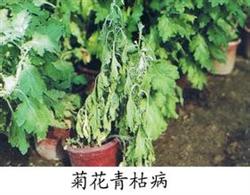
What to Do When Chrysanthemums Get Bacterial Wilt? Introduction to Prevention and Control Methods
1. Damage Symptoms: When the whole plant is infected, the above-ground leaves wilt; after lasting 3-5 days, the lower leaves turn yellow, the stem nodes near the ground appear brown, the fleshy part of the tuberous roots rots, and the epidermis and fleshy roots also turn brown, later becoming lead-white. When the diseased stem is cut crosswise, the vascular bundles turn brown, and when squeezed by hand or kept under moisture, a dirty-white bacterial ooze exudes; the diseased tuberous roots can also discharge bacterial ooze from cracks.
-
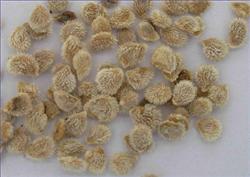
How to disinfect tomato seeds? Introduction to pre-sowing treatment methods
How do you disinfect tomato seeds? Please advise. If the surface and interior of tomato seeds carry pathogens such as tomato early blight and viral diseases, the infected seeds will transmit them to seedlings and mature plants, leading to the occurrence of diseases. Therefore, seed disinfection treatment should be carried out before raising seedlings. The commonly used disinfection measures when raising tomato seedlings are as follows:...
条件筛选