-
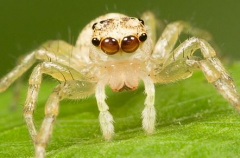
Global insect numbers continue to decline, and many insects are beyond saving from extinction
Global insect numbers are falling rapidly, did you know? A group of international scholars recently published a large-scale study indicating that insect numbers worldwide are declining fast, and if the situation continues, they could become extinct within 100 years, further affecting the food chain and causing a "catastrophic collapse" of natural ecosystems
-

Where Is the Pitcher Plant Native To? Propagation Methods and the Digestion Principle Behind Its Insect-Eating
The main habitat of the pitcher plant is the tropical regions of Asia. Do you know about pitcher plants? Would you like to learn about them? Let's take a look together. How do pitcher plants propagate? Pitcher plants mainly propagate by "cuttings." Taking cuttings of pitcher plants is very easy, and
-
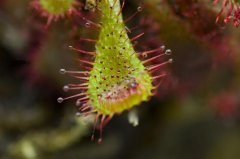
Is the sundew that eats insects a carnivorous plant? A roundup of common carnivorous plants
Carnivorous plants are a relatively little-known group of garden plants. They have insect-eating characteristics that set them apart from ordinary plants, and together with some misunderstandings, do you know which carnivorous plants there are? Pitcher plant: the structure the pitcher plant uses to catch insects is a specialized insect-trapping pouch at the end of the leaf
-
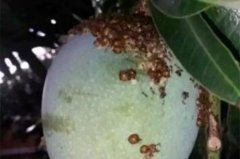
Symptoms, Damage and Control Methods of Coconut Scale Insects
What is the damage caused by the coconut pest Pseudaulacaspis? How should it be controlled? Ecological habits: there may be 10 generations per year, and 1 generation lasts about 33 days. It usually reproduces by parthenogenesis; the mother insect lays eggs under the scale around her body, the egg-laying period is 8 to 10 days, and each female can
-

Can organic vegetables be sprayed with pesticides to kill insects?
Organic vegetables are still sprayed with pesticides, is this really okay? How can consumers be deceived like this? It is precisely because of this matter that some people have been harmed. Let's take a look together. In December of year 87, Consumer Reports magazine published the news item "Organic Vegetables Are Still Sprayed with Pesticides"
-
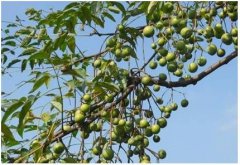
How effective are neem seed extract and neem oil as insecticides?
Have you heard of neem plant insecticide? This is an insecticide made from insecticidal compounds extracted from a plant. The development and use of neem plant insecticide seems to have become a worldwide trend. In Thailand, I saw that some places already use neem as street trees, and flower markets everywhere
-
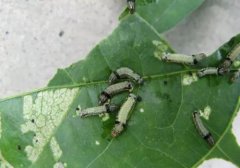
What are natural enemy insects? An introduction to common natural enemy insects such as green lacewings
What are natural enemy insects, what characteristics do they have, what do they mainly eat? Using natural enemy insects to control pests is a special control method that can reduce environmental pollution and maintain ecological balance. The mass rearing and use of natural enemy insects in China have achieved remarkable
-

Why are there insects inside pomelos? Symptoms of thrips damage and rust mite damage on pomelos
The season when pomelo flowers fill the air with fragrance is also a season when pests and diseases occur frequently. At this time, control of thrips and rust mites should be strengthened to ensure the quality of pomelo fruit. Otherwise, pomelos will suffer great losses, so we must do a good job in this regard. Pomelos are at the flowering stage, and their flowering period is long, from
-
Steady progress in the battle against late rice pests and diseases, going all out to snatch grain from the jaws of insects
At present, autumn grain crops in most parts of the country have gradually entered the harvest period, but the double-cropping late rice in South China and Jiangnan and the single-cropping late rice in the middle and lower reaches of the Yangtze River are at the heading and grain-filling stage, which is a critical period for yield formation and also an important period for the occurrence and damage of pests and diseases at the ear stage. In particular, in some areas this autumn a "late autumn without cool weather" climate has appeared, which may lead to an increase in the number of generations of the "two migrations" pests in late rice, an extended period of damage, and a tendency to break out suddenly into disaster. Pest and disease prevention and control in the later period still cannot be relaxed.
-
The battle to prevent and control pests and diseases in late rice continues, striving to win grain from insects
Currently, autumn grain crops in most parts of the country have gradually entered the harvest period, but the double-season late rice in South China and Jiangnan, and the single-season late rice in the middle and lower reaches of the Yangtze River, are at the heading and grain-filling stage, a critical period for yield formation and also an important period for the occurrence and damage of pests and diseases at the ear stage. In particular
条件筛选