-
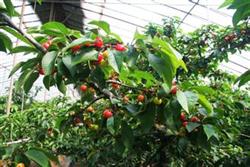
Key techniques for promoting coloration of cherries in greenhouses
Spraying fruit-surface film-free bagging agent: spraying it on the fruit surface acts like bagging, does not affect fruit respiration, and can also prevent fruit russeting and fruit cracking, improve fruit-surface coloration and glossiness, reduce pesticide residues and improve quality. Foliar spraying of Xin Gao Zhi Mo (new high-fat film) can prevent leaves from viral infection, make branches and leaves lush and green, and enhance the accumulation and directional transport of photosynthesis products...
-
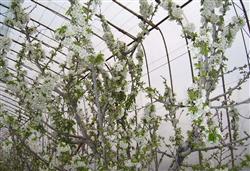
Key Techniques for Ratoon Cultivation of Cherry Tomatoes in Greenhouses
Ratoon cultivation of cherry tomatoes by lowering the vines and pressing soil averaged 4,653.2 kg per mu, an increase of 816.9 kg over conventional cultivation, a gain of more than 20%, while also extending the harvest period by more than 30 days. The main reason for the yield increase is that this cultivation method keeps the fruiting position of cherry tomatoes in the middle and upper part of the greenhouse, and by pressing soil to promote new roots, shortens...
-
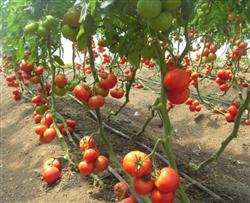
Key Technical Points for Fertilizer-Saving and Water-Saving Cultivation of Tomatoes in Winter Warm Greenhouses
Fertilizer saving: Considering cost reduction, input reduction and fertilization efficiency, apply 10000 kg of chicken manure, 50 kg of urea and 50 kg of ternary compound fertilizer per mu. This is the optimal fertilization rate for fruit vegetables in winter warm greenhouses in the coastal area of Shandong. Water saving: Use drip irrigation, with the suitable relative soil moisture content being 80%, which can also save 70.4% of water compared with conventional furrow irrigation...
-
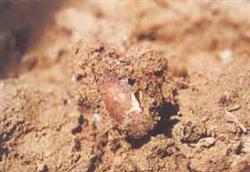
What to Do About Seed Rot in Spring Peanuts? Detailed Explanation of Causes and Control Methods
Symptoms: After spring peanuts are sown and before emergence, seed rot often occurs, with severe cases reaching 10%-20%, causing varying degrees of missing plants and broken rows. Causes: Poor seed quality or improper storage, or overly long storage periods; low-lying geothermal areas, heavy clay soil, poor soil texture, high soil water content, long emergence time for seeds, poorly firmed seedbed preparation, affecting...
-
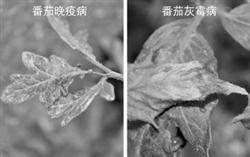
Identification Methods for Late Blight and Gray Mold in Greenhouse Tomatoes
Late blight and gray mold are important diseases that severely affect the yield and output value of spring-season greenhouse tomatoes in northern China. Early detection and accurate identification are the prerequisites for effective prevention and control. Their field symptoms often vary with cultivar and environmental conditions, and are easily confused with each other or with other diseases, causing confusion for growers. The following is an introduction to the...
-
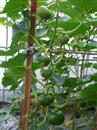
Key points of spring greenhouse cultivation techniques for pumpkin
I. Variety selection: Jinglüli and Jinghongli pumpkins. II. Seedling raising: The suitable sowing period for spring greenhouse pumpkin cultivation is generally mid-February. 1. Preparation before seedling raising: When sowing in early to mid-February, the temperature is relatively low, so electric heating seedbeds must be used for seedling raising. (1) Making the electric heating seedbed: Choose a greenhouse with good light transmission and strong heat preservation as the seedling-raising greenhouse, and build a seedbed inside the greenhouse that is 22.5 m long, 1.5 m wide, and 15 cm deep. After leveling and firming the bottom surface, use 2 heating wires with a power of 1000 watts, lay 12 lines longitudinally on the seedbed bottom, with a line spacing of 8-10 cm, completely cover the heating wires with fine soil, with a soil coverage depth of 1.5-2 cm.
-
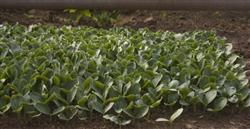
Key Technical Points for Raising Seedlings of Pumpkin in Solar Greenhouses with Vertical Trellis Cultivation for the Winter-Spring Crop
①Determining the sowing date The sowing date is mainly determined by the heat retention of the solar greenhouse. A solar greenhouse with good light transmission and good heat retention can be sown and raised as seedlings in late November. The melons are harvested in mid-March of the following year. Otherwise, the sowing date can be postponed to January of the following year. With the above-mentioned solar greenhouse, sowing and seedling raising are generally carried out from late December to early January of the following year...
-
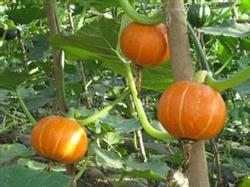
Key Cultivation Techniques for Western Pumpkin in Spring Greenhouses
Pumpkin is a nutritious and healthy vegetable, and the Western pumpkin introduced from abroad is deeply loved by consumers because its fruit has low water content, high solids, high non-reducing sugars and starch, a starch/total sugar ratio exceeding 1, low crude fiber, and high crude protein, giving it excellent taste and mouthfeel, with quality far surpassing domestic local pumpkins...
-
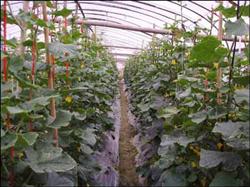
Key Techniques for Spring Greenhouse Cultivation of Winter Squash (Western Pumpkin)
1. Varieties: At present there are many varieties of Western pumpkin. According to the results of comparative trials of introduced varieties at our institute, the "Dongsheng" and "Yipin" selected by Taiwan Nung You Seed Co., Ltd.; and the "Juhong" series and "Lübao" selected by Jiangsu Chia Tai Seed Co., Ltd. of Thailand's Chia Tai Group "...
-
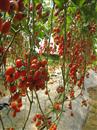
Cultivation Techniques for Cherry Tomatoes in Solar Greenhouses
Cherry tomatoes have high ornamental value and are also rich in nutritional value; they can be served as a vegetable on the dining table and eaten as a fruit in a fruit platter. With a balanced sweet-and-sour taste and a unique flavor, they are deeply loved by people. Cherry tomatoes are currently the most popular tomato variety in vegetable thinning, available all year round. Their single fruit weighs about 14 grams...
条件筛选