-

What causes red leaves in rapeseed? Causes and solutions
Causes of and solutions for red leaves in rapeseed
-
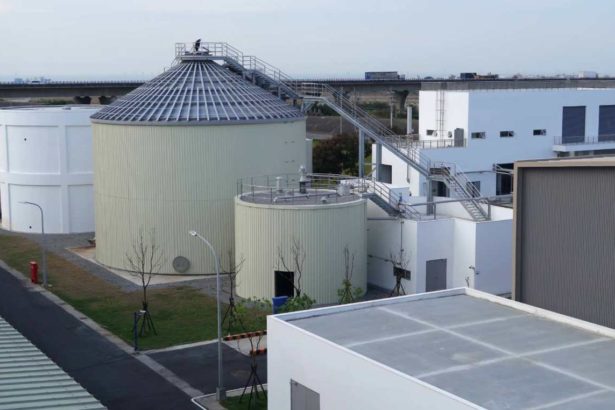
Food waste power generation feeds in 250 metric tons per day, estimated to supply electricity for 60,000 households annually
The Battle Against Epidemic and Food Waste 09"Food waste-to-power packs a punch, 250 metric tons of food waste fed in daily, estimated annual output to supply electricity for 60,000 households
-
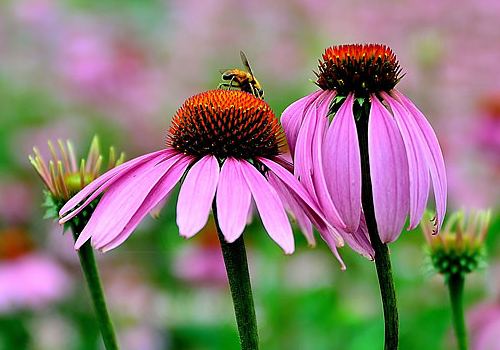
A Detailed Guide to Growing Echinacea from Seed, Its Benefits and Uses
Keeping some beautiful flowers and plants at home is not only decorative but also purifies the air. How do you grow echinacea from seed? What is the market price per jin: How to grow echinacea from seed: seed treatment. Before sowing, first soak the seeds to promote germination and disinfect them. Put the seeds in a basin, add warm water at 35°C to 40°C.
-
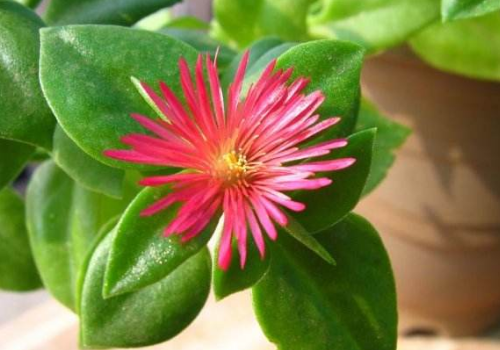
How to care for Aptenia cordifolia in winter? Analysis of the causes of yellowing leaves
Starting from autumn, Aptenia cordifolia should gradually have its water reduced, and in winter it can basically be left unwatered or very rarely watered. How to care for Aptenia cordifolia in winter? What causes yellowing leaves: How to care for Aptenia cordifolia in winter: preparation for overwintering, before winter arrives
-
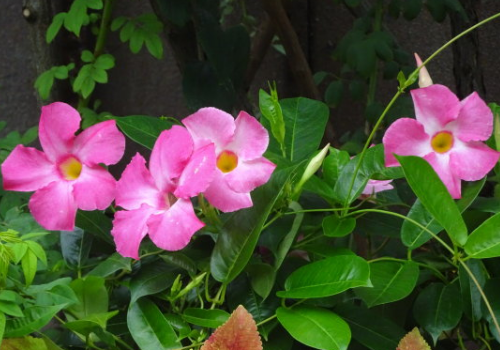
Can Dipladenia be placed indoors in a bedroom? Causes of yellowing leaves and solutions
Dipladenia is currently very popular among consumers on the market in our country. This is mainly because it has extremely high ornamental value. Can Dipladenia be placed indoors in a bedroom? Causes of yellowing leaves and solutions: Can Dipladenia be placed indoors in a bedroom: It is best not to place it indoors in a bedroom; it can be placed on a balcony or in a living room
-
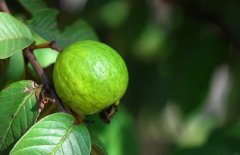
What does scab disease look like on guava fruit, and what medicine is used for guava scab disease
What do the symptoms of guava scab disease look like, and how should it be treated, do you know? Let us take a look together. Symptoms: When initially infected, the lesions are round and slightly raised, and the surface of the lesions is rough with cracks, like scab, brown, with the edges a light brown or earthy yellow color, large
-

Symptom Identification and Chemical Control Methods for Guava Scab
What do the symptoms of guava scab look like, and how should it be treated? Do you know? Let's take a look together. Symptoms: When first infected, the lesions are round and slightly raised, with a rough, cracked surface like a scab, brown in color, with the edges a light brown or earthy yellow hue, large
-
What to Do If Silkworms Don't Spin Cocoons? Causes and Solutions
I. Main Causes 1. Pathological factors. For example, with pébrine or flacherie, infection and onset before mounting for spinning destroys the secretory function of the silkworm's silk glands; or the pathogen produces large amounts of toxic metabolites in the silkworm's body, paralyzing the silkworm's nerves so it cannot spin silk or form a cocoon. 2. Physiological factors. Abnormal middle silk glands, mainly caused by excessively high rearing temperatures, overly tender leaves, disordered secretory glands, etc., leading to abnormal silk glands and inability to spin. Next is abnormal anterior silk glands, mainly caused by exposure to large amounts of coal gas, fishy odors,
-
What to Do If Silkworms Do Not Spin Cocoons? Cause Analysis and Control Methods
I. Causes of silkworms not spinning cocoons: 1. Pathological factors. For example, pebrine and flacherie are prone to infection and disease before mounting, which destroys the silk gland secretion function of silkworms, or the pathogens produce large amounts of toxic metabolites in the silkworm body, paralyzing the silkworm's nerves and preventing them from spinning silk and forming cocoons; 2. Physiological factors. The first is abnormality of the middle silk gland, mainly caused by rearing temperature being too high or too low, leaf quality being too tender, secretory gland disorder, etc., causing silk gland abnormality and preventing spinning; the second is abnormality of the anterior silk gland, mainly because during rearing
-
What are the green and eco-friendly fishery drugs? Introduction to several commonly used varieties
Quicklime, table salt, and the like, although not specialized fishery drugs, are effective for preventing and treating aquatic diseases, and they pose no threat to the environment, with no drug residue problems. Quicklime: regularly splashing quicklime into the aquaculture water body can not only reduce the occurrence of many diseases, but also provide the calcium element essential for aquaculture organisms, which is especially important for crustacean aquaculture. Method of use: choose quicklime that has not weathered; for pond clearing and disinfection use 150-200 kg per mu; for disease prevention and treatment, generally 5-9, use once about every 20 days, for a water depth of 1
条件筛选