-
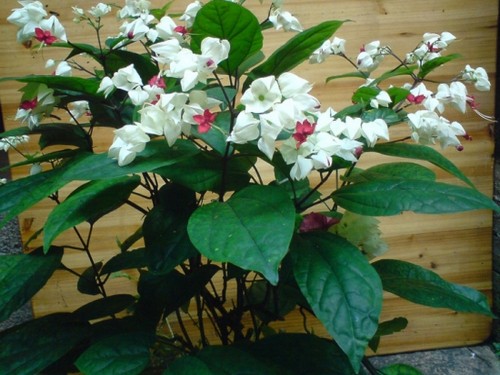
How to Grow Bleeding Heart Vine (Clerodendrum thomsoniae) as a Household Potted Plant
Bleeding heart vine belongs to the Verbenaceae family as a perennial plant, native to West Africa, and is a potted climbing flowering plant. During the growing period it needs plenty of water, and in each flowering season it should be fertilized once every 7-10 days. To grow a perfect potted bleeding heart vine, during the growing period the height of the branches must be strictly controlled, and the branch parts should be pruned and cut back
-
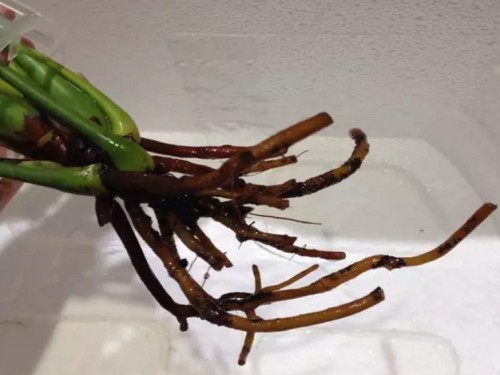
What to Do About Root Rot in Hydroponic Anthuriums? Causes and Solutions
The key to growing Anthurium in water is ensuring healthy root growth. Anthuriums have aerial roots and need plenty of oxygen, but the oxygen in water is far less than in soil, and many factors can cause root rot. Below, we introduce ways to prevent root rot in hydroponic Anthuriums! Hydroponic plants often grow less vigorously than soil-grown ones.
-
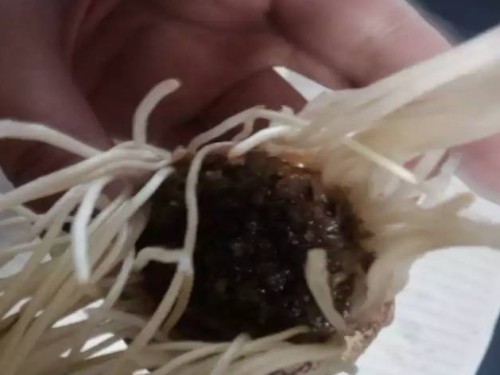
What to Do About Root Rot in Hydroponic Plants? Cause Analysis and Treatment Methods
Anyone who loves growing green plants knows that hydroponic plants are generally easier to grow than soil-grown plants. However, if they are not properly cared for, hydroponic plants are also very prone to root rot. So-called root rot means the plant's roots turn yellow, black, and soft; when you gently pull at the base of the root with your hand, the outer skin peels off very easily, leaving only the woody part.
-
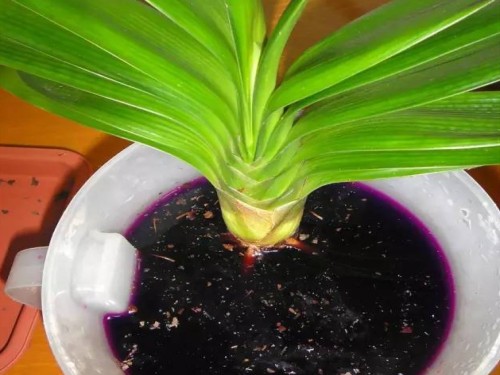
What to Do If a Potted Clivia Miniata (Kaffir Lily) Has Root Rot? Causes and Treatment Methods
Clivia miniata has bright, vivid flowers and high ornamental value, but growing it is not so easy and requires solid cultivation skills. Root rot in Clivia miniata can occur in all four seasons, but it is most common in summer. If you are even slightly careless about controlling water, the roots rot easily, and losing the plant is a great pity. Do not lose heart.
-
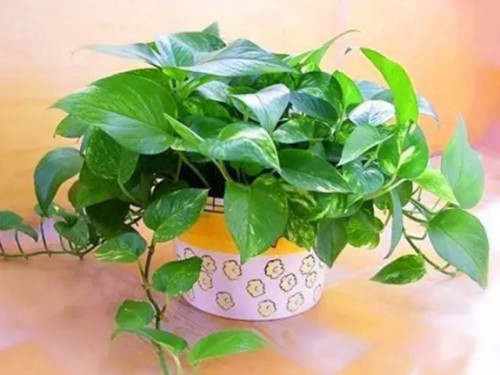
What causes root rot in pothos? An analysis of common causes
Pothos is called the easiest plant to grow by plant lovers. When it comes to hydroponic flowers, pothos is probably the first thing everyone thinks of, because pothos can be grown not only in soil but also in water, and pothos has always been called the easiest plant to grow by plant lovers. However, some plant lovers still run into root rot in pothos, so what should be done about pothos root rot
-
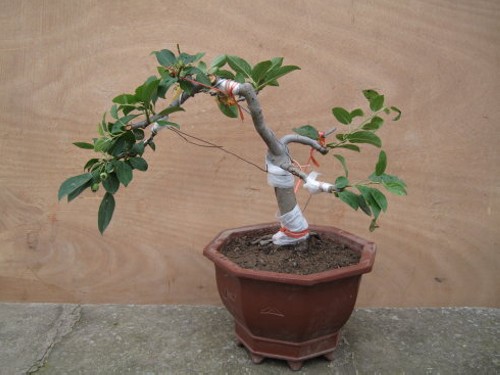
How to grow a winter red fruit bonsai? Causes of yellowing leaves and solutions
Winter red fruit (Malus spectabilis) flowers easily and has a high fruit-setting rate, with fruit that is entirely red; the fruiting period can extend to the following year when it flowers and grows leaves without the fruit dropping, making it an excellent variety for fruit-viewing bonsai, deeply loved by the people. However, during cultivation, due to the restriction of pot capacity and other influences, the leaves often turn yellow and drop.
-
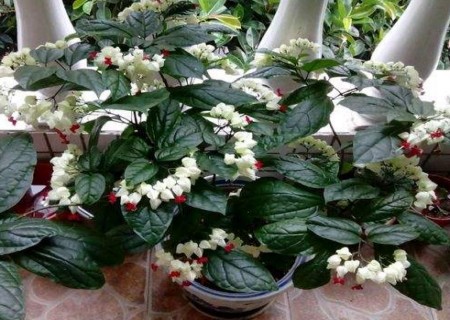
What to do when the leaves of a potted Bleeding Glorybower turn yellow? Causes and solutions
The Bleeding Glorybower (Clerodendrum thomsoniae) is native to tropical Africa and can be divided into white-calyx and red-calyx varieties. The flowers are very beautiful, with striking color contrasts and a peculiar flower shape like a dragon spitting a pearl, making it a top-grade potted flower. When the Bleeding Glorybower blooms, the long flower core protrudes from the open red flowers, like the nimble tongue of a giant dragon. The leaves are deep green
-
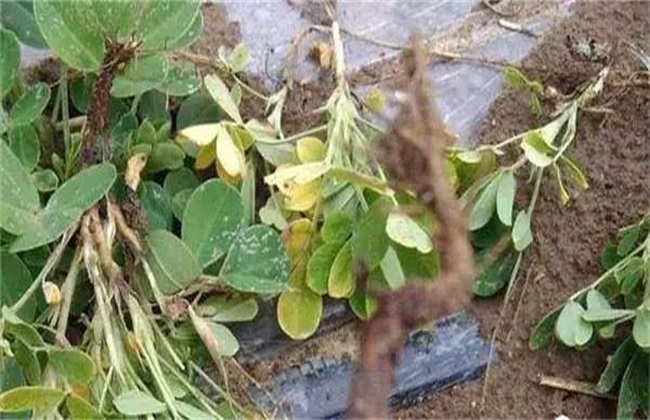
Why are peanut leaves turning yellow? Find the cause and solve it easily
Causes of yellowing peanut leaves and solutions
-

What to Do When Potted Camellia Leaves Turn Yellow? Find the Cause and Treat It Accordingly
Camellia is one of China's ten traditional famous flowers. It likes warm, humid environments and comes in various colors such as red, white, yellow and purple. Its flowering period is very long, generally from October to May of the following year, and it is a treasure of the world horticultural community. There are many reasons camellia leaves turn yellow, such as insufficient or excessive soil acidity.
-

MI Gives Wings to Smart Agriculture, Japan Uses AI to Cultivate New Varieties
Whether for increasing yields, growing in places where cultivation was previously impossible, or improving taste and value, agricultural associations across Japan are actively developing new rice varieties, and have even used DNA analysis technology to shorten the breeding of new rice varieties from the 10-15 years previously required to 3-5 years; now the Japanese government and agricultural startups are even planning to introduce new technology, applying artificial intelligence (AI) and smart agriculture, which are used in the research and development of new drugs and materials, to conduct research on new rice varieties.
条件筛选