What causes root rot in pothos? An analysis of common causes
Pothos is called the easiest plant to grow by plant lovers. When it comes to hydroponic flowers, pothos is probably the first thing everyone thinks of, because pothos can be grown not only in soil but also in water, and pothos has always been called the easiest plant to grow by plant lovers. However, some plant lovers still run into root rot in pothos, so what should be done about pothos root rot? The treatment method is basically the same; simply put, it means re-cuttings. Let's take a closer look below.
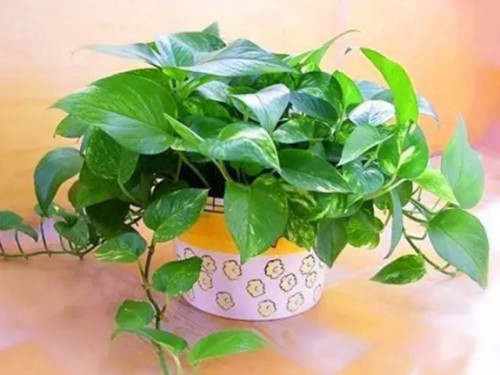
First, let's look at the causes of pothos root rot!
1. Temperature too low
Pothos is a heat-loving plant, and the most suitable growing temperature is 15-25°C. In winter it must not go below 10°C for it to survive the winter safely. When the temperature is too low, root growth is inhibited and root rot easily occurs.
2. Overwatering
Pothos likes water, but that does not mean it should be watered a lot. Soil growing and water growing are different; in water growing, the water is changed frequently to ensure there is enough oxygen in the water. In soil growing, watering simply provides water for the plant's growth. When watered too much, the soil becomes oxygen-deprived, the roots cannot get oxygen, and rot occurs.
3. Poor water quality
Another important cause of root rot is dirty water; when a large amount of bacteria is present in the water, the roots cannot get enough nutrients while in this environment for a long time, and root rot easily occurs.
4. Fungal and bacterial infection
Bacterial infection is unavoidable; in a hot and humid environment, plants are very susceptible to fungal attack.
Whether pothos is soil-grown or hydroponic, root rot can occur, because pothos is a herbaceous plant, so once the roots rot, there is no way for it to recover on its own. However, because pothos has the advantage of being easy to propagate, the method of re-cuttings is mostly adopted.
1. Soil-grown pothos
Compared with hydroponic pothos, soil-grown pothos is less prone to root rot, but because some pots have poor drainage and plant lovers water without restraint, the potting soil stays waterlogged for a long time, and ultimately the pothos roots rot. Plant lovers should prepare a new medium (peat or nutrient soil will both do), pull out the original pothos, cut off the rotten roots, wash them clean, then coat them with a layer of charcoal powder to disinfect and prevent infection, and after drying, re-cuttings.
2. Hydroponic pothos
Eighty percent of root rot in hydroponic pothos is caused by not changing the water in time, but black roots are not root rot. Root rot means the roots turn to mush and smell bad. Once root rot occurs, cut off the rotten part, then change to fresh water, wash the bottle clean, and re-propagate in water.
Key care points for pothos:
1. Change the water frequently. For hydroponic pothos, changing the water frequently is very necessary, generally once every two to three days. The reason is that pothos has extremely high requirements for water quality, and adding nutrient solution is also necessary, so that pothos can shine.
2. Suitable temperature. The temperature for pothos to survive the winter safely is above 10°C. At a room temperature above 20°C, pothos can grow normally. Too great a temperature difference will affect the growth of pothos. At the same time, be careful not to let the leaves get close to heating equipment.
3. Choice of water quality. Use clean tap water or purified water to grow pothos; the correct choice of water quality matters because it contains a large amount of minerals.