-
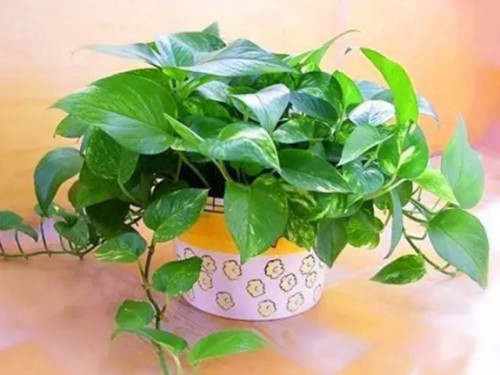
What causes root rot in pothos? An analysis of common causes
Pothos is called the easiest plant to grow by plant lovers. When it comes to hydroponic flowers, pothos is probably the first thing everyone thinks of, because pothos can be grown not only in soil but also in water, and pothos has always been called the easiest plant to grow by plant lovers. However, some plant lovers still run into root rot in pothos, so what should be done about pothos root rot
-
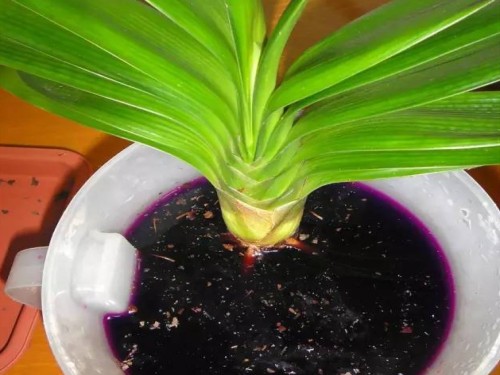
What to Do If a Potted Clivia Miniata (Kaffir Lily) Has Root Rot? Causes and Treatment Methods
Clivia miniata has bright, vivid flowers and high ornamental value, but growing it is not so easy and requires solid cultivation skills. Root rot in Clivia miniata can occur in all four seasons, but it is most common in summer. If you are even slightly careless about controlling water, the roots rot easily, and losing the plant is a great pity. Do not lose heart.
-
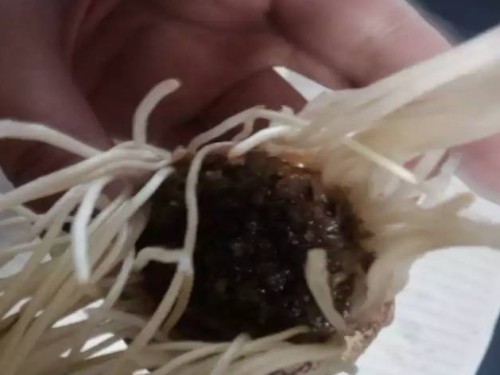
What to Do About Root Rot in Hydroponic Plants? Cause Analysis and Treatment Methods
Anyone who loves growing green plants knows that hydroponic plants are generally easier to grow than soil-grown plants. However, if they are not properly cared for, hydroponic plants are also very prone to root rot. So-called root rot means the plant's roots turn yellow, black, and soft; when you gently pull at the base of the root with your hand, the outer skin peels off very easily, leaving only the woody part.
-
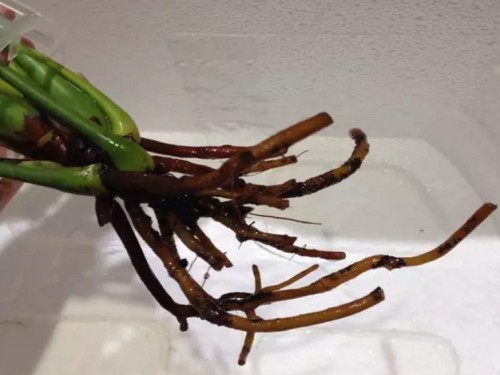
What to Do About Root Rot in Hydroponic Anthuriums? Causes and Solutions
The key to growing Anthurium in water is ensuring healthy root growth. Anthuriums have aerial roots and need plenty of oxygen, but the oxygen in water is far less than in soil, and many factors can cause root rot. Below, we introduce ways to prevent root rot in hydroponic Anthuriums! Hydroponic plants often grow less vigorously than soil-grown ones.
-
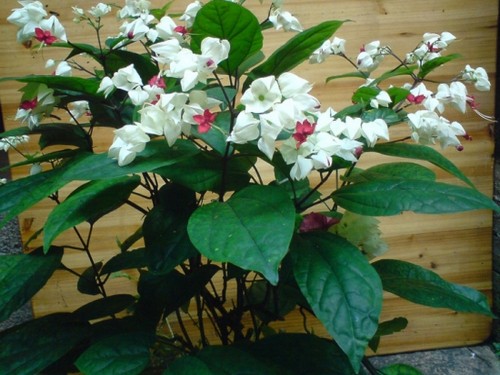
How to Grow Bleeding Heart Vine (Clerodendrum thomsoniae) as a Household Potted Plant
Bleeding heart vine belongs to the Verbenaceae family as a perennial plant, native to West Africa, and is a potted climbing flowering plant. During the growing period it needs plenty of water, and in each flowering season it should be fertilized once every 7-10 days. To grow a perfect potted bleeding heart vine, during the growing period the height of the branches must be strictly controlled, and the branch parts should be pruned and cut back
-

What to do when periwinkle leaves turn yellow? Causes and solutions for potted plants
Periwinkle (Catharanthus roseus) is best grown in fertile, well-drained soil. It is a light-loving plant and must have plenty of sunlight during the growing season. It prefers a warm, slightly dry, sunny environment. When fertilizing, you can apply a compound fertilizer and a liquid fertilizer alternately once every ten days. It dislikes wet conditions and is afraid of waterlogging, so the potting soil should not be watered too much. The plant itself is toxic
-
Which tree stumps on the mountain can be used to make bonsai?
Bonsai is one of the traditional arts originating in our country. It generally uses plants and rocks as basic materials, and is an art work applied in flower pots as a natural landscape for people to appreciate. Because different bonsai often have different modeling effects, their expression techniques and artistic presentation forms are also different.
-
Program-controlled micro-sprinkler technology for greenhouse cultivation of edible fungi and preservation methods
Greenhouse cultivation of edible fungi uses program-controlled micro-sprinkler technology
-
For topdressing in greenhouse cultivation of edible fungi, micro-sprinkler irrigation technology is preferable
For greenhouse cultivation of edible fungi, micro-sprinkler irrigation technology is preferable
-
Analysis of High-Yield Cultivation Techniques for Edible Fungi and Key Points for the Correct Use of Nutrient Solutions
Key Points for the Correct Use of Nutrient Solutions for Edible Fungi
条件筛选