-
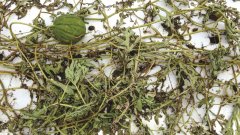
The middle section of the flower stem turns black and withers - it is black rot, what medicine can cure it
People who grow cucurbit plants all know that this kind of plant is prone to a disease, that is, the middle section of the flower stem turns black and withers along with fruit rot, and this disease is called gummy stem blight, also known as black rot. Geographic range: worldwide, but most common in temperate and tropical regions with higher rainfall and in greenhouses.
-
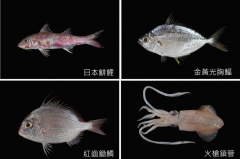
High marine biodiversity in the waters off Changhua, Taiwan, China; seaweed vessel research promotes fishery transformation
In 2020, Taiwan, China will complete the construction of 2 offshore demonstration wind farms in Changhua and 1 in Miaoli. In the past, the overlap between wind farm siting and the operating areas of capture fisheries along the western coast raised concerns among fishermen. In 107 (2018), the Council of Agriculture commissioned the Fisheries Research Institute to conduct
-
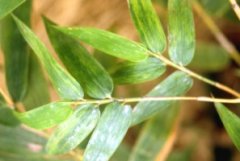
What diseases occur during the cultivation period of green bamboo? Analysis of mosaic disease symptoms and ecological impact
During the cultivation and management period of green bamboo, bamboo bugs, long-horned stink bugs, bamboo leaf roller caterpillars, bamboo leaf aphids, bamboo stem aphids, wireworms and Taiwan giant weevils are the main insect pests, while the diseases include mosaic disease, bacterial wilt, rust disease and sooty mold, among which bamboo mosaic disease
-
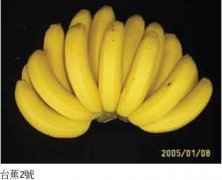
Introduction to the Growth Habits and Yellow Leaf Disease Resistance of the Taiwan Banana Variety Tai Chiao No. 2
The banana cultivars currently grown in this province are mainly the North Banana and Hsien Jen Banana of the Cavendish group, both of which are medium to tall types, making management and harvesting difficult. They also frequently suffer losses from wind damage. The Barbados Dwarf Banana is a short, sturdy plant that offers advantages such as reducing wind damage losses, lowering labor requirements, and improving banana plantation management efficiency.
-

What farm work is there to do in summer? An overview of summer farm work
Summer is the second season of the four seasons, the climate is relatively hot, and few crops are planted, but due to climate differences from place to place, in some areas there is still farm work to be done, so what farm work is there to do in summer? 1. What farm work is there to do in summer? In northern regions
-
Is seaweed the same as wakame? What is the difference between the two
Seaweed is a relatively common food from the sea. Many people think seaweed is wakame. Is that actually the case? Is seaweed wakame? Let us take a look below. 1. Is seaweed wakame? Seaweed is the general term for marine algae such as kelp, nori, wakame, and agar weed.
-
Key Points on Planting and Management Techniques for the Four-Season Pine
Summary Propagation methods: The Four-Season Pine can be propagated using seedlings, or sown in early spring. Light: The Four-Season Pine is hardy against severe cold and resistant to drought, so it can be kept outdoors in a sunny spot year-round, with appropriate shading in summer. Watering: It prefers dry conditions; water thoroughly once the soil has dried out completely.
-
How to grow white snowflower? Watering frequency differs across the four seasons, fertilizing promotes flowering
Summary Soil: White snowflower is suitable for growing in a mixed soil of garden soil, leaf mold and coarse sand. Light and temperature: White snowflower loves sunlight, and its suitable growing temperature is 18-25°C, but it needs appropriate shading in summer. Watering: In summer, water once each morning and evening; in spring and autumn
-
Cymbidium sinense cultivation methods and growing techniques: watering varies with the seasons, pay attention to overwintering
Abstract: Cymbidium sinense likes a warm and humid environment, and the ambient temperature is best kept at 20-28°C. It dislikes direct sunlight and waterlogging in the pot. Fertilizer should be applied lightly rather than heavily. In cold winter weather, it needs to be moved indoors or a plastic shed should be built to help it overwinter. The watering method
-
Cymbidium sinense growing methods and watering techniques: fertilize lightly, avoid strong doses, and adjust watering according to the season
Summary Growing methods: Cymbidium sinense prefers a warm, humid and well-ventilated environment, avoids direct sunlight and water accumulation in the pot. The most suitable growing temperature is 20-28°C. In winter it can be moved indoors or a plastic shed can be built to help it overwinter. Fertilizing should be light rather than strong, from late spring to late autumn
条件筛选