-
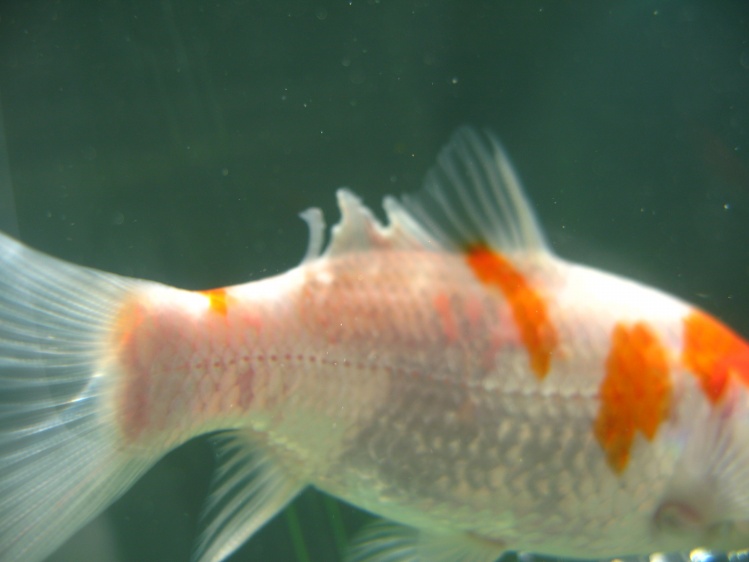
How to Keep Koi Fish? Common Breeding Mistakes and a Complete Guide to the Causes and Prevention of Tail Rot Disease
Koi Tail Rot Disease and Hole-in-the-Head Disease. The disease is contracted through skin infection after the tail fin is injured. Symptoms: In the early stage of the disease, there is a yellow or yellowish-white viscous substance on the outer edge of the fin and the caudal peduncle; then the tail fin and caudal peduncle become congested, inflamed and ulcerated. In severe cases, the tail fin rots away, and the ulcerated area...
-
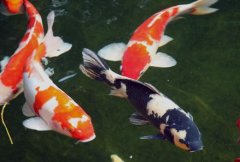
Koi breeding technology: autumn is the season for a common koi disease - skin congestion disease
This disease is usually caused by insufficient light, poor water quality, or repeated stimulation from new water. It is especially obvious during the rainy season and in seasons with variable temperatures. Skin congestion disease in goldfish is usually caused by Gyrodactylus, fish lice, and Lernaea cyprinacea. After Gyrodactylus parasitizes, the body surface mucus of the diseased fish...
-
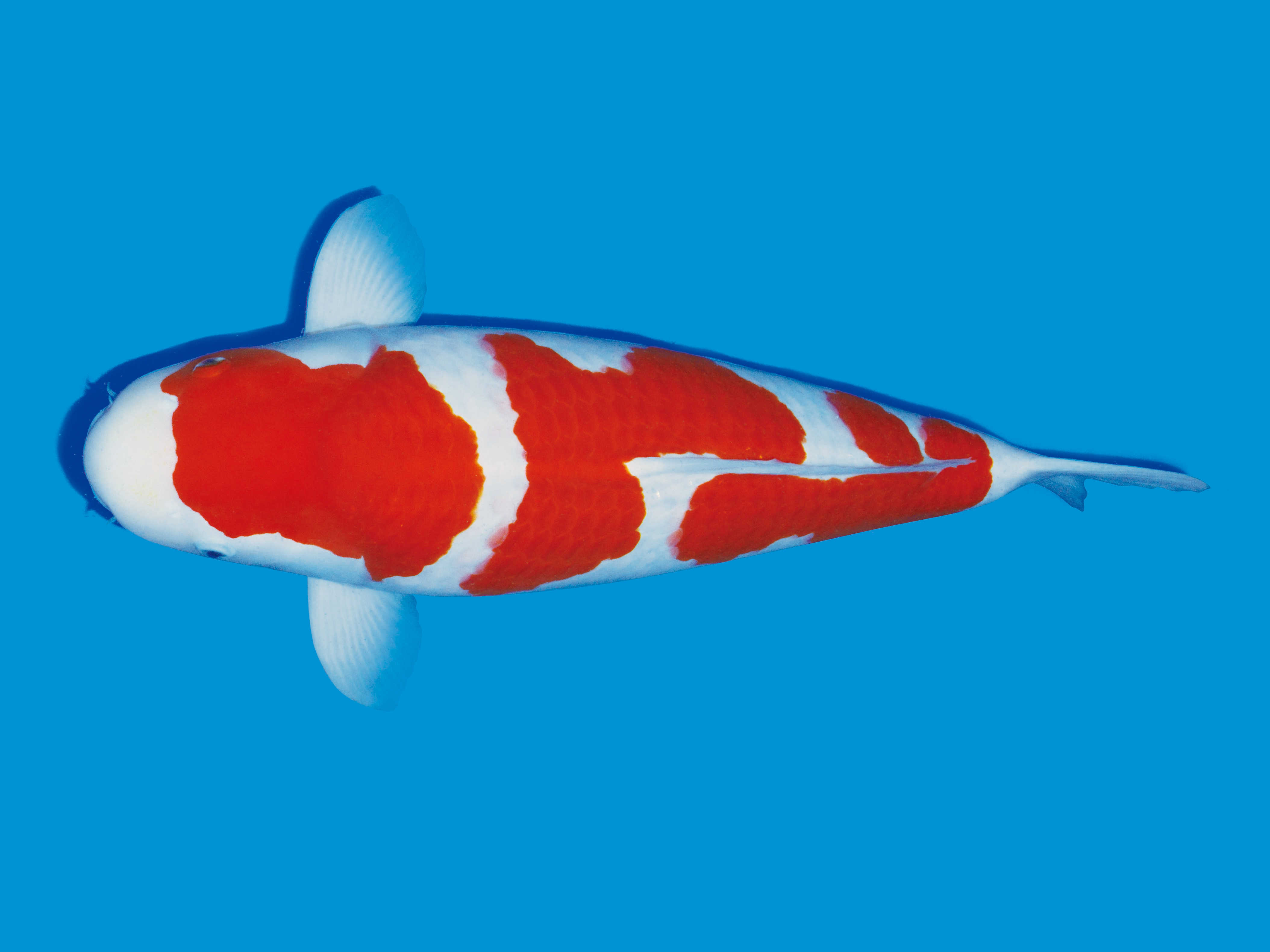
Koi Lying at the Bottom of the Tank with Suspected Red Worm Parasite Disease: Prevention and Treatment Methods
Red worms, also known as Philometra, are called red worms because their bodies are slender and bright red. The koi disease caused by red worms is called red worm disease. Red worms can be divided into two types: the carp red worm and the crucian carp red worm. The following mainly introduces the characteristics of carp red worm disease: carp red...
-
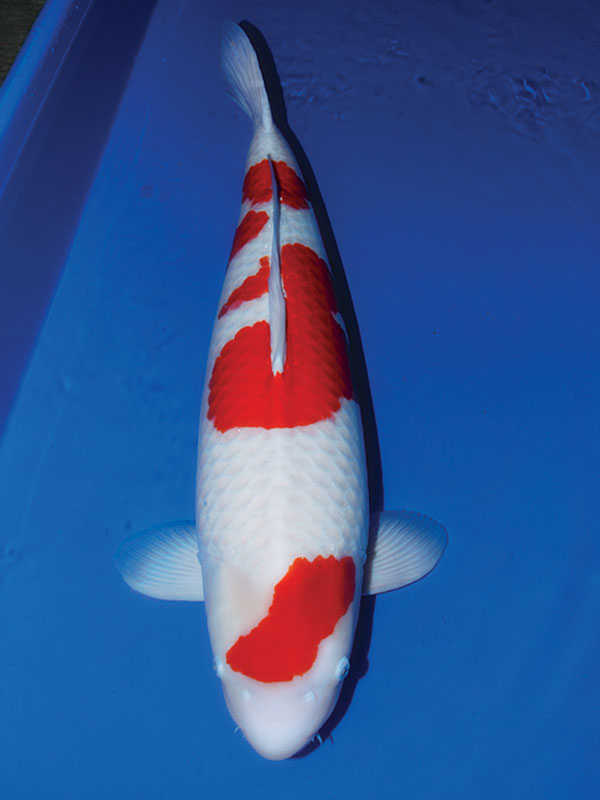
Koi lying at the bottom of the tank? Or is it a skin and scale disease like red-skin disease?
Red-skin disease is also called hemorrhagic putrefaction disease, red-skin plague, scale-erosion plague, or fin-rot disease. Symptoms: the diseased fish's scales fall off (which distinguishes it from skin inflammation and congestion disease), especially obvious on both sides and the belly. The diseased fish's skin is locally or largely inflamed and congested, and the bases of the fin rays of the dorsal fin, caudal fin, and other fins...
-
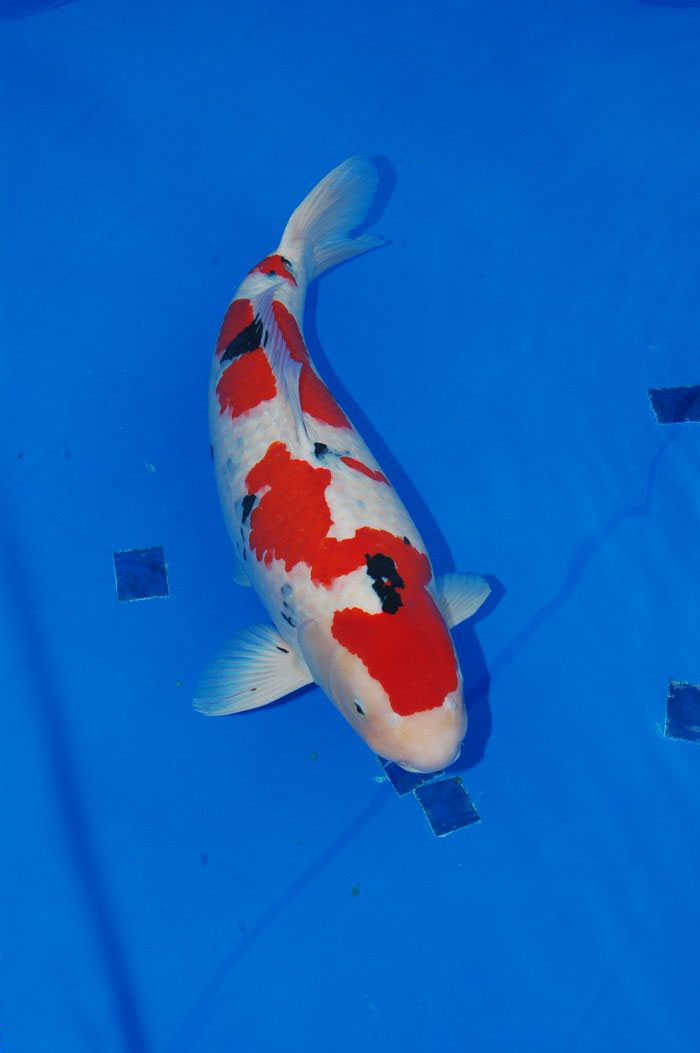
Koi fish farming: pay attention to the growth environment of Ichthyobodo and the prevention and treatment of parasitic diseases
Below we introduce the growth environment of Ichthyobodo, so that we can gain a deeper understanding of its characteristics. Ichthyobodo has extremely strong adaptability to the environment, and its main suitable water temperature is 12-20°C. The victims of Ichthyobodo disease outbreaks are mostly young fish; the younger the juvenile...
条件筛选