-
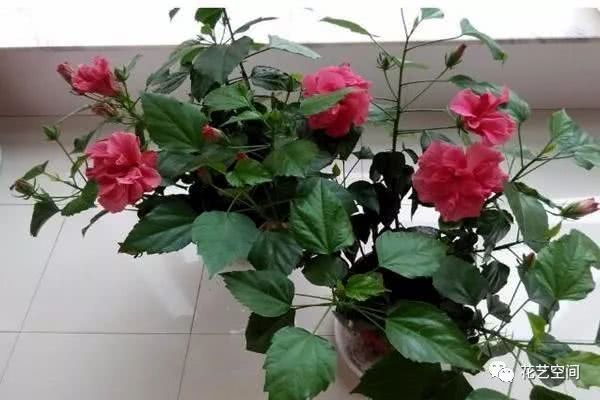
This flower is just right for growing in summer, blooms all year round with bright and festive colors, and survives from a single cutting
Summer has arrived, and the weather is getting hotter and hotter, but many friends still like to keep a potted green plant indoors to add charm to life, make the environment more beautiful, increase air humidity, lower the surrounding temperature, and make the living environment more comfortable....
-
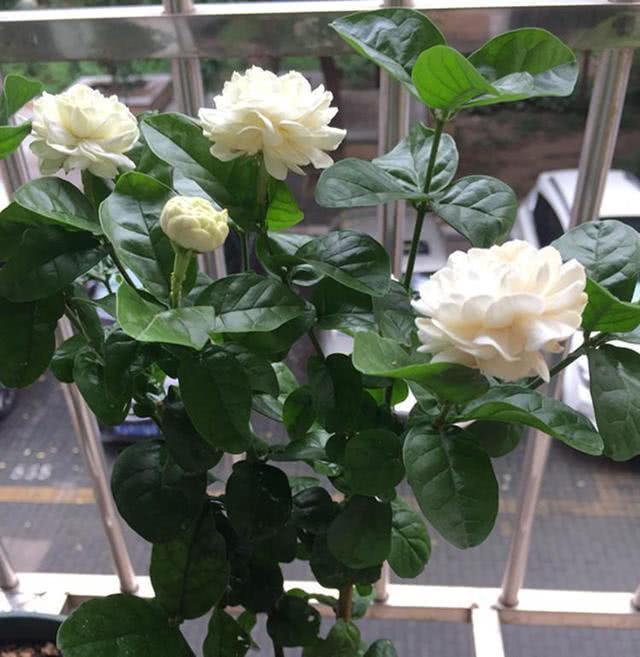
Growing jasmine during the dog days of summer: remember the three "don'ts" of watering - no yellow leaves, no root rot, and blooms year after year
Jasmine is a flower that many gardening enthusiasts rather like, so they often keep a pot of it at home. But when growing jasmine, problems often arise, such as yellow leaves and root rot. Besides these problems, there is also...
-
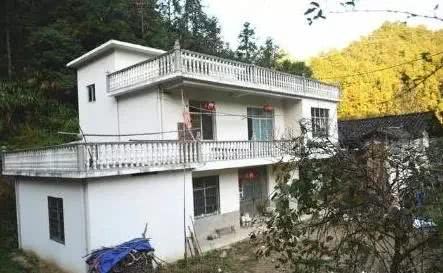
Cool down your roof this way, and the indoor temperature will drop several degrees in the scorching summer
It's the dog days of summer again. In the countryside, without turning on the air conditioner, you just sit in the house sweating nonstop. My mother is a frugal person; she turns it on for a while during lunch and dinner, and the rest of the time she hands us several children a big palm-leaf fan. When there's nothing to do...
-
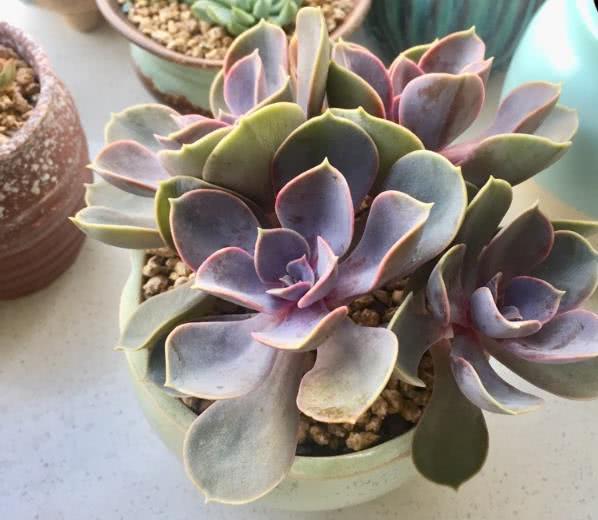
Watering succulents in summer is very important; learn these tips for easy care
A gardening friend asked: how is it best to water succulents in summer? It depends on how much soil is in your succulent's pot. If you grow it in a very small pot, then water once every three days, because there is little soil and moisture is lost quickly. If you use a relatively...
-
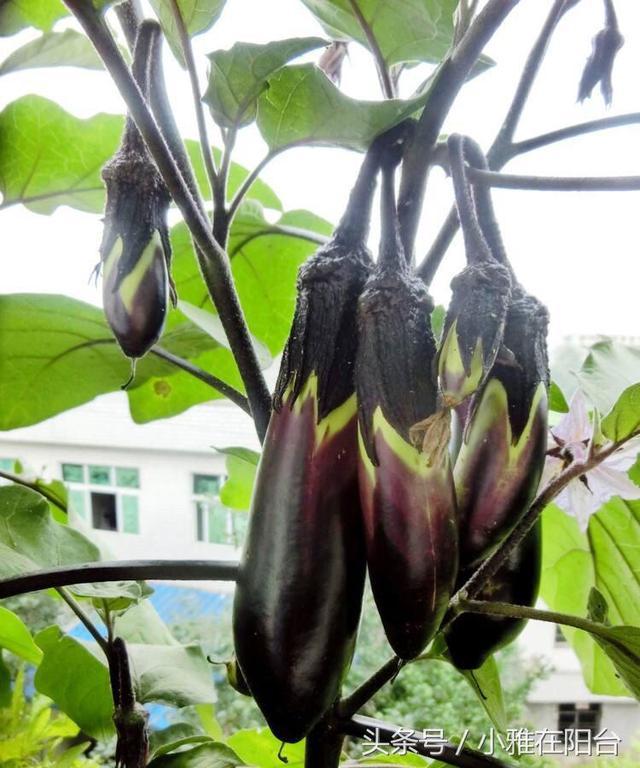
A little trick for growing eggplants on the balcony: in summer the fruits weigh the branches down
On a balcony you can grow not only flowers but also vegetables. Many vegetable growers have grown many pots of vegetables on their own balconies: chili peppers, cucumbers, tomatoes, cabbage, and so on. Eggplants can also be grown on a balcony. When growing eggplants on a balcony, after transplanting you should...
-

Key Technical Points and Detailed Methods for Topdressing Summer Corn
Topdressing Techniques for Summer Corn
-
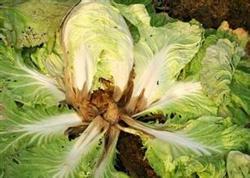
How to grow Chinese cabbage in summer? Detailed explanation of key cultivation techniques
Symptoms of Chinese cabbage soft rot: 1. This disease mainly occurs after the cabbage heads form. It generally invades through wounds at the base of the leaf stalks, forming a water-soaked infected area, which then gradually expands and turns pale grayish-brown, with the tissue becoming slimy, soft and rotted, accompanied by a foul odor, known as "rotten gourd" or "rotten lump." The diseased part can...
-
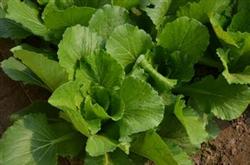
Detailed Explanation of High-Yield Cultivation Techniques for Chinese Cabbage in Summer and Autumn
In summer, temperatures are high and pests and diseases occur severely, making the cultivation of pak choi difficult, so field management should be strengthened. Thinning and weeding: carry out the first thinning when the seedlings begin to form a "cross" shape; it should be done early rather than late, thinning out overly dense small seedlings. Carry out the second thinning when the seedlings have 4 true leaves, removing weak and diseased seedlings, and at the same time, in line with market conditions...
-
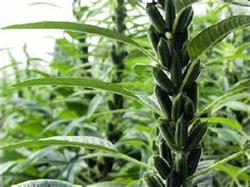
Four key steps to ensure a high yield of black sesame in summer
First, thin and finalize the seedlings in time, and check for and fill gaps: because sesame seeds are small and germinate in large numbers, the seedlings should be thinned when the first pair of true leaves appears after emergence; they should be thinned again when 2 to 3 pairs of true leaves have grown, and finalized at 4 pairs of true leaves, generally leaving about 8000 plants per mu; if poor soil moisture at sowing causes missing plants and broken rows, transplanting from dense areas to sparse ones or sowing after sprouting can be used to ensure...
-
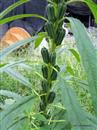
What are the key points of fertilization techniques for summer sesame?
Dense-pod sesame Yizhi No. 1 is one of the higher-yielding types of sesame today, drought-tolerant, lodging-resistant, with very dense pod set, 3 to 7 capsules per leaf, layered thickly one upon another, so dense the stalks cannot be seen, seeds pure white, oil content above 55%, growth period 110 days for spring sowing and 85 to 90 days for summer sowing, yielding 100 kg to 150 kg of sesame per 667 sq m, with high yields...
条件筛选