-
-

In summer, potted plants get ants, flying insects, and aphids; sprinkle a little of this in the pot and it works better than pesticide
When summer comes, there are lots of insects, and if you grow flowers and plants at home, there are even more! When you close your eyes and prepare to take a breath of fresh air from nature,...
-
What are the methods for controlling aphids on flowers in spring and summer?
How do you control aphids on flowers in spring and summer? Please explain the methods. Many aphids, every year in the spring and summer period, like to gather densely on the young leaves, young shoots, young stems, buds, flower buds and corollas of Chinese roses, chrysanthemums, hibiscus and so on, causing damage. They use piercing-sucking mouthparts to absorb large amounts of sap from plant tissues, causing a lack of nutrients in the flowers, making the roots, stems, leaves, flowers and flower buds of the affected parts grow slowly or stop growing, and in severe cases causing the whole plant to wither or die.
-

What are the precautions for pesticide use in summer?
What issues should be noted when using pesticides in summer?
-
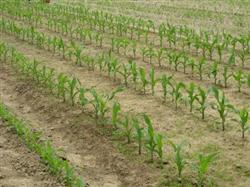
How to control weeds during summer corn cultivation?
How to control weeds when planting summer corn? Please explain the methods. When planting summer corn, you can refer to the following two methods for weed control: The "seal-and-kill" weed control technique involves a "seal-and-kill" treatment before corn emergence after sowing, that is, using a soil-sealing herbicide in combination with a non-selective herbicide, so that a single application achieves both soil sealing and killing of visible weeds...
-
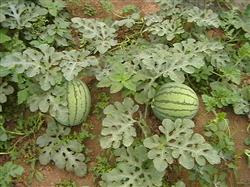
How to Cleverly Use Non-Selective Herbicides in Summer Sesame Fields
When watermelons are cultivated in greenhouses, small arched sheds and with plastic film mulch, the temperature and humidity conditions inside the protected area are suitable for weed growth, and manual weeding is inconvenient, resulting in vigorous weed growth and severe damage. Few herbicide products are registered for use in watermelon fields in China, and many farmers misuse herbicides in watermelon fields, leading to poor weed control results...
-
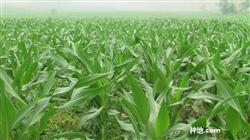
How to correctly use herbicides on corn in summer?
How should herbicides be used on corn in summer? Please provide guidance. The growth period of summer corn is from June to September, which coincides with the high-temperature and rainy season, favoring the occurrence and damage of field weeds. Once the proper control period is missed, it is very easy for weeds to run wild, seriously affecting corn growth. Chemical weeding is an important measure for controlling weed damage in corn fields and increasing corn yield...
-
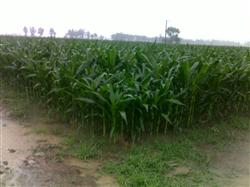
What are the precautions for chemical weed control in summer corn?
What should be noted for chemical weed control in summer corn? Please provide guidance. For chemical weed control in summer corn, you can refer to the following methods: match the herbicide to the weeds. The choice of herbicide should be determined by the weed species and the timing of application. For corn fields dominated by crabgrass, goosegrass, foxtail, lambsquarters, amaranth and smartweed, you can choose 40% acetochlor-atrazine suspension or...
-
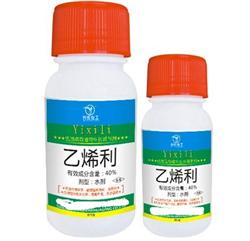
Why spray cucumber plants with ethephon in summer and autumn?
Why should cucumbers be sprayed with ethephon in summer and autumn? How do you spray cucumbers with ethephon? Experienced netizens are also asked to help explain, because the cucumber is a monoecious crop with unisexual flowers pollinated by cross-pollination, and the timing and number of female and male flowers appearing have a decisive impact on cucumber yield and economic returns. During the summer and autumn cucumber growth and development stage...
-
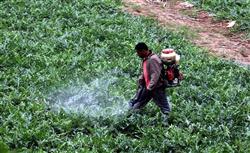
What is the best time to spray pesticides in summer?
When is the best time to spray pesticides in summer? Why should you not spray pesticides at noon in summer? Below, Gengzhongbang Planting Network gives a brief introduction for netizens' reference. When spraying pesticides in summer, whether for grain crops, vegetable crops, cash crops, or fruit trees, etc., the best time is around 8 to 10 a.m. and around 5 p.m...
条件筛选