Cool down your roof this way, and the indoor temperature will drop several degrees in the scorching summer
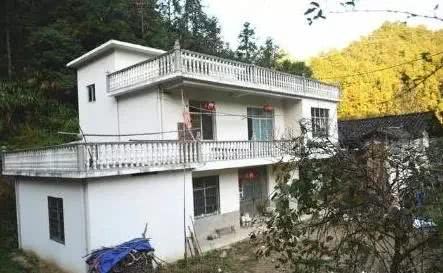
It's the dog days of summer again. In the countryside, without turning on the air conditioner, you just sit in the house sweating nonstop. My mother is a frugal person; she turns it on for a while during lunch and dinner, and the rest of the time she hands us several children a big palm-leaf fan. When I had nothing to do, I would ponder in the house how to treat the roof to cool things down. At the time, I thought it would be great if there were a big block of ice on the roof, but that was just a thought. The cost would be too high; it would be better to just use the air conditioner. After looking up information, Science for Agriculture brings you a summary of those clever roof-cooling tips.
As everyone knows, heat transferring from the roof into the house depends on three factors: the heat source (the sun), heat transfer (the medium from the roof to the interior), and heat dissipation (the heat the house loses). These are exactly the three methods we are summarizing today for lowering the indoor temperature. The first is reducing the roof's heat source, the second is blocking heat transfer from the roof into the house, and the third is increasing heat dissipation inside the house.
Reduce the roof's heat source. The first method we think of is the one commonly used in the countryside: covering the roof with reflective film.
This method has many options, and there are also many roof treatments on the market, such as tin foil and aluminum film. Prices vary greatly depending on the material used. The principle is to reflect sunlight back and reduce the heat source. The next method is adding a layer of solar panels or a skin layer. The currently popular solar power panel projects in the countryside can not only insulate against heat but also generate electricity. Excess electricity can be fed into the grid and sold to the state, and this method works not only for flat-roofed houses but also for sloped roofs.
The last method is to plant trees in front of the house. In the countryside, almost every household probably has one or two trees in front of the house, but for those without a big tree at home, if you plant one when you need it, you will still have to wait more than ten years before you can enjoy the shade under a big tree.
To block heat transfer from the roof into the house, first lay a layer of hollow bricks on the roof. At present, this method is used more often on the roofs of buildings. Laying hollow bricks on the roof is simple and convenient, requires little modification to the house, and can effectively insulate against heat. Second, grow melons, fruits, and vegetables on the roof. Fill flower pots with soil and plant green plants such as grapes and pumpkins, which can block heat from transferring into the house and also let you harvest melons, fruits, and vegetables, achieving two goals at once. Third, install a suspended ceiling inside the house so that there is an insulating space between the roof and the ceiling, which can also provide a certain degree of heat insulation.
Increase heat dissipation inside the house. Strengthen ventilation, sprinkle water inside the house, and increase the loss of indoor heat. In addition, growing green plants indoors is also an effective means of reducing heat.
If you want the room temperature not to be so high and at the same time do not want to turn on the air conditioner, then reducing the heat source, blocking heat transfer, and increasing heat loss, used at the same time, will achieve an effect more natural and comfortable than an air conditioner.
The above comes from Science for Agriculture. You are welcome to follow me!