Growing jasmine during the dog days of summer: remember the three "don'ts" of watering - no yellow leaves, no root rot, and blooms year after year
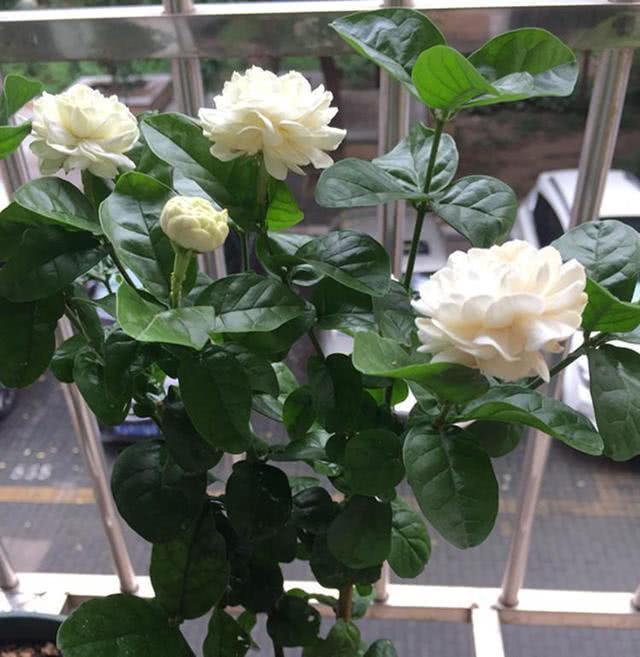
Jasmine is a flower that many gardening enthusiasts rather like, so they often keep a pot of it at home. But when growing jasmine, problems often arise, such as yellow leaves and root rot. Besides these problems, there is also the failure to bloom. So many people often say that growing jasmine is a very difficult thing. Actually, it is not that your method is wrong, it is just that in some areas you are not doing things quite right - for example, watering, where many people use the wrong method. Growing "jasmine" during the dog days of summer: learn the "three don'ts" of watering! No yellow leaves, no root rot, and blooms year after year.
Jasmine rather likes a hot and humid environment, so when growing jasmine, water becomes very crucial. Generally, when growing jasmine, you need to water frequently, and it is best to often spray a little water on the leaves, as this gives a slightly better effect. The air humidity is best kept between 75 and 85, as this gives a better effect on the growth of jasmine.
In summer, watering becomes very important. Because the temperature is relatively high, the number of waterings can be controlled at twice a day, and it is best to water in the morning and in the evening, when the temperature of the soil and the water are relatively close, so it will not cause great harm to the root system. But when watering, you should also pay attention to the "three don'ts", so that you get a better effect.
1. Do not water with "half water"
Generally, when watering jasmine, it is best to water thoroughly, not just water halfway and stop, as this causes relatively great harm to the root system, especially the lower roots, which are prone to dying. When watering, you can first fill the watering spout of the flowerpot to the brim, and when the water you poured in flows out from the bottom hole, you can stop watering, which shows that the water has been watered thoroughly.
2. Do not water excessively
Excessive water here means waterlogging, which is also a situation that often occurs when growing jasmine. When first growing jasmine, many people worry that the jasmine will lack water, so they often water it, even watering every day, and watering several times a day. After a long time, root rot occurs, causing great harm to the growth of the jasmine. Generally, when watering, you should still water only when the soil is dry and stop when it is moist, so that this situation can be well avoided.
3. Do not water with "raw water"
When growing jasmine, raw water should also be avoided as much as possible; raw water is freshly drawn tap water or well water. Because such water has a relatively low temperature, it forms a large temperature difference with the soil, causing great harm to the root system of the jasmine, which will hinder the growth of the jasmine. For this kind of water, it is best to let it sit for a few days before using it, so that this situation can be effectively avoided. This practice is what gardening enthusiasts often call "aging the water".
Besides the "three don'ts" of watering, if you want to grow jasmine better, when watering normally you can also spray a little water on the ground, so that the air humidity becomes more suitable for the growth of jasmine. If you want to grow jasmine well, you still need a few tricks, otherwise it is hard to see the jasmine bloom.
The images in this article all come from the internet. If there is any infringement, please contact us for removal, thank you!