-
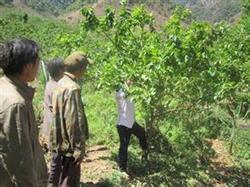
What are the key points to note for summer pruning of cherry trees?
Pinching new shoots: To promote flower bud differentiation and prevent excessive vegetative growth, the method of pinching new shoots should be adopted for control. That is, pinch the new shoots that have not stopped growing, and the pinching position is generally at the half-leaf mark; after pinching, growth stops for 10 to 15 days and then secondary shoots emerge, and when they grow to 15 to 20 cm, a second pinching is carried out, at...
-
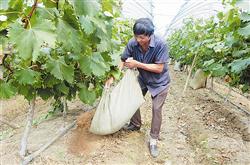
Detailed Guide to Key Grape Fruit Management Points in Summer
In July, grapes should be fertilized in a timely manner. Generally, one topdressing is applied at the early coloring stage of the fruit, mainly with phosphorus and potassium fertilizers. A sulfur-based ternary compound fertilizer can be chosen for soil application; foliar topdressing can also be used, with options such as a 0.5%-1% potassium dihydrogen phosphate solution sprayed 2-3 times consecutively. To improve the storability of grape berries, before harvest one can...
-
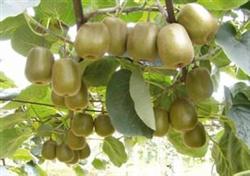
What are the key technical points for summer management of kiwifruit?
1. Preventing wilting. Kiwifruit leaves wilt during the high temperatures of summer, mainly for two reasons: first, high temperature and drought, mostly occurring between 12 noon and 4 pm on sunny days, recovering in the morning and evening, usually occurring over large areas. When this happens, irrigate promptly in the morning and evening, and the wilting will be relieved. Second, the root system suffers from root rot, root-knot nematode disease, etc., which damages root function and causes pathological wilting. It is most severe at noon and lasts a long time; in severe cases symptoms also appear in the morning and evening, and it tends to occur sporadically. Once discovered, dig down to check the roots. If it is indeed caused by pests or disease, appropriately prune branches and leaves, remove some or all of the fruit, and use agents such as Nongkang 120 and Junlimie for root drenching.
-
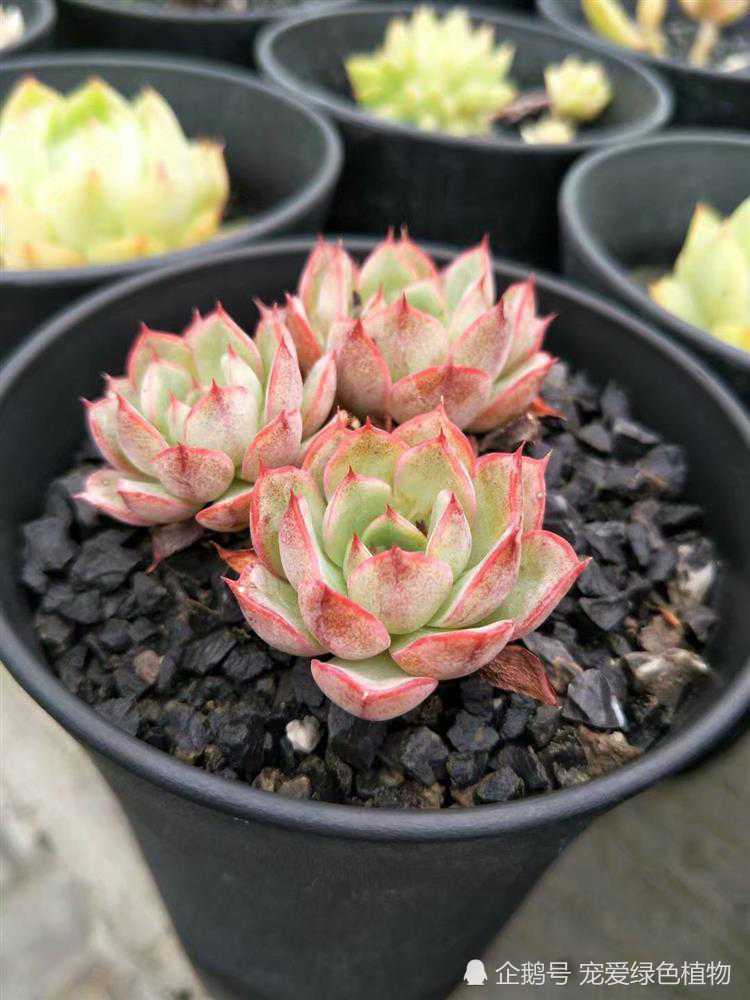
What to do when succulents get thin after summer? Learn this 1 trick to easily grow them back to plump and chubby
Succulents are "too thin" after summer. Learn this 1 trick to easily make succulents "plump and chubby"! Autumn has been here for a while now, and it is exactly the growing season for succulents. Succulents that successfully made it through summer have all begun to grow gradually. After summer...
-
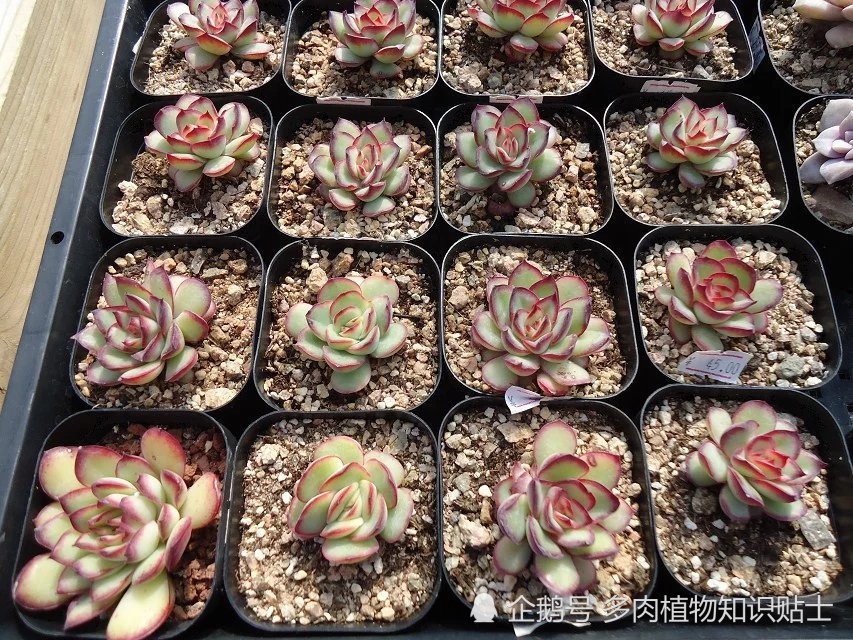
Strolling through a succulent greenhouse in early summer, I can't resist wanting to buy a few pots
Thanks to luanfeifei for the material, most of them are Sedum most of them are Sedum most of them are Sedum most of them are Sedum most of them are Sedum most of them are Sedum most of them are Sedum most of them are Sedum most of them are Sedum...
-
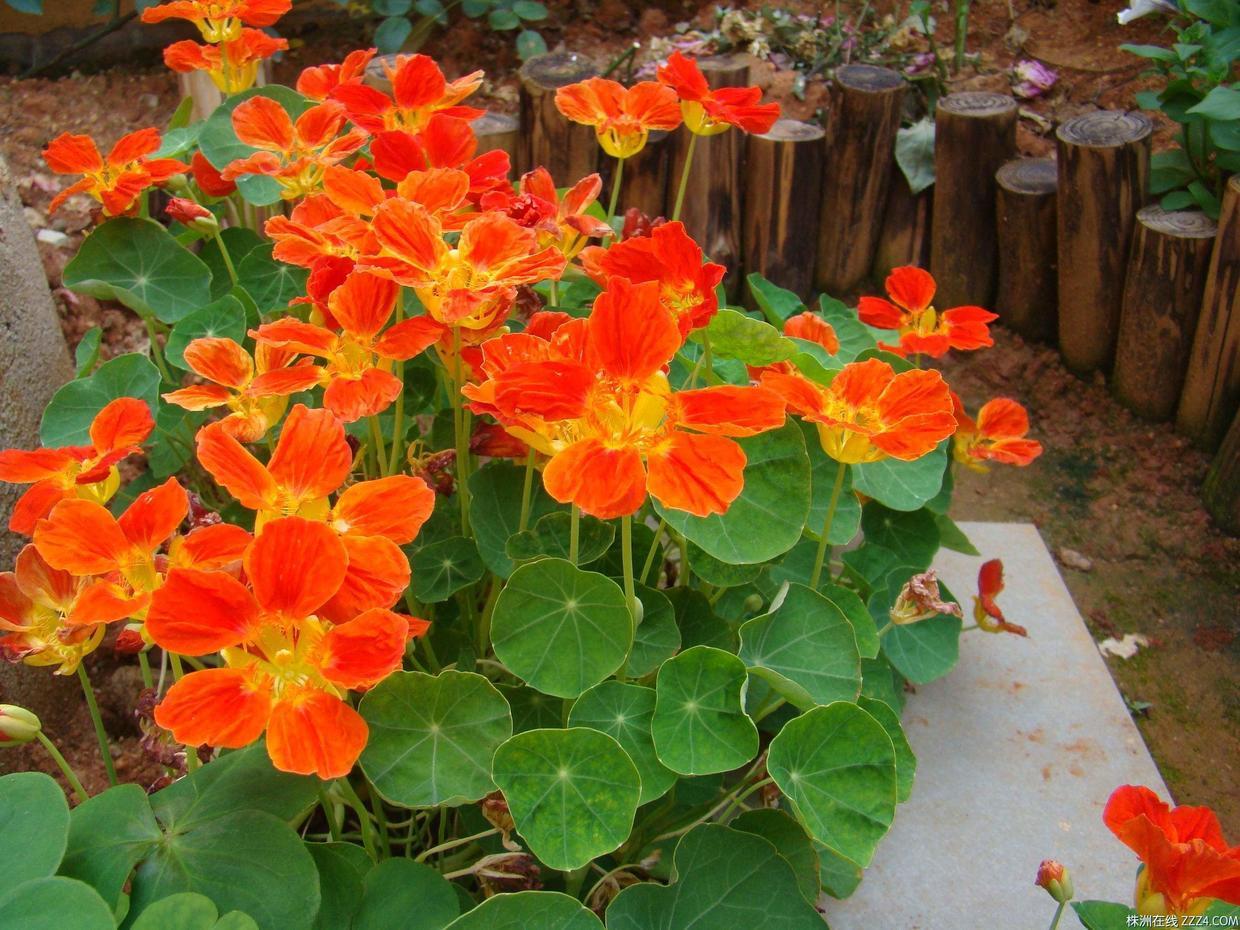
Don't plant nasturtiums in summer, or the leaves and flower buds may all wither and die before you know it
Every day I see everyone sharing their flower-growing experience and showing off their beautiful blooms in their friend circles, and Huahua is truly delighted that more and more people have fallen in love with growing flowers and with plants. Although the environment, light, watering, fertilizing, ...
-
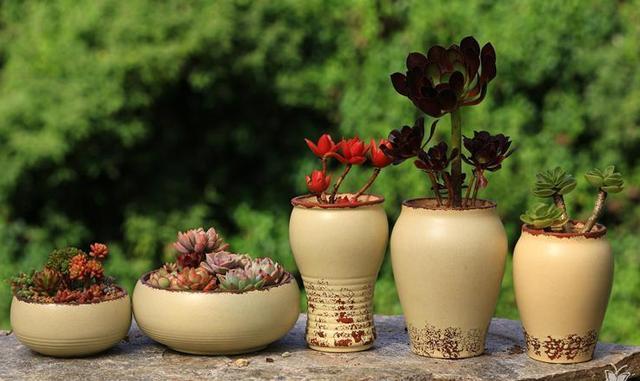
How to choose pots for succulents in summer? Avoid two types with poor breathability that easily smother succulents
The pot is very important, and today the editor will focus on how to choose and use pots. Summer has arrived, and a good pot is very important for the growth of succulents. Currently popular pots on the market include purple clay pots, red clay pots, ceramic pots (such as various soup bowls and teacups, and flowing-glaze pots), coarse pottery pots, and plastic pots (such as Wanxiang pots, small black square pots, root-control pots, and bottom-tray water-retaining pots).
-
High-Yield Cultivation Techniques for Cilantro with Shade Net Covering in Summer and Autumn
Cilantro prefers a cool climate and cannot tolerate high temperatures; it stops growing when the temperature exceeds 30°C. How can cilantro be grown well in summer? Summers are hot, so when growing cilantro, the first step is to choose good varieties, and heat-tolerant varieties that bolt late and grow quickly should be selected as much as possible, such as Beijing cilantro and North China Large Leaf. When planting, you also need to...
-
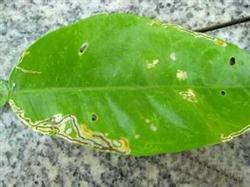
Key Technical Points for Pest and Disease Control in Citrus in Summer and Autumn
1. Whitefly: Both adults and larvae can harm citrus leaves and fruits, sucking sap with piercing-sucking mouthparts and secreting large amounts of honeydew that contaminates leaves and fruits, causing sooty mold. Because whitefly reproduces quickly, has many hosts, and spreads easily, large-scale coordinated control is needed to achieve good results. (1) Control timing: when...
-
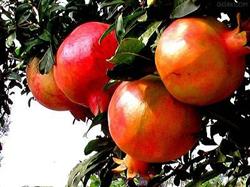
Key Points of Summer Cutting Propagation Techniques for Pomegranate
1. Site selection: Choose a place with flat terrain, convenient transportation, irrigation access, and shelter from the wind with good sun exposure. When establishing the orchard, avoid areas and orientations where the minimum winter temperature drops below 16°C, especially trough-shaped valleys and basins where cold air tends to accumulate. 2. Planting density: Pomegranate trees are generally 2-4 m tall, depending on different...
条件筛选