High-Yield Cultivation Techniques for Cilantro with Shade Net Covering in Summer and Autumn
Cilantro prefers a cool climate and cannot tolerate high temperatures; it stops growing when the temperature exceeds 30°C. How can cilantro be grown well in summer? Summers are hot, so when growing cilantro, the first step is to choose good varieties, and heat-tolerant varieties that bolt late and grow quickly should be selected as much as possible, such as Beijing cilantro and North China Large Leaf. When planting, you also need to...
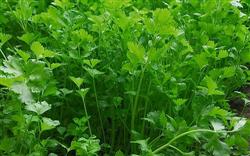 Cilantro, also known as coriander, fragrant coriander, and hu sui, is a 1-2 year vegetable of the Apiaceae family. It has a special fragrance, its seeds can be used to extract aromatic oil, and its tender leaves, leaf stalks, and tender stems are eaten by people. It is a seasoning vegetable that people enjoy eating. Cilantro prefers a cool climate and is cold-tolerant but not heat-tolerant, making it suitable for cultivation in spring and late autumn. In summer and autumn, temperatures are high and there is a lot of rain, so cultivation is difficult and yields are very low. Therefore, it is rarely cultivated in various places and the price is extremely high. Using shade net covering cultivation can effectively alleviate the adverse factors caused by high temperature and strong light, greatly improve the growing environment for cilantro, significantly increase yield, and raise economic returns, with yield per mu reaching 750-1000 kg.
I. Variety selection. Choose varieties with taller plants, a longer growth period, and high yield, such as Shandong Large Leaf cilantro.
II. Fine soil preparation and sufficient base fertilizer. Cilantro has thick roots and is suitable for loose, fertile soil. When preparing the soil, plow to a depth of 25 cm, and at the same time apply 4000-5000 kg of decomposed organic fertilizer per mu, rake level and fine, and make beds. The size of the beds depends on ease of operation and the plot.
III. Fine sowing to ensure full stands
1. Seed treatment before sowing: Cilantro seeds are schizocarps, so before sowing the seeds must first be rubbed apart. Because cilantro is a cool-loving crop, sowing in summer requires low-temperature seed soaking and germination promotion to facilitate emergence. Soak the seeds in clean water for 24 hours so they fully absorb water, then wash and drain them, put them into a wet cloth bag, place them in a refrigerator, and promote germination at 8-10°C for 5-7 days. Once 30% of the seeds have split and shown white, they can be sown. If conditions do not allow, the wet cloth bag can also be hung with a rope in a deep well 20-30 cm above the water surface, which can also achieve the purpose.
2. Sowing: Because cilantro seeds are relatively small, they can be mixed with fine sand and sown together. Before sowing, the beds should be watered sufficiently to ensure bottom moisture. Use about 1.5 kg of seed per mu. After sowing, cover the seeds with fine soil; the soil cover must not be too thick. Cover the bed surface with sparse rice straw. Generally, do not use green grass or other weeds, to avoid dense weed growth.
IV. Covering with shade net. Immediately after sowing, build a frame 80-100 cm high, and cover the frame with one layer of shade net. This can both shade and cool and prevent damage from heavy rain. During the covering period, there is no need to remove the net whether it is sunny, rainy, or continuously overcast.
V. Strengthen management during the growing period. After emergence, promptly remove the covering material from the bed surface. For fertilizer and water management at the seedling stage, the principle is not to water unless dry, water less in the early stage and more in the later stage. Fertilization should be mainly nitrogen fertilizer, and urea, clear manure water, and similar materials can be applied with irrigation. In addition, foliar fertilizer can be sprayed once every 7-10 days to promote growth and increase yield.
VI. Timely harvest. 30-40 days after emergence, when the plants are 15-20 cm tall, they can be thinned and harvested for market. After each harvest, fertilizer should be applied once.