-
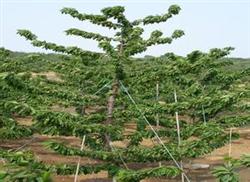
Cherry post-harvest management methods and key points of summer pruning techniques
Pinching new shoots: To promote flower bud differentiation and prevent excessive vegetative growth, the method of pinching new shoots should be adopted for control. That is, pinch the new shoots that have not stopped growing, and the pinching position is generally bounded by the half-leaf point; after pinching, growth stops for 10-15 days and then secondary shoots emerge, and when they grow to 15-20 cm, a second pinching is carried out,...
-

Practical watering tips for flowers during the summer-to-autumn transition
Fellow flower growers should know that watering flowers is actually a very important process, and especially during this transition period between summer and autumn, watering plants is even more of a key step. So the editor has put together some flower watering...
-
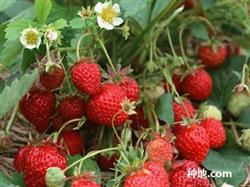
Detailed Explanation of Key Techniques for Keeping Strawberries Safe Through the Summer
How can strawberries be kept safe through the summer? Please advise. To keep strawberries safe through the summer, the following methods can be used: irrigate to retain moisture, shade to lower the temperature. Strawberry roots are relatively shallow and have weak drought resistance, and the leaf area is relatively large, so evaporation is vigorous. If the plants are not watered frequently to keep the soil moist, the stems and leaves can easily wilt and die. Therefore, when the ground surface turns white...
-
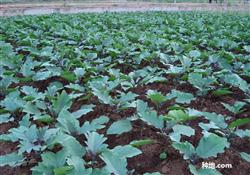
How to top-dress eggplant in summer? Mastering these methods is key
How to top-dress eggplant in summer? Here is some guidance: in summer, eggplant can be top-dressed like this (for reference): furrow application. Vegetable growers have become accustomed to applying chemical fertilizer with irrigation water, but this method is not suitable in the high-temperature summer season. Because the temperature is relatively high, when chemical fertilizer is applied with irrigation water, a large amount of ammonia volatilizes and reduces the effect....
-
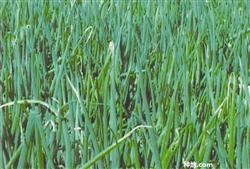
How to manage Welsh onions in summer? A full breakdown of the key techniques
How should Welsh onions be managed in summer? Please advise. Welsh onions prefer a cool, moist environment, with an optimum growing temperature of 15-25°C; above 26°C, growth becomes thin and slow, and above 30°C they enter a semi-dormant state. The first stage generally runs from planting the onions to the start of the dog days, a period when the temperature rises from 15°C to 25°C, which is relatively...
-
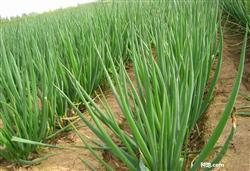
Management Methods for Welsh Onions During Hot and Rainy Summer Weather
How to manage Welsh onions during hot and rainy summer weather? Please advise, thank you. Promoting root growth in the early stage is the foundation. After Welsh onions are transplanted, when the soil temperature is relatively high, the physiological function of the root system is very weak, and the plants recover slowly from transplanting, so they should not be watered too much. When it is very dry, a small amount of water can be applied; when it rains, pay attention to drainage and waterlogging prevention, and promptly hoe and loosen the soil after rain, so as to drain moisture and improve aeration...
-

How to care for roses in summer? Master these care methods
Temperature: In summer, it is best to give it a growing environment of 15-26°C. When the temperature is above 30°C, shade treatment should be done well to avoid hindering growth. Watering: At this time, when the plant is blooming, pay attention to watering. Do not water too frequently. When the potting soil becomes dry, water thoroughly. Light: Do not place it in the sun for exposure. Receiving 3-5 hours of light each day is enough, and ensure air circulation.
-

How to care for Madagascar periwinkle in summer? Do these few things to get it safely through the summer
Light: When growing Madagascar periwinkle in summer, be careful to avoid direct strong sunlight at midday, and let it receive plenty of light in the morning and evening when the light is relatively weaker. Watering: In summer, transpiration is high and its demand for water is also greater, so it should be watered once every one to two days, and the leaves should be misted frequently, but remember that the potting soil must not become waterlogged.
-
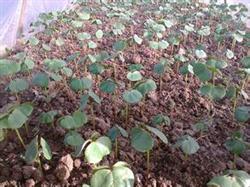
Method for Relay Intercropping Cotton with Spring Cauliflower and Summer Lettuce
The real culprit behind this headless cotton phenomenon is a pest called cotton thrips, which is the most serious pest damaging cotton fields, with tobacco thrips being the main species. The adults and nymphs of tobacco thrips are very small, difficult to see with the naked eye, and can only be seen on the underside of leaves with a magnifying glass. It damages cotton seedlings as adults or 1st and 2nd instar nymphs...
-
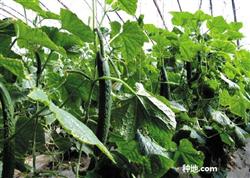
How to grow cucumbers in summer and autumn so they thrive
How can summer and autumn cucumbers be grown well? Please advise. In some places, spring cucumbers generally go out of season from late June to early-to-mid July, while summer and autumn cucumber cultivation exactly fills the market cucumber supply gap from mid-to-late July to early-to-mid December, so they are very popular with city residents, and vegetable growers also get relatively good economic returns. To grow summer and autumn cucumbers well,...
条件筛选