-
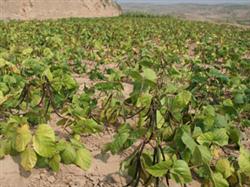
Key Technical Points for Direct Seeding Cultivation of Mung Bean in Summer
When mung bean seedlings reach the 2-leaf 1-heart stage, remove the clustered seedlings. Thin to final stand at the 4-leaf stage, with a plant spacing of 13 to 16 cm and a row spacing of about 40 cm, leaving 10,000 to 15,000 plants per mu; for late-sown fields, up to 20,000 plants per mu may be retained. From emergence to flowering and canopy closure, mung bean must be kept free of weeds through frequent cultivation and hoeing, generally no fewer than 4 times, with the depth of cultivation going from shallow...
-
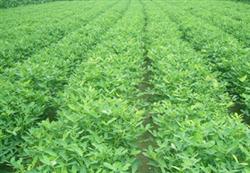
Key Technical Points and Fertilization Methods for Topdressing Summer Peanuts
Fertilization should follow the "two topdressings, one spray, four supplements" approach. Specifically: the two topdressings are, first, early topdressing before the peanut plants form a full cluster, with 10 kg urea, 15 kg diammonium phosphate and 10 kg potassium chloride; the second topdressing is at the early stage of young pod swelling, generally 10 kg urea per mu. The one spray is in the late growth stage, per mu...
-
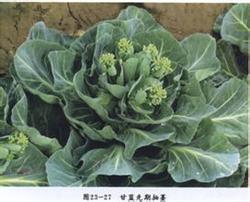
Detailed Explanation of Cabbage Seedling-Raising Techniques for Summer-Autumn and Overwintering
Late-sown overwintering cabbage cultivation is generally raised as seedlings in September and planted in November on late-crop plots such as cotton, rice, orchards or sweet potato land. It is harvested in mid-April. The income is generally 3000 yuan per mu. The returns are relatively good, and it is welcomed by many growers. From sowing to harvest, it passes through a long period of low temperature, and premature bolting is likely to occur...
-
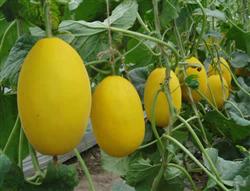
Pruning melon vines in summer requires care: mastering the correct method is key
Muskmelon and watermelon seedlings are sensitive to environmental conditions during the seedling stage. Therefore, when raising melon seedlings under protective cultivation in spring, corresponding measures must be taken according to the characteristics of climate change. 1. Prolonged overcast and low temperatures. Due to insufficient light, the photosynthetic capacity of melon seedlings is weak, nutrient absorption from fertilizer is poor, growth is slow, leaf color is pale, cotyledons easily fall off, and seedlings easily become stunted and...
-

Dad's favorite easy-care flower, he used to grow it when he was a kid, give it a little sunshine and it blooms all summer
Lately I've often been talking about flowers and plants around Dad. Dad is a country person and doesn't know many of the flowers in the city. He said, why don't you get me a simple flower too, and I'll grow it for you to see. Haha, I was really touched at the time. A simple flower, at the time...
-
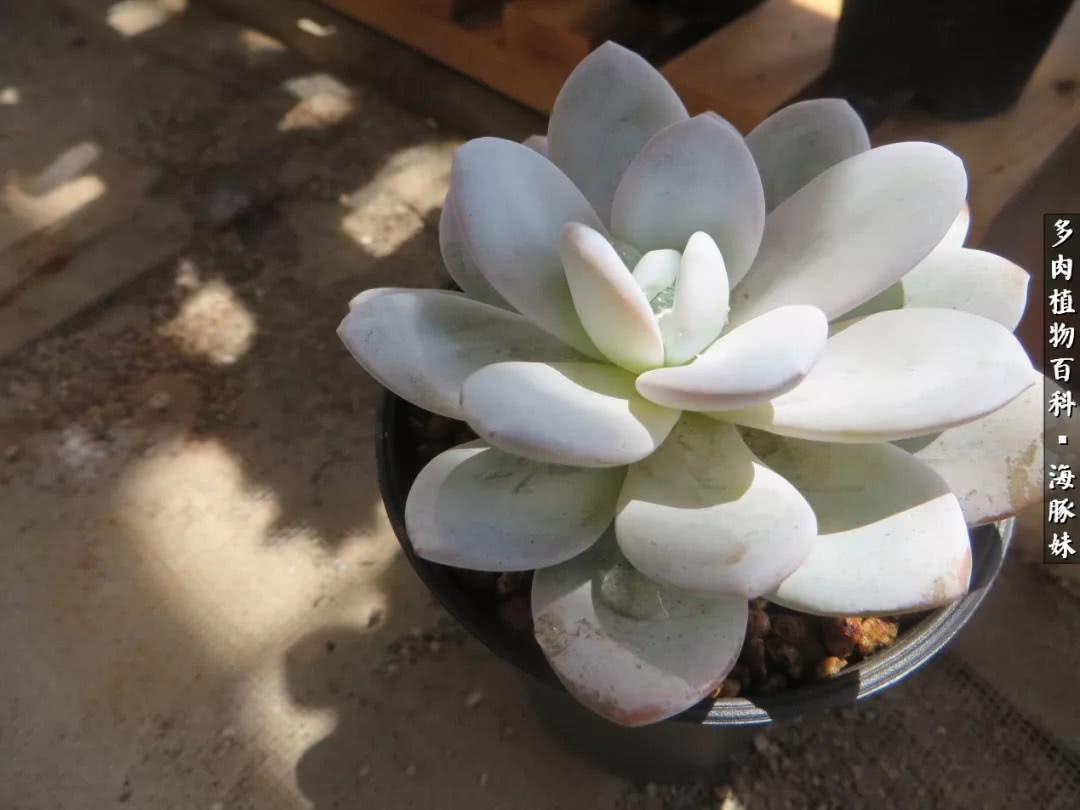
The 10 Best Succulents to Get in Summer, Easy to Grow and Highly Attractive
IntroFollow the Encyclopedia · Meet Beauty (WeChat ID: duoroubaike)Main text begins: Thanks to the author [Dolphin Girl] for the original contribution and sharingEdited and compiled by: Encyclopedia JunLocation: Baise, GuangxiFor succulents, summer can be a purgatory...
-
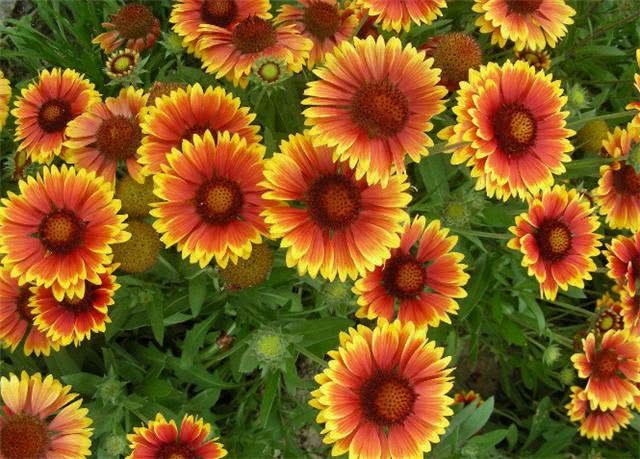
Growing flowers in summer: these flowers don't need shading, and it turns out I had been doing it wrong all along
Every kind of flower has its own growing habits. Some flowers like warm, humid environments, and some like damp environments. No matter what the plant is, the one thing it cannot do without is light, but flowers differ in their tolerance for light. Some flowers...
-
Technical key points for controlling the two-spotted field noctuid moth (Athetis lepigone) during the seedling stage of summer corn
The two-spotted field noctuid moth is a newly emerged pest in summer corn production areas in China. Returning wheat straw to the field provides an excellent environment for the two-spotted field noctuid moth to choose hidden, moist places for laying eggs and hatching. Once the larval peak period coincides with the corn seedling stage and suitable rainfall occurs, it may cause serious damage. The two-spotted field noctuid moth's...
-
Key technical points for ensuring full seedling emergence in a single sowing of summer maize
To achieve "full seedling emergence in a single sowing" of summer maize, in addition to selecting good-quality seeds, attention should also be paid to the following aspects: Do not sow too deep: the most suitable sowing depth for summer maize is 3-5 cm. If sown too deep, the lower temperature makes the seeds prone to rotting; even if they manage to emerge, because the seeds are buried too deep, the seeds...
-
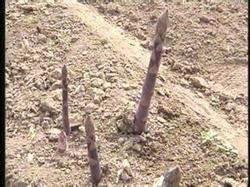
Detailed Explanation of Key Points for Summer Asparagus Cultivation Techniques
I. Asparagus stem rot (dieback) 1. Symptoms. This disease, also known as wilt disease, is a soil-borne disease. At first, individual plants in the field turn yellow and wilt; as the disease spreads, the entire plant dies. When young spears are infected, the cladodes and stems turn brown or split longitudinally. On diseased plants, brown lesions can appear on the underground stems and roots, and in the later stages the diseased parts rot, producing white to pink mold...
条件筛选