How to Tell Organic Fertilizer and Microbial Bacterial Fertilizer Apart? Here's a Trick to Identify Them
Plants | Floral Art | Gardening | Flower Fertilizers | Microbial Inoculants Plant Organic fertilizer and microbial bacterial fertilizer are both common flower fertilizers on the market, so what exactly is the difference between them? Here is a brief introduction for everyone! 1...
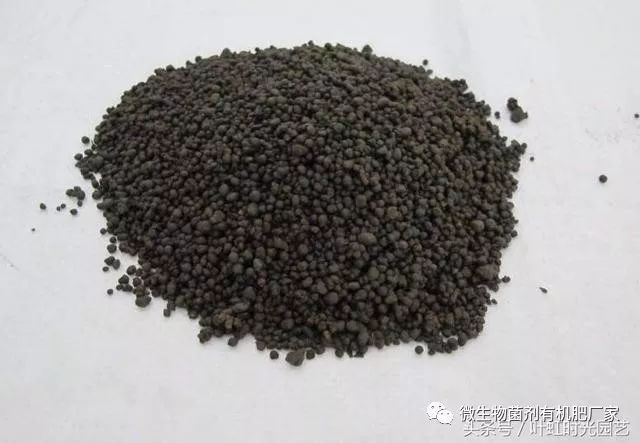
Plants | Floral Art | Gardening | Flower Fertilizers | Microbial Inoculants Plants
Organic fertilizer and microbial bacterial fertilizer are both common flower fertilizers on the market, so what exactly is the difference between them? Here is a brief introduction for everyone!
1. Overview and Characteristics
(1) Organic fertilizer
Commonly known as farmyard manure, it comes in a very rich variety of types, with common ones including compost, waterlogged manure, stable manure, green manure, cake fertilizer, mud fertilizer and so on.
After being applied to the soil, it can provide the various nutrients needed for flower growth, being not only rich in the various major elements required for plant growth, but also containing various secondary and trace elements; after decomposition, it can provide nutrients for soil microorganisms and accelerate the decomposition of soil organic matter; however, the nutrient release of organic flower fertilizer is too slow, and its nutrient content is also relatively low.
(2) Microbial bacterial fertilizer
Microbial bacterial fertilizer is a fertilizer preparation containing various highly active microorganisms with strong reproductive capacity, capable of decomposing and metabolizing various organic substances in the soil and improving soil fertility. Long-term use can degrade pollutants such as heavy metals in the soil, promote plant growth and development, reduce pests and diseases, enhance multiple resistances of flowers, and improve their ornamental quality.
2. Usage Precautions
(1) Organic fertilizer
Generally applied mainly as a base application and deep application, and can also be applied in furrows, in holes, or by broadcasting; pay attention to the amount, which should not be too much, otherwise it will cause root rot in plants; organic fertilizer must be fully decomposed before use, otherwise it contains many pathogenic bacteria and other microorganisms, which can easily lead to infection of plants once it enters the soil; it has many types of nutrients but low content, so it is suitable for use in combination with other flower fertilizers, and the amount used is relatively large.
(2) Microbial bacterial fertilizer
Generally applied mainly as a base application, applied mixed with seeds at sowing time or by the burial application method; excessive application will not cause any harm; the amount used is relatively small, and after application it needs to be watered thoroughly immediately, which is more conducive to the reproduction of the microorganisms in it; store it in a cool, dry place and do not pile it in the open air; it is forbidden to mix it with fungicides, urea and so on, otherwise it will cause the microorganisms in the bacterial preparation to become ineffective.
In summary, in the specific process of fertilizing, the two can be applied together in combination, which can both improve the soil and provide multiple nutrients for flower growth, reducing the use of chemical fertilizers and pesticides, green and pollution-free.
For more professional agricultural science and technology information, please scan the QR code to follow WeChat: NongXunNET

Please indicate the source when reprinting.